
RJW Electrical
Solar Panel Installation and Upgrades
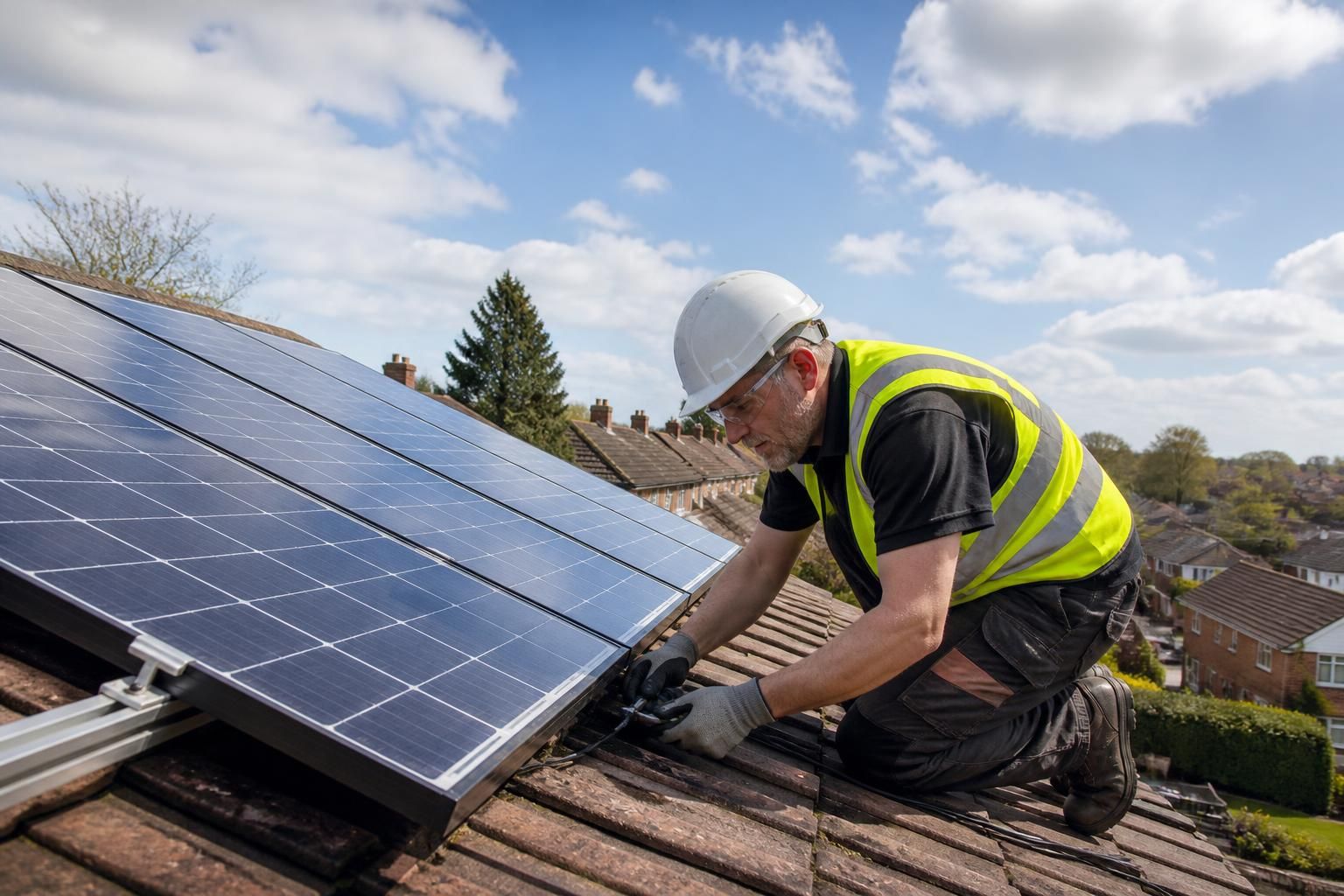
Solar panel installation involves electrical, structural and operational considerations that should be assessed before work proceeds. RJW Electrical helps domestic and commercial clients across the Midlands identify installation risks, upgrade requirements and the checks needed for a suitable, compliant system.
Solar Panel Installation and Upgrade Questions Answered
What should a solar panel installation risk assessment examine?
A solar panel installation risk assessment identifies electrical, structural, access, fire, and operational hazards before specification or installation, helping determine suitable controls, equipment, documentation, and testing requirements for the property.
When is a solar panel upgrade necessary?
An upgrade may be necessary when existing panels, inverters, batteries, cabling, protection, or controls no longer suit demand, show deterioration, lack capacity, or cannot support proposed additions safely and compliantly.
Can solar panels be added to an existing electrical installation?
Yes, provided the existing installation has suitable capacity, protective devices, earthing, cabling and isolation arrangements. A qualified assessment should confirm compatibility, structural provisions, commissioning, testing and required documentation before connection.
What testing is required after solar panel installation?
Post-installation testing should verify polarity, continuity, insulation resistance, protective-device operation, earthing, inverter function and system performance. Results, commissioning details and certificates should be recorded for future inspection and maintenance.
Which properties are suitable for solar panels?
Suitable properties typically have an unshaded roof or suitable ground area, adequate structural strength, accessible equipment locations, and electrical capacity for connection, subject to site-specific assessment, design and professional verification.
Qualified and Accredited Solar Panel Specialists
RJW Electrical’s solar work is supported by fully qualified, insured and DBS-checked engineers working to the 18th edition wiring regulations. Membership of NAPIT, TrustMark and the Electrical Safety Register provides recognised evidence of professional standards and attention to compliant electrical workmanship.
Domestic and commercial clients can also establish whether existing equipment needs a solar panel upgrade before proceeding.
Solar-Focused Electrical Expertise
With 20 years of electrical installation experience, RJW Electrical can assess the electrical requirements of a proposed solar panel system alongside the wider installation.
Careful Assessment Before Installation
Existing wiring, consumer units and related equipment can be reviewed to identify upgrade requirements before solar work begins.
Compliant Workmanship
Installation decisions are made with attention to safe integration, suitable equipment and the current requirements for electrical work.
Domestic and Commercial Capability
RJW Electrical supports solar-related electrical work for both domestic properties and commercial premises, adapting the assessment to the type and use of the building.
Established Midlands Contractor
As a Midlands-based electrical specialist, RJW Electrical brings established regional knowledge to solar panel installations and electrical upgrades.
No Call-Out Fee Quote
A quotation can be discussed without a call-out fee, giving you clear information to consider before deciding how to proceed.
What a Solar Panel Assessment and Upgrade Should Cover
A properly scoped solar panel installation risk assessment should examine the proposed array, electrical connections, isolation arrangements and existing equipment. The following service elements help clarify the checks, documentation and upgrade considerations included in a practical assessment.
Array and Roof Assessment
The proposed panel layout should be reviewed against the available roof area, orientation, shading and access requirements. This helps identify practical installation constraints before equipment or mounting arrangements are selected.
System Design and Energy Use
A suitable design considers expected electricity use alongside the intended panel capacity. For commercial and domestic properties, this supports a more informed decision about system size and how generated electricity may be used.
Electrical Compatibility
The existing electrical installation should be checked for compatibility with the proposed solar equipment. This can include the consumer unit, cabling, earthing and available capacity, with upgrades identified where the installation requires them.
Inverter and Battery Planning
Inverter location, battery provision and equipment access should be considered as part of the wider design. Planning these elements together can help avoid unsuitable positioning and allow future changes to be assessed clearly.
Protection and Isolation
Solar installations require clearly considered protective devices, isolation points and cable routes. These arrangements should be accessible, appropriately identified and assessed as part of the electrical safety plan.
Testing and Handover Information
Testing and inspection should be completed after installation or upgrade work, with relevant results and system information recorded. Clear documentation helps the property owner understand the installation and supports future electrical maintenance.
Questions to Ask Before Choosing a Solar Panel Installer
Before appointing a solar panel contractor, ask how the proposed system will suit your property, meet electrical requirements, be tested and documented. Clarify maintenance responsibilities, inclusions in the price and assumptions that could affect the final cost.
- 01
How will you assess my roof and site?
Ask whether the survey covers roof condition, available space, orientation, shading, access and any structural considerations. These factors affect whether the proposed solar panel layout is suitable for the property.
- 02
What electrical upgrades could be required?
Ask the contractor to inspect the existing consumer unit, earthing, cabling and connection point before quoting. Older or unsuitable equipment may need upgrading to support the installation safely and in line with current requirements.
- 03
Which regulations and approvals apply?
Confirm how the installation will comply with the current 18th edition wiring regulations and whether any building control, grid connection or other notifications are needed for the property.
- 04
What installation standards will be followed?
Ask how panels, mounting equipment, cabling, isolators and the inverter will be installed and protected. The contractor should explain how work on the roof and electrical system will be coordinated.
- 05
What testing will be completed?
Find out which electrical tests will be carried out after installation and whether the system will be checked under operating conditions. Ask for the results and confirmation that any defects have been addressed before handover.
- 06
Which documents will I receive?
Clarify whether the handover includes test certificates, electrical installation documentation, system information, operating instructions and details of any notifications or approvals relevant to the installation.
- 07
What is included in the total price?
Request a written quotation that identifies panels, mounting, inverter, cabling, access equipment, electrical upgrades, testing, certification and any remedial work. Ask which assumptions could lead to additional charges.
- 08
Who is responsible for aftercare?
Ask what routine checks, maintenance and fault reporting arrangements apply after completion. Clarify who to contact about the installation, what records should be retained and whether future electrical work could affect the system.
Discuss Your Solar Panel Requirements and Request a Tailored Quote
Discuss your proposed solar panel installation with RJW Electrical’s qualified, insured engineers. NAPIT membership and Trustmark registration support an accountable approach to assessment and upgrade work. Request a tailored quotation based on your property’s requirements and documented electrical considerations.
Explore