
RJW Electrical
Safe Plug and Socket Wiring
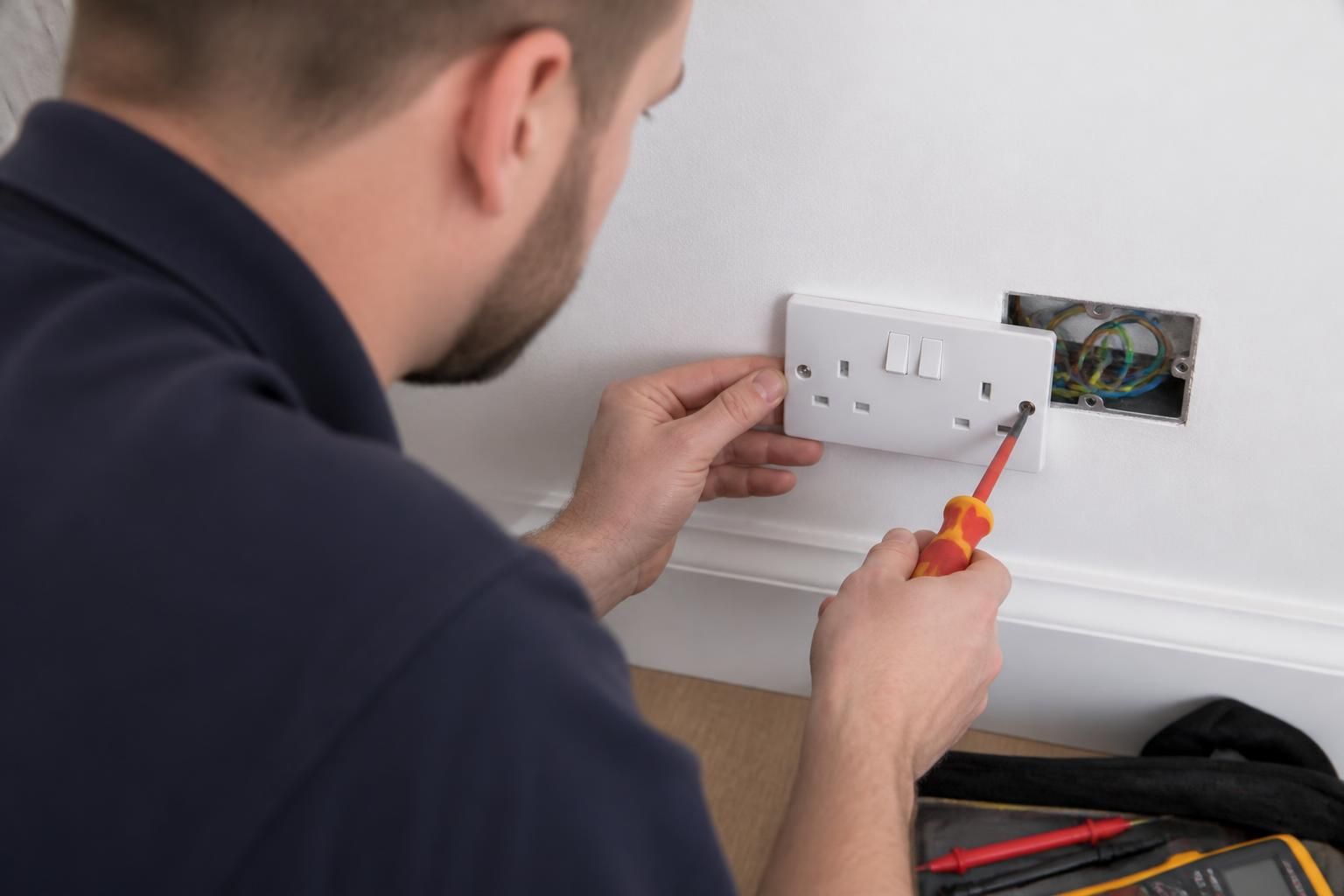
Plug and socket wiring covers the safe connection, replacement and testing of outlets and associated cables. RJW Electrical’s qualified electricians provide compliant domestic and commercial work across the Midlands. Contact the team to discuss your requirements and request a quote.
Clear Guidance
Expect dependable workmanship, clear communication, regulatory compliance, careful planning, and a straightforward route to the right plug or socket solution.
Plug and Socket Solutions for Your Property
Plug and socket wiring connects outlets to a circuit, allowing appliances to receive power. It can involve adding, moving or replacing a socket, while checking cable condition and suitability for the load.
Layout, socket position, double-socket configuration and equipment requirements determine a suitable arrangement. Testing can confirm whether connections are suitable, including those serving equipment with an LED strip plug.
Planned Around the Property
Socket wiring is considered in relation to the building’s layout, existing circuits, access and intended use, helping determine a suitable installation approach.
Additional or Relocated Sockets
New or repositioned sockets can be planned for rooms, work areas and equipment locations where the existing arrangement no longer meets practical needs.
Socket Replacement Work
Damaged, worn or unsuitable outlets can be replaced after checking the surrounding wiring and confirming that the replacement is appropriate for the circuit.
Circuit and Load Considerations
The wiring arrangement is matched to the equipment expected to use the outlet, with cable condition and circuit capacity considered before work proceeds.
Domestic and Commercial Applications
RJW Electrical provides plug and socket wiring for homes, offices, shops and other commercial premises, adapting the work to the property and its day-to-day requirements.
Checks After Installation
Completed work can be tested to check the connections and confirm that the installed socket arrangement is suitable for its intended use.
Technical Expertise for Domestic and Commercial Wiring
Each installation is assessed against the circuit’s intended load, existing cable condition and socket configuration. Engineers apply current wiring-regulation requirements, use appropriate testing procedures, and document relevant findings for domestic and commercial electrical work.
Qualified and Vetted Electricians
Work is carried out by fully qualified, insured and DBS-checked engineers, providing a suitable professional standard for plug and socket wiring in occupied properties and business premises.
Current Wiring-Regulation Knowledge
Engineers work to the latest 18th edition wiring requirements, considering the connection method, protective measures and condition of the existing installation before work begins.
Testing Matched to the Installation
Testing is selected according to the work undertaken and the circuit involved, helping identify issues such as poor connections, damaged cables or inadequate protective arrangements.
Recognised Electrical Standards
RJW Electrical is a NAPIT member and part of the TrustMark scheme and Electrical Safety Register, supporting a structured approach to electrical installation work.
Domestic and Commercial Capability
Plug and socket wiring can be planned around different property layouts, usage patterns and circuit demands, from household outlets to facilities used by staff, customers or tenants.
Plug and Socket Wiring: Common Questions
When should a double socket be replaced rather than repaired?
Provide the socket’s location, intended appliances, existing circuit details and any concerns about damage or overheating. An electrician can then assess the requirements, testing needs and recommend suitable installation options.
What is involved in wiring a new double socket?
A new double socket involves confirming circuit suitability, selecting a compliant accessory, routing or extending cables safely, securing connections, and completing inspection and testing before use by a qualified electrician.
Can an LED strip plug be used with a standard socket?
Usually, an LED strip plug can connect to a standard socket when its voltage, current rating and connector are compatible. Check the power supply label; seek qualified advice if uncertain.
How can you tell if a socket circuit needs rewiring?
Warning signs include repeated tripping, flickering, buzzing, overheating, burning smells, damaged insulation, loose connections or outdated accessories. Qualified inspection and electrical testing can identify concealed cable deterioration or inadequate protection.
Can I wire a plug socket myself?
DIY work can create shock, fire and compliance risks, particularly when identifying conductors or altering fixed wiring. For safety, use a qualified electrician to inspect, connect and test the socket.
Qualifications, Safety and Workmanship
Plug and socket wiring connects socket outlets to an electrical circuit so appliances can draw power safely. The work may involve tracing existing connections, checking polarity and earthing, securing conductors, or replacing a damaged outlet rather than simply fitting a new faceplate.
RJW Electrical’s insured, DBS-checked electricians work to the 18th edition wiring regulations and are members of NAPIT, TrustMark and the Electrical Safety Register. Customers receive clear explanations of the proposed work, careful installation and a no-call-out-fee quote before proceeding, where applicable.
Initial assessment and circuit checks
The assessment can include examining the socket enclosure, cable terminations, visible wiring, polarity, earthing and signs of heat or mechanical damage. The proposed work is matched to the circuit arrangement and expected load, with any relevant limitations explained before installation proceeds.
Safe isolation and controlled working
The relevant supply is identified and isolated before conductors are handled. Appropriate checks are carried out to confirm that the circuit is safe to work on, and exposed connections are protected while the plug or socket wiring is being inspected, repaired or replaced.
Testing after installation
Post-installation checks may include verifying polarity, continuity, earthing arrangements and the condition of the connection under test. Findings are recorded where relevant, and any issue that could affect safe use is explained clearly so the customer understands what has been identified.
Clear scope and finished workmanship
Cables and terminals are secured correctly, the socket is fitted squarely and the surrounding area is left in a suitable condition for use. If the inspection identifies work beyond the original requirement, that distinction is explained clearly so decisions can be made on the basis of the electrical condition rather than assumption.
A socket that is warm, cracked, loose, scorched or causing repeated tripping should not be treated as a simple faceplate problem. Stop using it and describe the symptoms, affected appliance and any recent changes to the circuit so the underlying fault can be investigated safely.
For planned work, noting the socket location and intended load helps establish whether the requirement is a replacement outlet, additional wiring or testing of the existing circuit. The recommended scope, any relevant limitations and the work involved can then be explained clearly before you decide how to proceed.
Discuss Your Plug and Socket Wiring Requirements
To discuss plug and socket wiring, provide your property type, socket location, existing symptoms and intended use. RJW Electrical can review these details with you, explain the appropriate next step and prepare a clear quotation.