

RJW Electrical
Electrical Construction Contractors
RJW Electrical delivers electrical construction contracts for commercial and domestic projects, covering installation, coordination, inspection and testing. Its project-focused approach supports compliant electrical work, clear handover information and a professional standard suitable for principal contractors, developers and property owners.
Why Qualified Electrical Contractors Add Long-Term Value
A qualified electrical construction contractor applies design information, installation standards and inspection requirements consistently across the project. Accreditation and appropriate insurance provide evidence of professional competence and a defined level of accountability, while properly documented work helps clients assess compliance before completion and retain usable records for future maintenance.
RJW Electrical’s NAPIT and Trustmark membership supports accountable workmanship and handover.
Qualified workmanship
Fully qualified engineers apply established installation methods and the latest 18th edition wiring regulations to produce work that can be assessed against recognised standards.
Insured contractor accountability
Appropriate insurance provides an important layer of protection for clients appointing a contractor to undertake electrical construction work.
Consistent project standards
A structured approach to installation helps maintain consistent workmanship across individual tasks, shared systems and wider construction projects.
Experience that informs decisions
With 20 years of experience, RJW Electrical can apply practical knowledge when reviewing project requirements, installation details and testing needs.
Clear commercial starting point
A no-call-out-fee quote gives clients a defined basis for comparing the proposed electrical construction work before appointment.
A Structured Approach to Electrical Construction Projects
RJW Electrical plans construction work around drawings, specifications and trade interfaces. Early review identifies access constraints and information gaps, helping clients assess electrical contracts for tender.
Engineers give practical recommendations when site conditions require adjustment, with direct communication throughout. Scope review, coordination and completion records provide a dependable subcontractor service matched to each building’s risk profile and use.
Drawing-Led Planning
Electrical construction work is assessed against drawings, specifications and building interfaces before installation decisions are made.
Qualified Engineers
Fully qualified engineers apply practical site knowledge and current 18th edition wiring regulations to construction projects.
Tailored Recommendations
Recommendations are shaped around the building’s intended use, technical requirements and the conditions encountered on site.
Clear Coordination
Direct communication supports coordination with principal contractors, developers, property owners and other building trades.
Complete Project Records
Inspection, testing and handover information form part of a structured service from initial scope review through completed electrical works.
Practical Outcomes of Professionally Delivered Electrical Construction
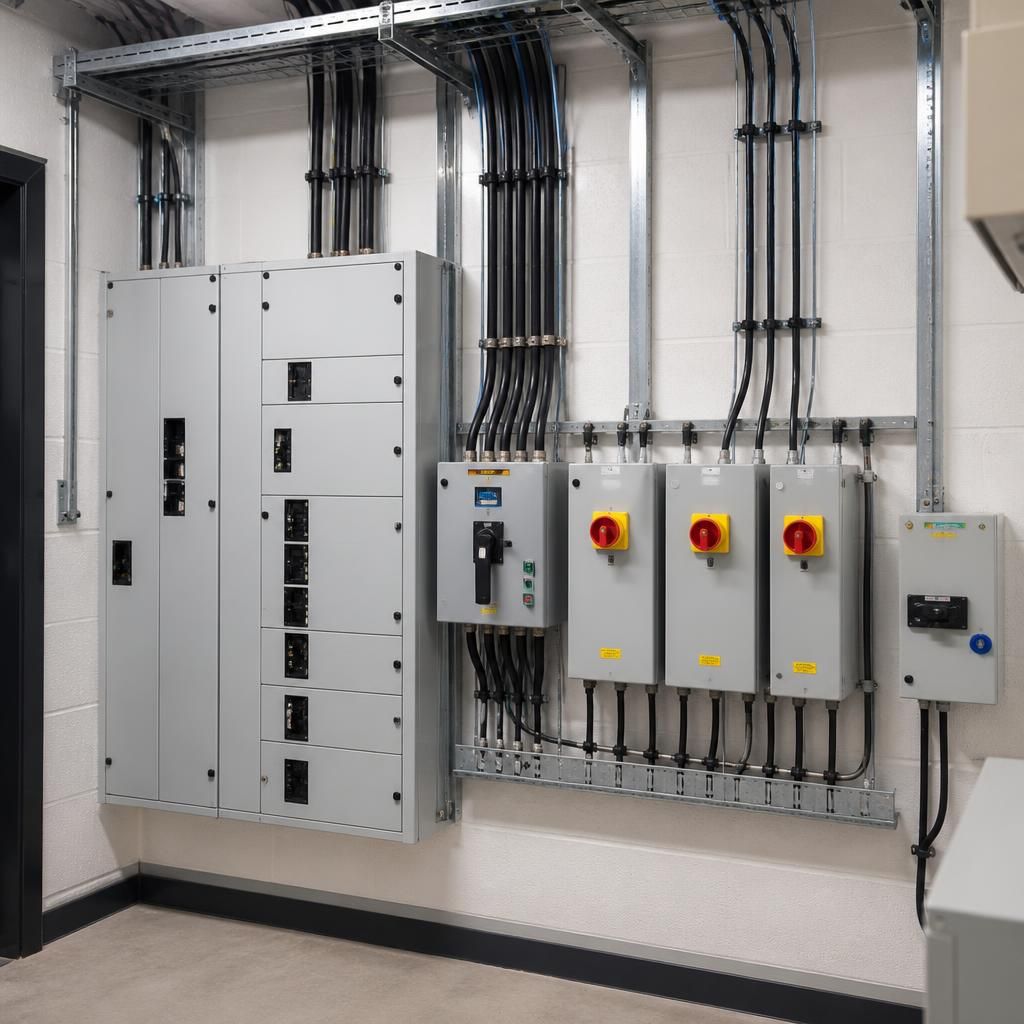
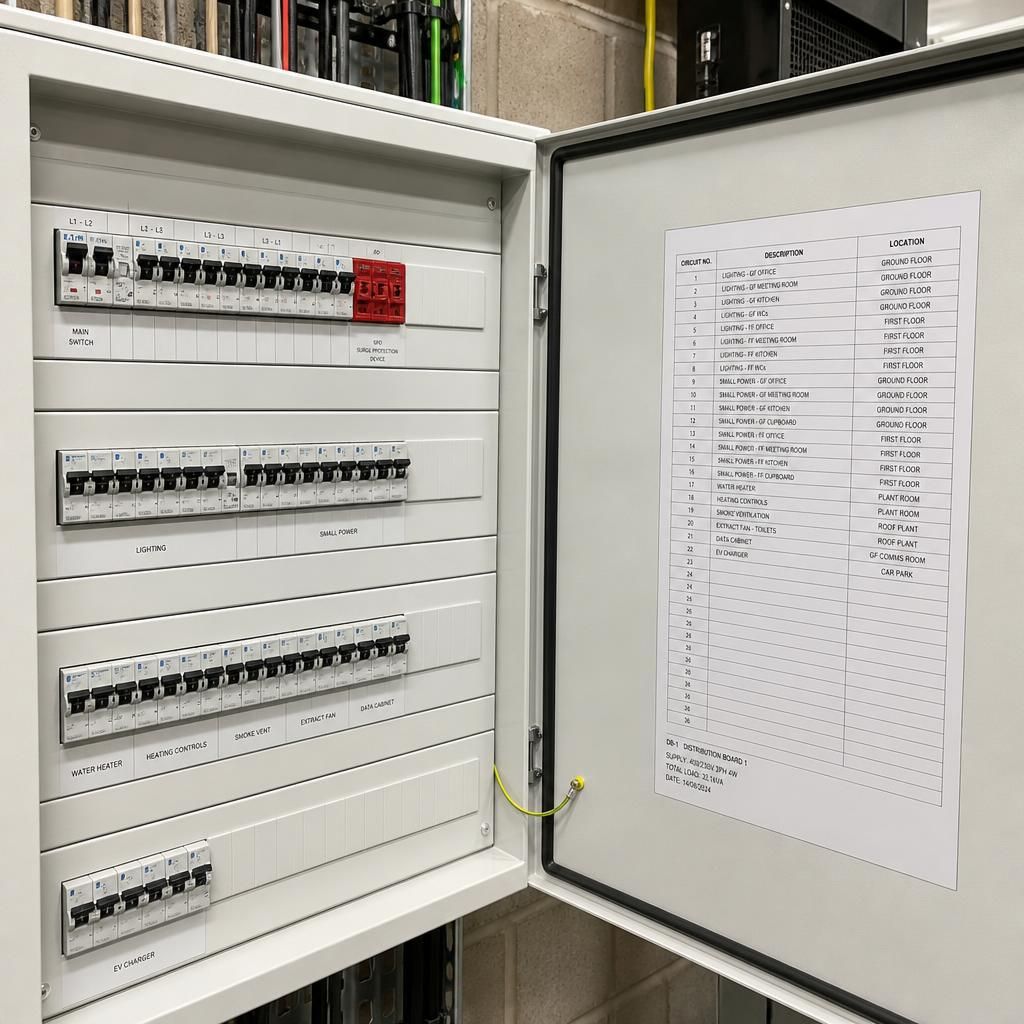
A well-designed electrical installation in a construction project provides dependable power through correctly selected equipment, coordinated circuits and accessible distribution arrangements. Careful positioning of outlets, lighting controls and plant connections also makes the completed building easier to operate, maintain and adapt.
Professional installation and verification provide evidence that the work has been completed against the design and applicable wiring requirements. Clear circuit identification, orderly equipment layouts and properly resolved trade interfaces help reduce remedial work, avoid unnecessary disruption and give building owners and contractors greater confidence at completion.



Questions to Ask Before Appointing an Electrical Construction Contractor
How should an electrical construction contractor manage design changes?
Check the tender scope, design responsibility, programme, coordination arrangements, competency evidence, testing procedures and handover documentation. RJW Electrical can discuss these requirements for construction projects, helping clarify responsibilities before appointment.
What should an electrical construction contractor include in a tender return?
A tender return should include marked-up drawings, priced schedule of works, qualifications, programme, assumptions, exclusions, testing proposals, insurance evidence and handover deliverables, with interfaces and responsibilities clearly identified for review.
How can you assess an electrical construction contractor’s site supervision arrangements?
Effective supervision includes named responsibilities, daily site records, coordination with other trades, inspection checkpoints, safe working controls and escalation routes. Ask how the supervisor verifies progress, quality and unresolved issues.
How should an electrical construction contractor plan installation sequencing?
Plan sequencing around approved drawings, access, temporary supplies, containment, first-fix, second-fix, commissioning and other trades’ activities. Confirm dependencies through the programme, recording constraints and revising work logically as conditions change.
What evidence of electrical compliance should a construction contractor provide?
Request certificates for completed installation, including Electrical Installation Certificate or Minor Works Certificate where applicable. Include schedules of test results, inspection records, circuit details and commissioning information in handover documentation.
Discuss Your Electrical Construction Requirements
Discuss your drawings, programme and electrical scope with RJW Electrical to establish the appropriate assessment and next steps. You can request a clear quotation without a call-out fee, based on the requirements of your construction project.