
RJW Electrical
EICR Certificate Guide
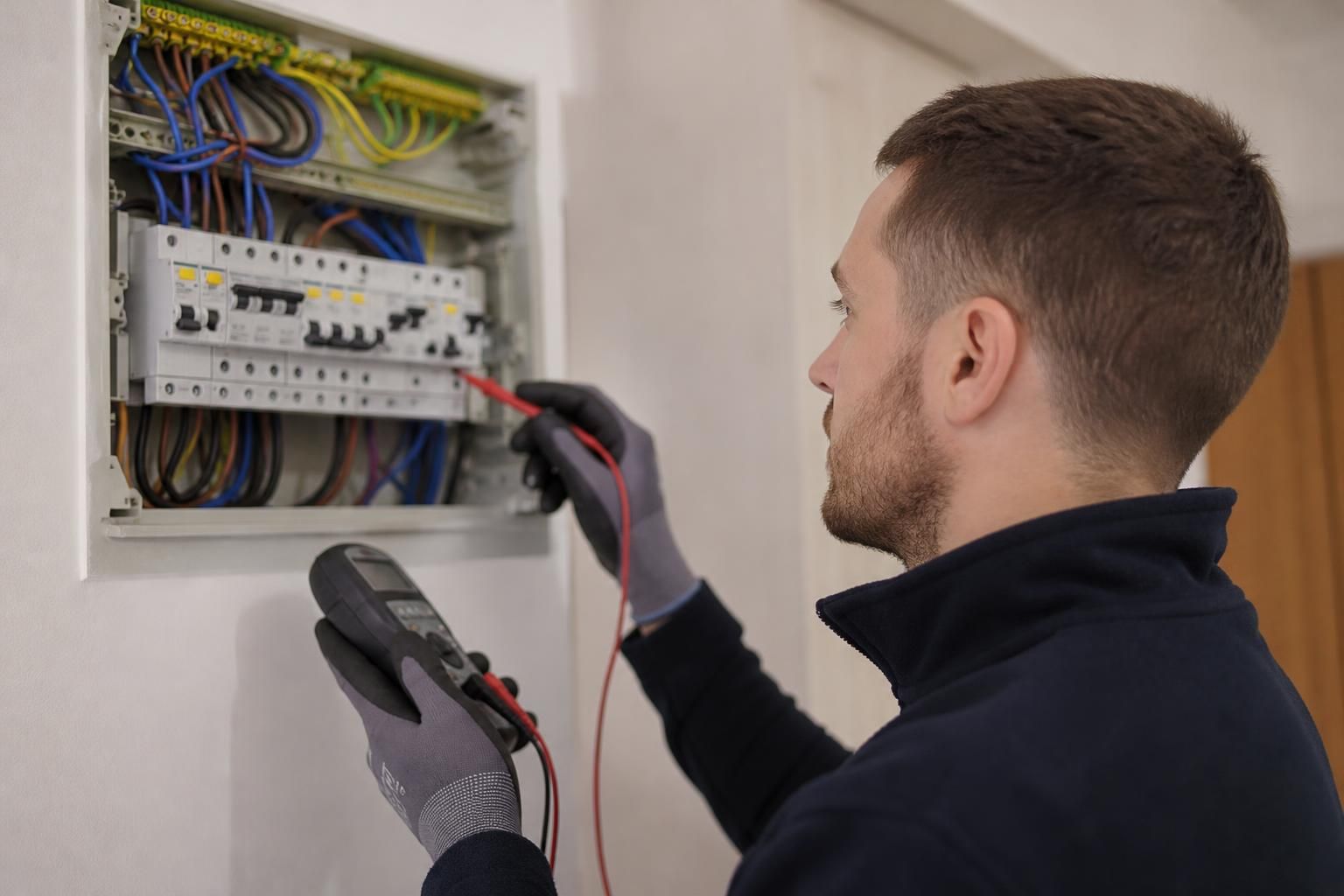
An Electrical Installation Condition Report (EICR) records the condition of a property's wiring and electrical systems, identifying defects and safety risks. RJW Electrical provides clear EICR certificates for homeowners, landlords and businesses, with qualified engineers and no-call-out-fee quotes.
EICR Certificate Questions: Which Report Do You Need?
When is an EICR certificate required for a domestic property?
A domestic EICR suits homeowners and buyers; landlords need inspections addressing legal duties, while commercial premises require reports matched to their installation, occupancy, alterations and safety requirements for documented compliance.
What does a domestic EICR certificate include?
A domestic EICR certificate sets out inspected areas, test results, limitations, coded observations, recommended actions, and any further investigation needed, creating a clear record for property decisions and safety planning.
How long is an EICR certificate valid?
An EICR has no universal expiry date. Its practical validity depends on the report’s stated recommendation, property use, installation condition, and alterations; reassessment may be needed sooner after identified changes.
What is the difference between an EICR certificate and an electrical installation certificate?
An EICR is a periodic condition assessment of existing wiring, whereas an Electrical Installation Certificate confirms new work or alterations meet design and testing requirements at completion for that installation.
What should you do after an EICR identifies electrical defects?
Review each coded observation, prioritising immediate safety risks. Arrange remedial work with a qualified electrician, retain invoices, and request appropriate retesting or updated documentation confirming completed corrective measures where required.
EICR Certificate Options Compared: Scope, Compliance and Value
Choosing an EICR certificate involves comparing who carries out the inspection, what evidence is provided and how defects are recorded. The options below distinguish professional reports from incomplete paperwork, helping homeowners, landlords and businesses select an appropriate, compliant assessment.
- 01
Qualified electrician EICR
A full EICR completed by a qualified electrician involves inspecting the installation and carrying out appropriate tests on wiring, consumer units, accessories and other fixed electrical equipment. The report records observations using standard classification codes, making it the appropriate option when you need a formal assessment of electrical condition.
- 02
NAPIT-registered inspection
Using a NAPIT-registered contractor adds an independently recognised compliance credential to the inspection. This option is suitable when you want the work carried out by an organisation operating within an established electrical safety scheme, alongside evidence of the engineer’s qualifications and insurance.
- 03
Landlord EICR
A landlord EICR is a formal inspection of the fixed electrical installation in a rented property, with the report retained as compliance evidence. It should clearly identify any defects, their classification and whether remedial work is required before the installation can be considered satisfactory.
- 04
Homeowner condition report
Homeowners may request an EICR when buying, selling or assessing an older property, or when there is concern about the wiring. The report provides more useful evidence than a visual check because testing can identify faults that are not apparent from the condition of visible accessories.
- 05
Incomplete or informal paperwork
A certificate that only lists visible observations, gives no test results or omits classification codes may not provide the evidence expected from an EICR. Before relying on paperwork, check that it identifies the property, inspector, scope of inspection, results and any recommended remedial action.
Professional EICR Standards and Documentation
A reliable EICR service combines methodical inspection with accurate interpretation of test results. RJW Electrical provides itemised findings, explains classification codes and supports clear decisions about remedial work, helping clients retain records for maintenance, compliance and property transactions.
Methodical Condition Assessment
Each EICR follows a structured inspection and testing process covering accessible wiring, distribution equipment, protective devices, earthing and bonding. This supports consistent assessment against current electrical safety requirements.
Qualified and Safety-Focused Engineers
Insured, DBS-checked engineers carry out domestic reports in line with the latest 18th edition wiring regulations. Their professional approach helps ensure observations are recorded carefully and explained clearly.
Recognised Professional Standards
RJW Electrical is a NAPIT member, part of the TrustMark scheme and listed on the Electrical Safety Register. These memberships provide useful independent indicators when choosing an EICR provider.
Clear, Usable Certification
You receive documentation that sets out the installation condition, recorded observations and relevant classification codes. This creates a practical reference for homeowners, landlords, businesses, maintenance planning and property transactions.
Straightforward Next Steps
Where an EICR identifies issues, the findings can be discussed in plain language so you can distinguish urgent safety concerns from defects requiring planned attention. Quotations are provided without a call-out fee.
Questions to Ask Before Approving an EICR
Before approving an EICR, confirm that the proposed inspection suits the property and its purpose, who will carry it out, and which technical standards will be applied. Ask whether the report will identify limitations, areas not inspected and any access requirements, so its findings can be assessed accurately.
Request a written breakdown of what the price includes, including testing, the completed report and any follow-up documentation. Clarify whether remedial work is excluded from the inspection price, how additional work would be approved, and what records you will receive when the EICR is complete.
What parts of the installation are included?
Ask whether the proposed EICR covers the consumer unit, fixed wiring, switches, sockets, lighting circuits, earthing and bonding, as well as any garages, extensions or external installations connected to the property. Confirm whether portable appliances and equipment supplied by plug connections are outside the report, and identify anything that will not be inspected.
Which technical standard will be applied?
Ask whether the inspection will be carried out against the current 18th edition requirements of BS 7671, where applicable, and how departures from those requirements will be recorded. Request confirmation that the report will show the inspection date, the installation details assessed and any areas where a full conclusion could not be reached.
What test records will be provided?
Ask whether you will receive the completed EICR together with the relevant schedules, recorded test results and details of the installation assessed. Confirm how the documents will identify each observation, the location of the issue and any limitation that could affect interpretation, so the records can be retained for future electrical work or property administration.
How will safety findings be prioritised?
Ask how the engineer will distinguish immediately hazardous conditions, potentially dangerous defects, improvement recommendations and matters requiring further investigation. Confirm that the report will explain the practical significance of each classification and state where specialist investigation or corrective work may be needed.
What credentials should the contractor provide?
Ask for confirmation of the engineer's qualifications, insurance and experience with the type of property being inspected. RJW Electrical is a NAPIT member, part of the TrustMark scheme and listed on the Electrical Safety Register; these credentials can be checked alongside the written scope and report details before proceeding.
Discuss Your EICR Requirements
Contact RJW Electrical to discuss your property, inspection purpose and documentation needs. The team can advise on the appropriate EICR scope, answer practical questions and provide a tailored quotation or arrange your booking.