
RJW Electrical
Home CCTV Systems
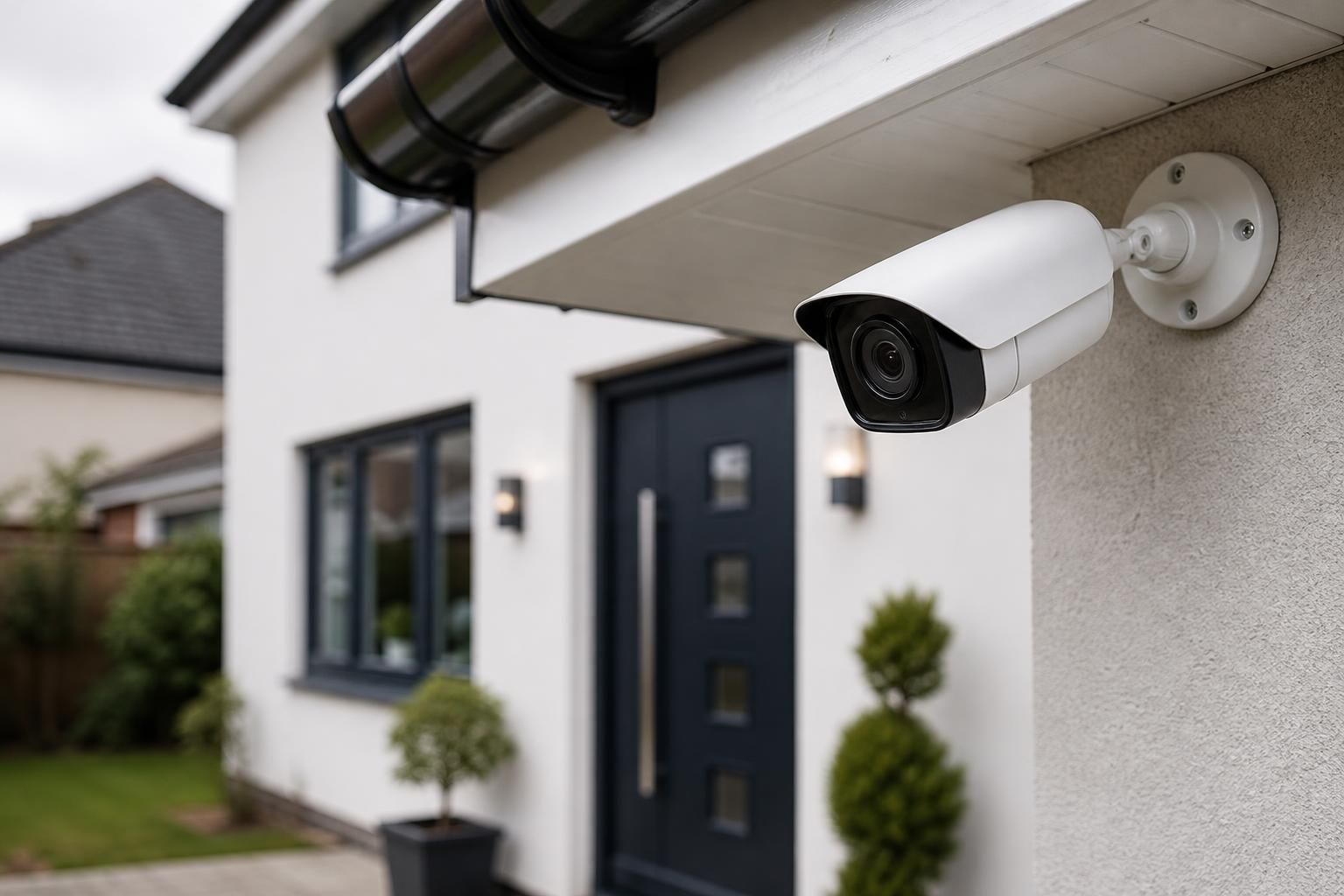
Home CCTV systems use cameras, recording and secure viewing to help households monitor entrances, gardens and shared access points. RJW Electrical provides professionally planned and fitted systems for homes across Sutton Coldfield, Walsall and surrounding Midlands areas.
Home CCTV System Questions Answered
Which type of home CCTV system suits your property?
Choose camera resolution, night vision, storage method and remote access according to property layout, lighting and privacy needs. Professional design helps position equipment correctly, protect footage and maintain reliable coverage.
What does home CCTV system installation include?
Home CCTV installation typically covers camera positioning, secure cable routing, recording equipment, network connection, system configuration and testing, followed by guidance on viewing footage, privacy settings and system operating controls.
Should you choose wired or wireless home CCTV cameras?
Wired systems use dedicated cabling for consistent connections, while wireless cameras rely on network signal and power arrangements. Property structure, coverage distance, internet reliability and installation access should guide choice.
How many cameras does a home CCTV system need?
The right number depends on property size, camera angles and required detail. Cover primary entrances, rear access, driveways and vulnerable boundaries, avoiding duplicated views and unnecessary monitoring where privacy allows.
What should you check before installing security cameras outside your home?
Before installation, check property boundaries, privacy implications, lighting, power, network coverage, cable routes and local requirements. Confirm camera views avoid neighbouring land and public spaces unless appropriately justified and documented.
Home CCTV System Options Compared
Home CCTV systems range from wired camera networks to wireless or battery-powered devices. Wired options suit fixed coverage and continuous recording, while wireless cameras simplify placement but depend on signal quality, batteries and configuration.
- 01
Wired IP CCTV systems
Wired IP cameras use network cabling to send video to a recorder or secure network storage. They are well suited to larger homes, fixed coverage and regular recording because the cameras do not rely on Wi-Fi signal strength or rechargeable batteries. Installation is more involved, but the cabling can provide a dependable, structured system when planned and fitted professionally.
- 02
Wireless mains-powered cameras
Wireless cameras transmit video over the home network while using a fixed power supply. They can reduce visible data cabling and suit properties where routing network cables would be disruptive, but performance depends on Wi-Fi coverage and network stability. A site assessment helps identify suitable camera positions and any areas where signal strength may limit reliability.
- 03
Battery-powered CCTV cameras
Battery cameras are flexible for locations where permanent cabling is difficult, such as detached outbuildings or temporary monitoring points. They are simple to reposition, but recording patterns, battery condition and wireless connectivity affect their suitability. They generally require more ongoing attention than permanently powered cameras.
- 04
Hybrid CCTV installations
A hybrid system combines wired cameras in key positions with wireless or battery cameras where cabling is impractical. This can balance dependable coverage at entrances and driveways with easier installation in gardens or outbuildings. The main consideration is ensuring that all components work together through a suitable recording and viewing arrangement.
- 05
DIY CCTV kits
DIY kits can be appropriate for a small, straightforward property where the owner can position cameras, configure the network and manage storage settings. They may offer a lower initial installation commitment, but coverage gaps, poor camera angles, privacy considerations and incorrect settings can reduce their practical value. Professional planning is useful where several access points or shared boundaries need to be considered.
- 06
Professionally designed and fitted systems
A professionally designed system starts with the property layout, likely access routes, lighting conditions, viewing requirements and equipment locations. RJW Electrical provides planned and fitted home CCTV systems, with qualified engineers working to current 18th edition wiring regulations. This option is most suitable where the system needs coordinated coverage, compliant electrical work and a clear installation standard.
What to Expect from a Professionally Installed Home CCTV System
RJW Electrical approaches home CCTV installation as an electrical system, not simply a camera fitting. The service includes considered equipment positioning, compliant wiring where required, secure configuration, clear handover information and practical guidance for using and maintaining the system.
Planned Camera Coverage
RJW Electrical assesses the property layout before recommending camera positions, helping cover relevant entrances, gardens and shared access points while considering privacy and practical viewing angles.
Compliant Electrical Work
Where CCTV equipment requires electrical connections, installation is carried out by qualified, insured and DBS-checked engineers in line with the latest 18th edition wiring regulations.
Recognised Professional Standards
RJW Electrical is a member of NAPIT, the TrustMark scheme and the Electrical Safety Register, providing clear benchmarks for professional electrical installation work.
Clear System Documentation
Customers receive useful information about the installed CCTV system, including its main components, controls and relevant maintenance considerations, so the setup is easier to understand after installation.
Experienced Installation Team
Established in 2006, RJW Electrical brings 20 years of electrical installation experience to domestic CCTV projects, with advice based on the property and the intended use of the system.
Straightforward Quotation
The quotation process is explained clearly, with a no call-out fee quote available so customers can assess the proposed home CCTV installation before deciding.
Questions to Ask Before Approving Home CCTV Installation
Choosing a home CCTV system means matching cameras, recording, viewing access and installation methods to the property and the areas you need to monitor. Before approving the work, confirm that the proposed design suits your layout, provides the required image coverage and handles privacy considerations appropriately.
Ask for a clear explanation of the equipment, qualifications, compliance arrangements, wiring, recording options, ongoing support and total price. A written scope should distinguish what is supplied and fitted from any exclusions, so you can compare proposals on a like-for-like basis.
Will the system suit my property?
Request a clear explanation of each camera position, its intended view and any areas that may remain outside coverage. Confirm how the system will manage lighting changes, night-time images, blind spots, movement detection and views towards neighbouring property or public areas. A suitable proposal should explain the reasoning behind the design rather than presenting a standard camera package.
Who will carry out the installation?
RJW Electrical Ltd is an established electrical installation specialist with 20 years of experience, NAPIT membership, TrustMark scheme membership and registration with the Electrical Safety Register. Its engineers are fully qualified, insured and DBS-checked, and work in line with the latest 18th edition wiring regulations. Ask which parts of the proposed work require electrical installation expertise and who will be responsible for testing or certification.
How will privacy and data be managed?
Confirm where recordings are stored, who can view them and how user access will be controlled. Ask whether privacy zones, suitable camera angles, password protection and user permissions can be configured where appropriate. You should also understand how footage can be exported when needed and what responsibilities you retain for operating the system lawfully.
What exactly is included in the quotation?
Check that the quotation identifies the number and type of cameras, recording equipment, cabling, power supplies, network connections, setup work and any access equipment required. Ask whether configuration, testing, user instruction, removal of redundant equipment and making good disturbed areas are included. RJW Electrical provides a no-call-out-fee quote; ask the same questions of every installer so the prices reflect comparable work.
What happens after the system is fitted?
Ask the installer to demonstrate live views, recording, playback, notifications and any remote viewing features included in the agreed specification. Confirm that you will receive relevant instructions, access details and information about equipment locations and isolation points. The completion process should also explain what to do if a camera view changes, storage becomes unavailable or the system requires future adjustment.
Discuss Your Home CCTV System Requirements
Contact RJW Electrical to discuss your home CCTV requirements and request a tailored quotation. A clear conversation about your property, preferred coverage and installation needs can help establish the appropriate next step, whether advice, pricing or booking.