
RJW Electrical
Solar & EV Charging
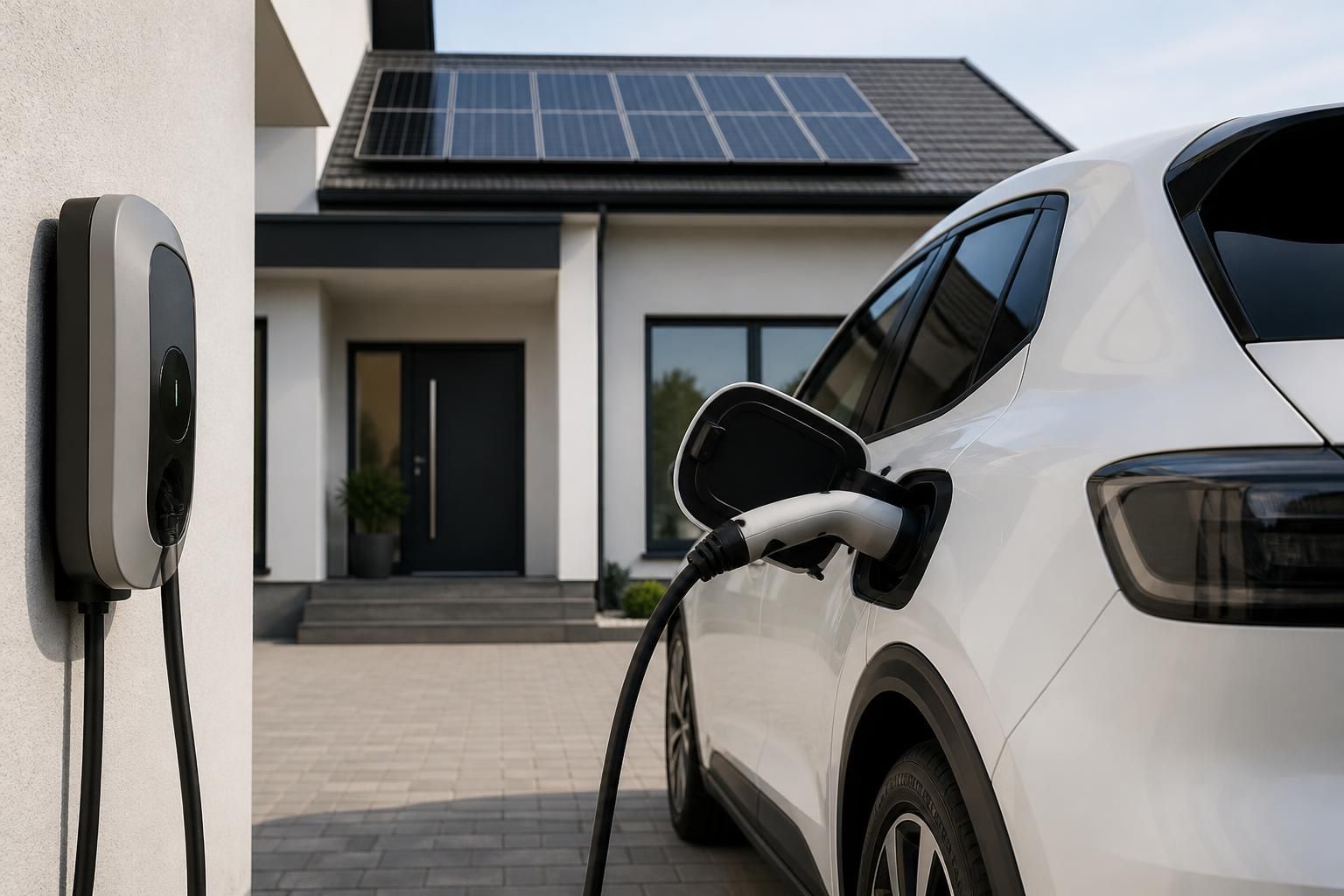
Solar and EV charging services combine renewable electricity generation with dedicated charging equipment for electric vehicles. RJW Electrical can assess requirements, plan suitable domestic or commercial installations, and complete the electrical work in line with current wiring regulations.
Clearer Control of Your Home’s Energy
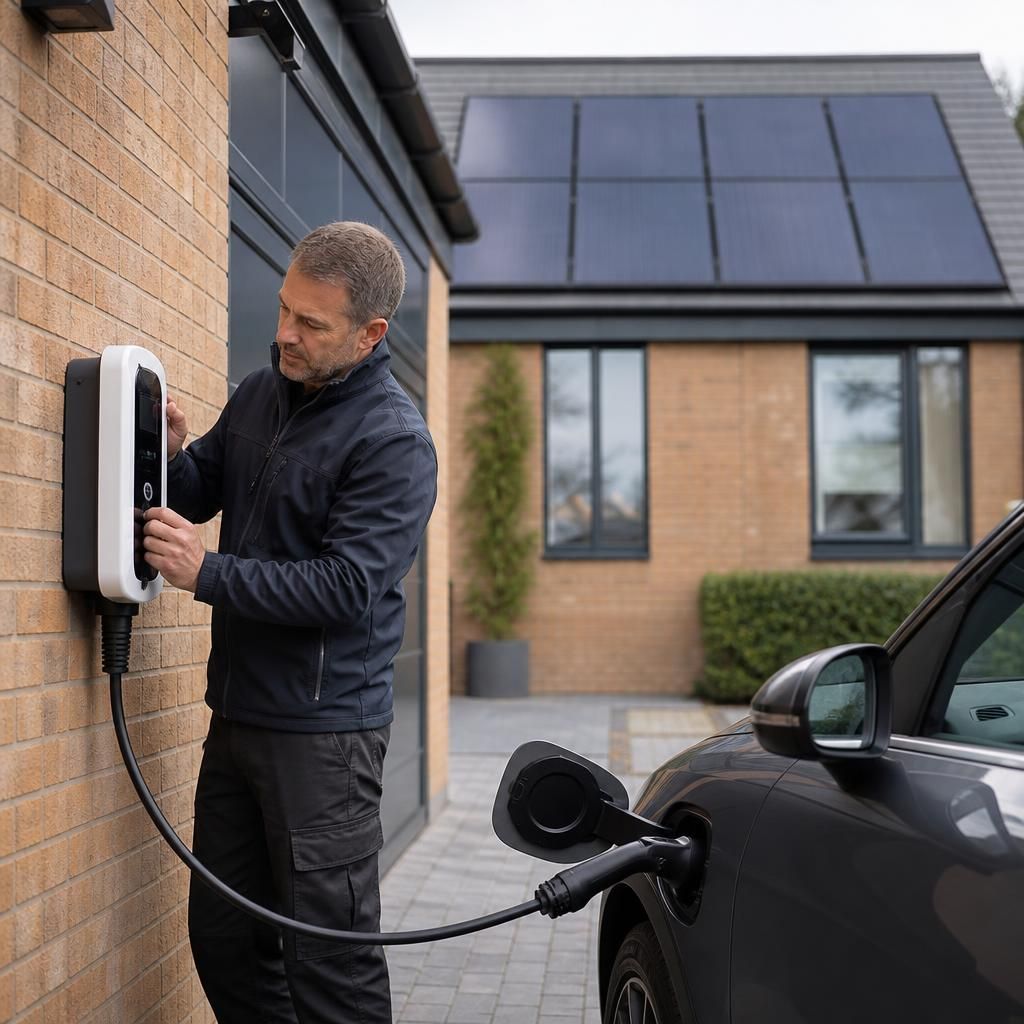
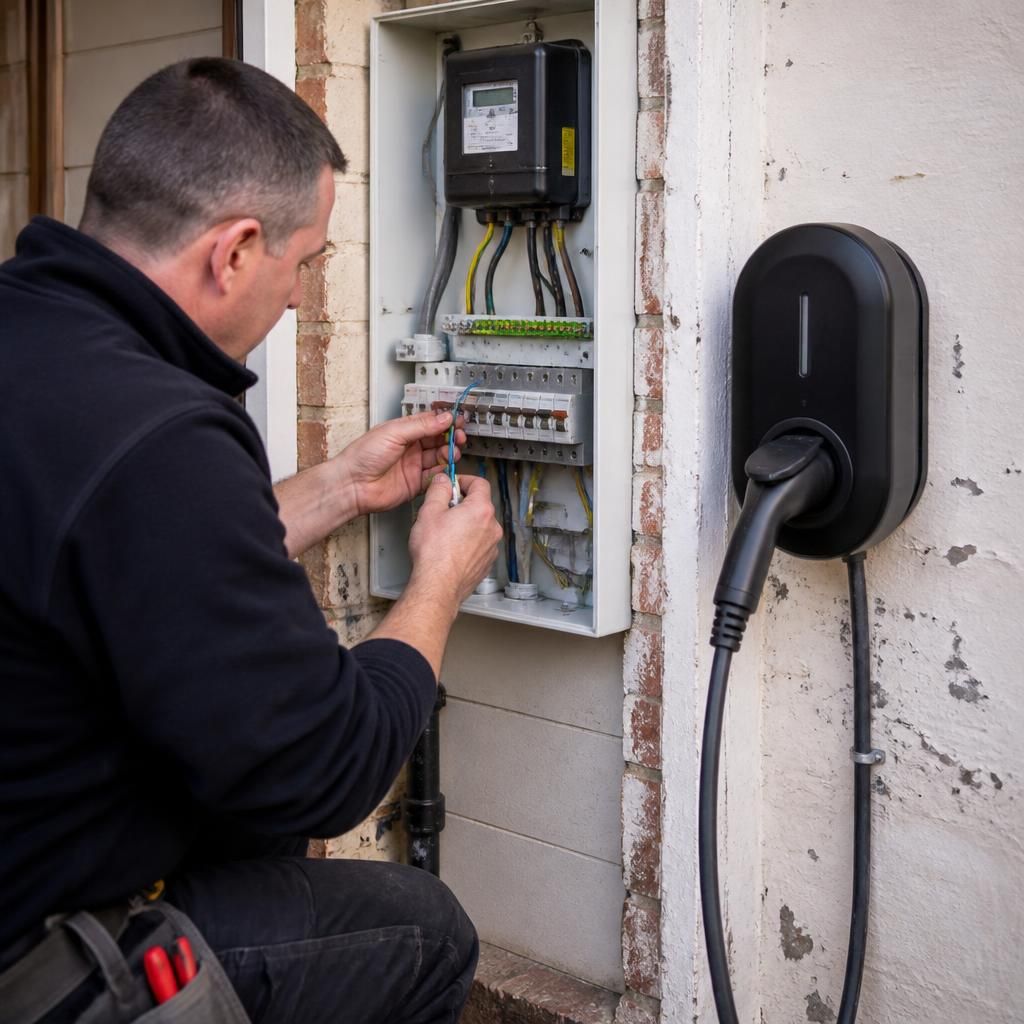
Clear control of a solar and EV charging installation means understanding how generation, household demand and vehicle charging interact. Reviewing the electrical supply, consumer unit and proposed equipment helps establish a suitable arrangement before installation begins.
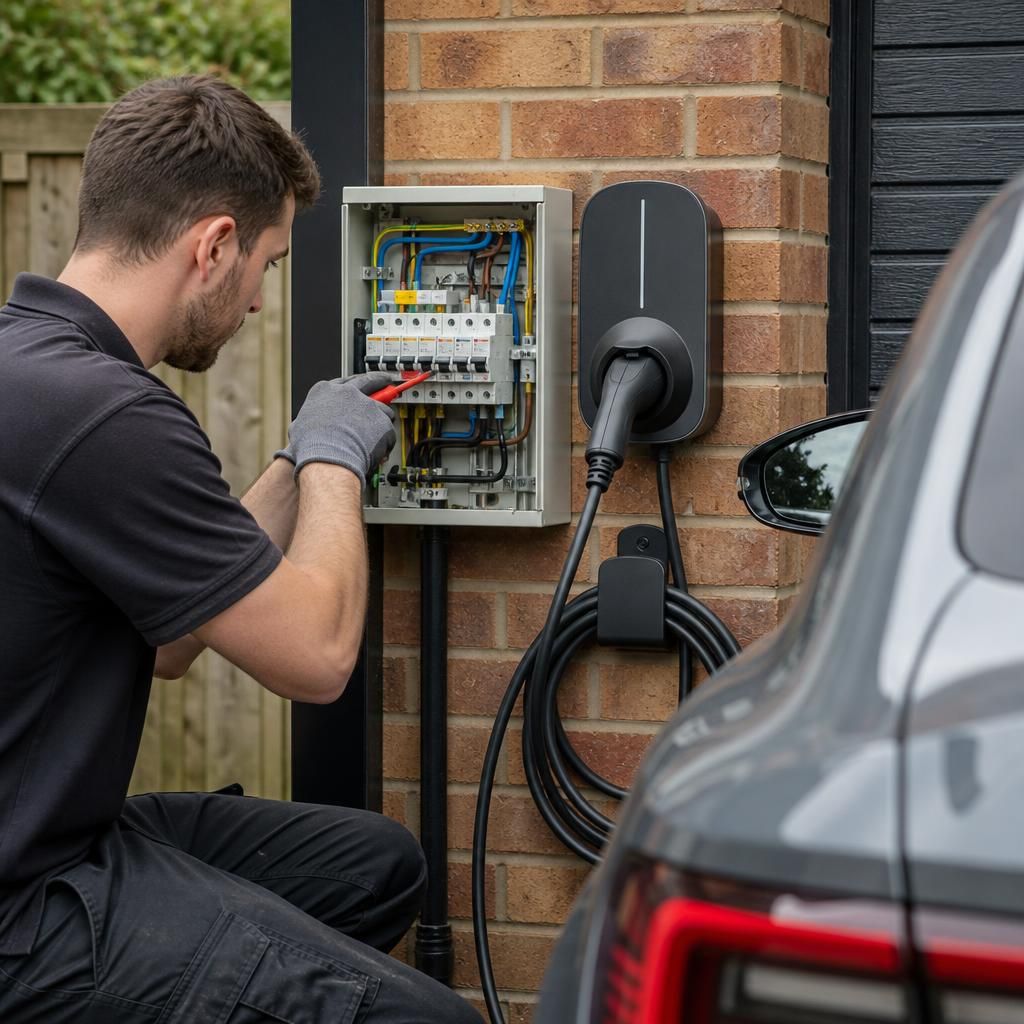
Monitoring can show when solar electricity is being generated and how charging equipment is operating. This provides better visibility of energy use, while appropriately selected protection and isolation equipment supports safe, straightforward day-to-day management.
Planning also considers cable routes, mounting positions and future access for inspection or maintenance. The result is a tidier, more deliberate installation that fits the property and makes it easier to use renewable generation for vehicle charging.
Solar and EV Charging for Different Homes
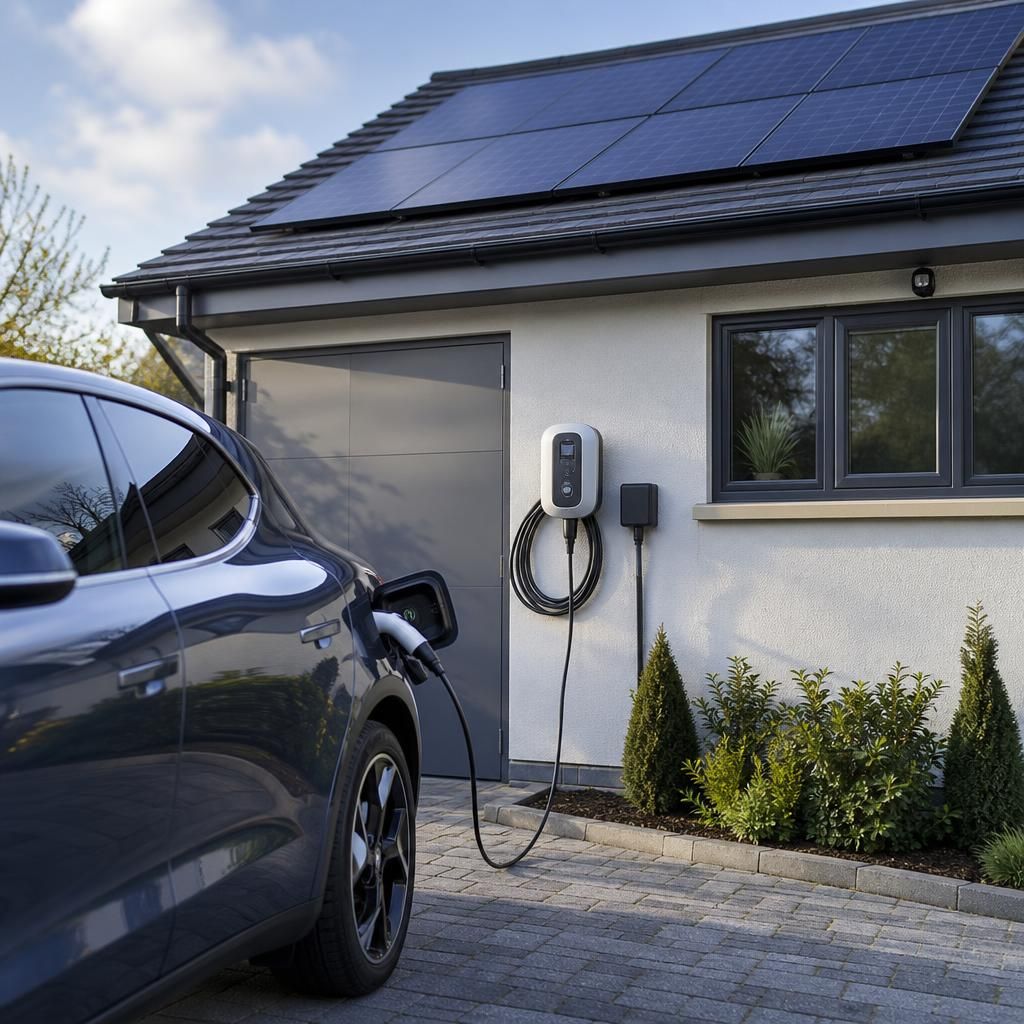
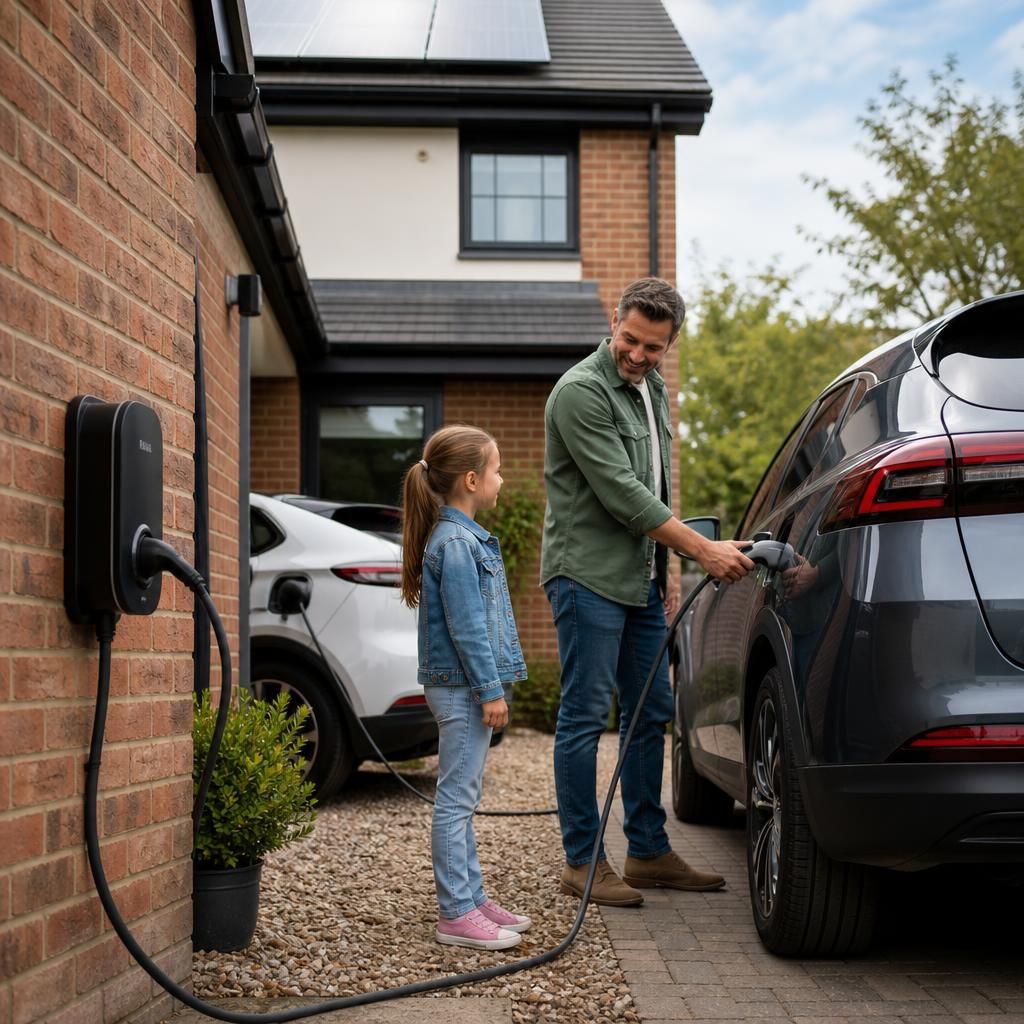
Solar and EV charging installations can be planned around the property’s layout, electrical capacity and parking arrangements. Detached homes may allow more flexibility for equipment and cable routes, while terraced properties require careful consideration of access, wall positions and the distance between the consumer unit and parking space.
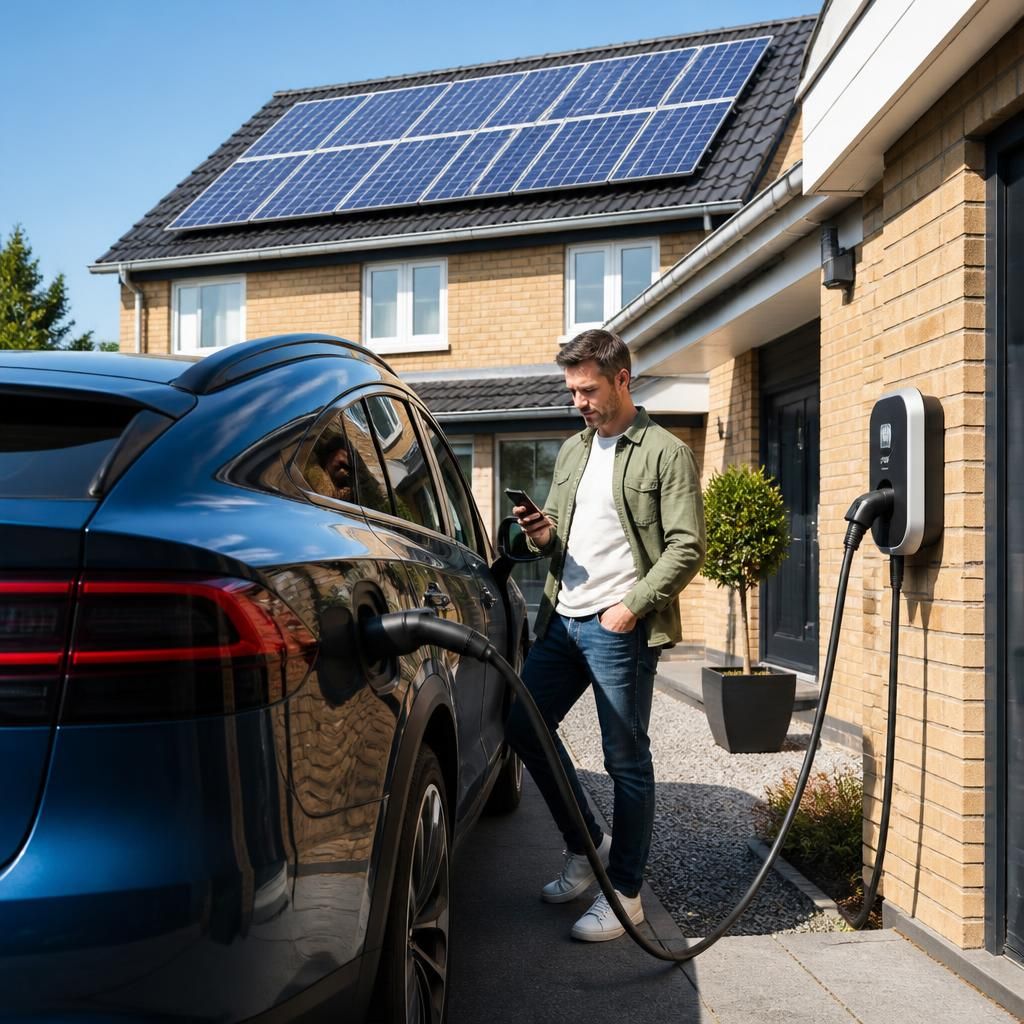
For homes with shared parking, flats or limited driveway space, the installation must account for cable protection, permission requirements and safe equipment positioning. The right arrangement can also reflect how the property is used, whether the priority is straightforward overnight charging, using available solar generation or preparing for a future electric vehicle.
Solar and EV Charging: Questions Answered
Is my home suitable for solar-powered EV charging?
A suitable system depends on roof or parking layout, electrical capacity, cable routes and charging needs. A qualified assessment confirms equipment compatibility, protection requirements and whether solar generation can support charging.
Is a DNO application needed for an EV charger installation?
An application may be required where the proposed charger could affect the electricity network. The installer assesses the connection, submits details to the DNO, and confirms requirements before work begins.
What affects the cost of installing an EV charger at home?
Cost depends on the charger specification, cable length, installation complexity, consumer-unit requirements and any necessary groundwork. A site assessment supports a tailored quotation including equipment, labour, testing and associated certification.
What happens during a domestic EV charger installation?
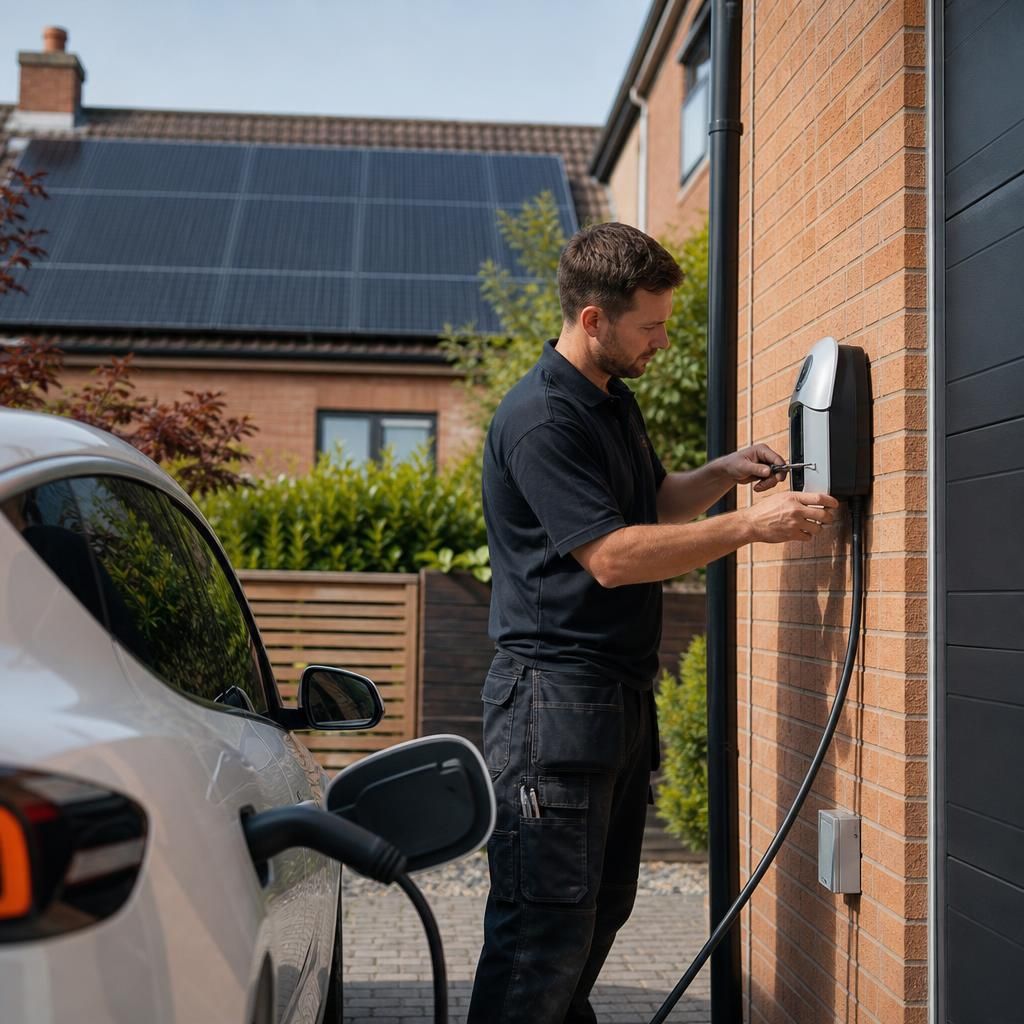
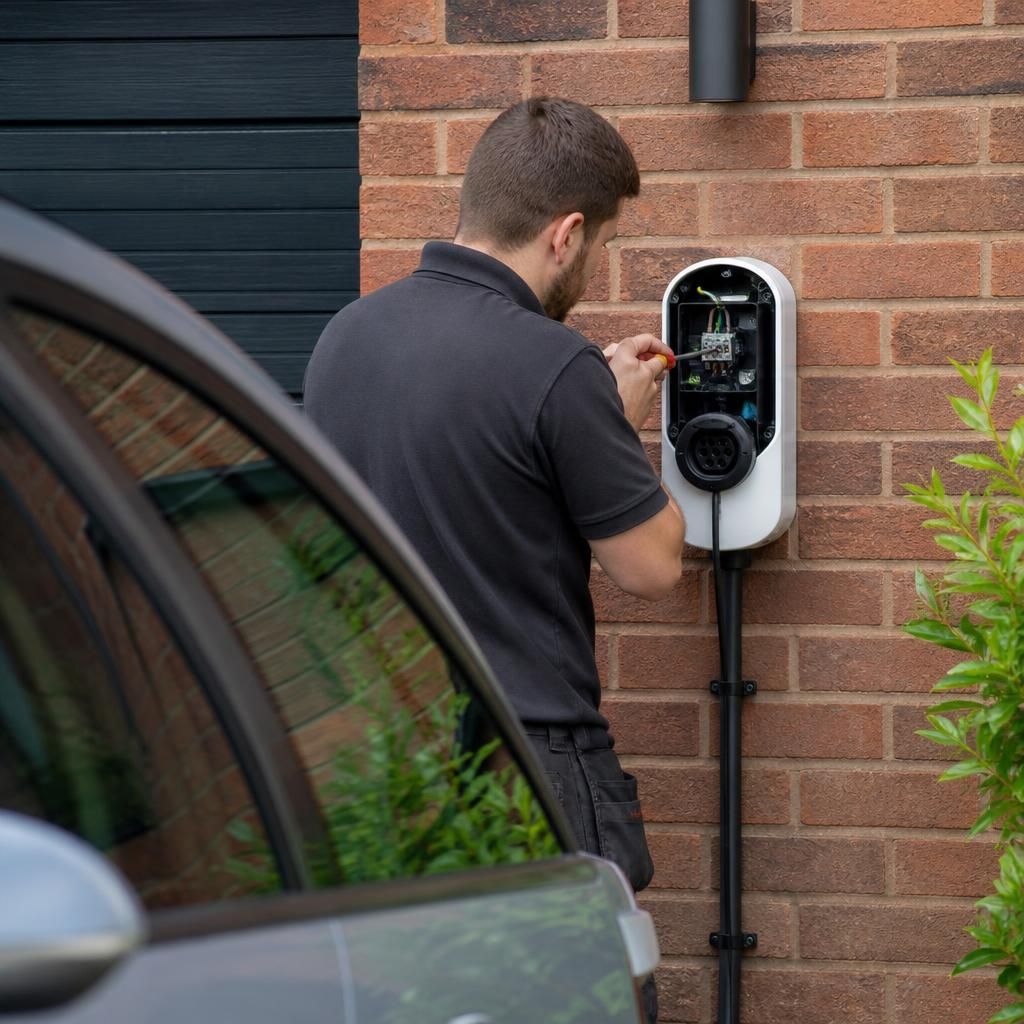
Installation typically involves confirming the approved design, mounting the charger, routing and securing cabling, connecting protective devices, configuring controls, then testing operation and issuing required electrical documentation for the installation.
What should I look for in a solar-compatible home EV charger?
Look for solar integration, adjustable charging controls, load management, clear status information and compatibility with the property’s electrical supply. Confirm settings, protection requirements and future software support before final selection.
From Initial Assessment to a Dependable Installation
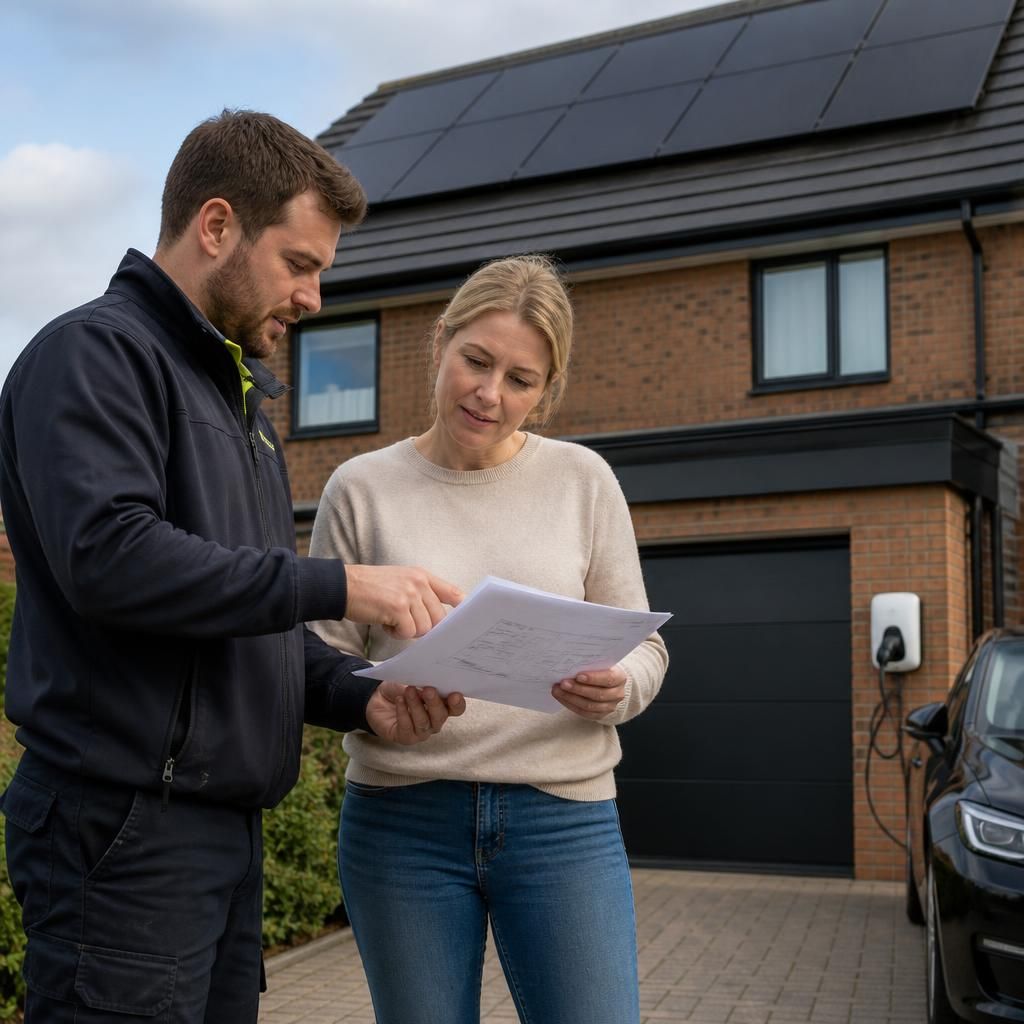
A solar and EV charging installation links a vehicle charging point with a property’s electrical system and, where fitted, its solar generation. When a customer is unsure whether the existing supply can support charging safely, RJW Electrical reviews the installation, proposed charger and intended charging routine.
Planning then confirms the equipment position, protective measures and connection requirements. Where necessary, the process can include a DNO application for the EV charger, with the relevant practical considerations explained before work begins.
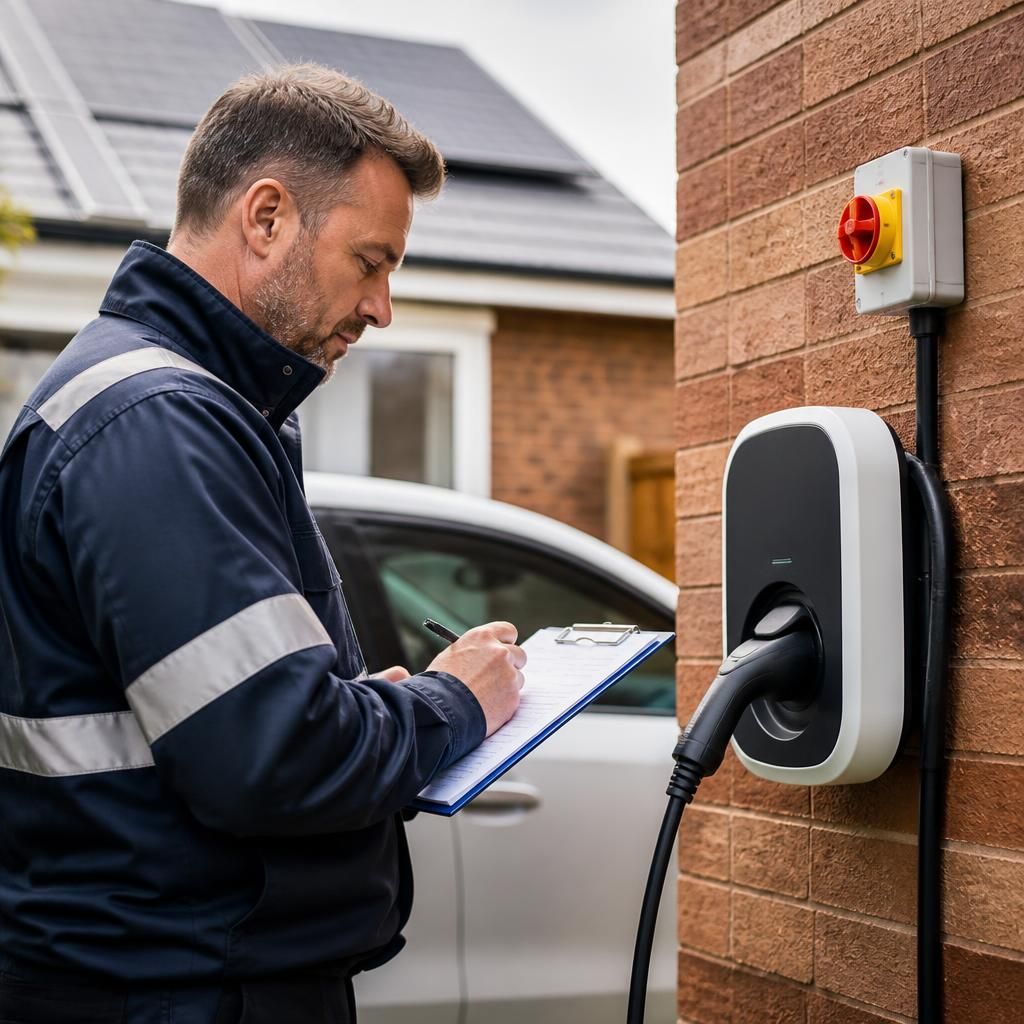
Installation involves fitting the charger, completing the associated wiring and checking that the system operates correctly. The finished work is tested and documented, giving the customer a clear understanding of how to use the charger and manage vehicle charging at home.
Professional Standards for Solar and EV Charging
Professional solar and EV charging work depends on qualified engineers, compliant design and careful testing of the completed electrical installation. RJW Electrical’s engineers are fully qualified, insured and DBS-checked, working to the 18th Edition Wiring Regulations and applying established standards to domestic and commercial projects.
RJW Electrical is a NAPIT member and part of the TrustMark scheme and Electrical Safety Register. These credentials, supported by 20 years of experience and a documented testing process, give customers a clear basis for assessing workmanship before arranging an installation. A no call out fee quote also sets out the proposed work and associated costs in advance.

Discuss Your Solar or EV Charging Requirements
Discuss your property, vehicle charging needs and solar plans with RJW Electrical. We can clarify the installation requirements, identify any information needed, and outline the most suitable next step before work is arranged.
Explore