
RJW Electrical
Electrical Testing & Certification
Electrical testing and certification assesses whether wiring, circuits and protective devices meet current safety requirements. RJW Electrical provides clear reports and appropriate certification for domestic and commercial premises, supporting informed remedial decisions and compliance records.
Testing Scope and Certification Details
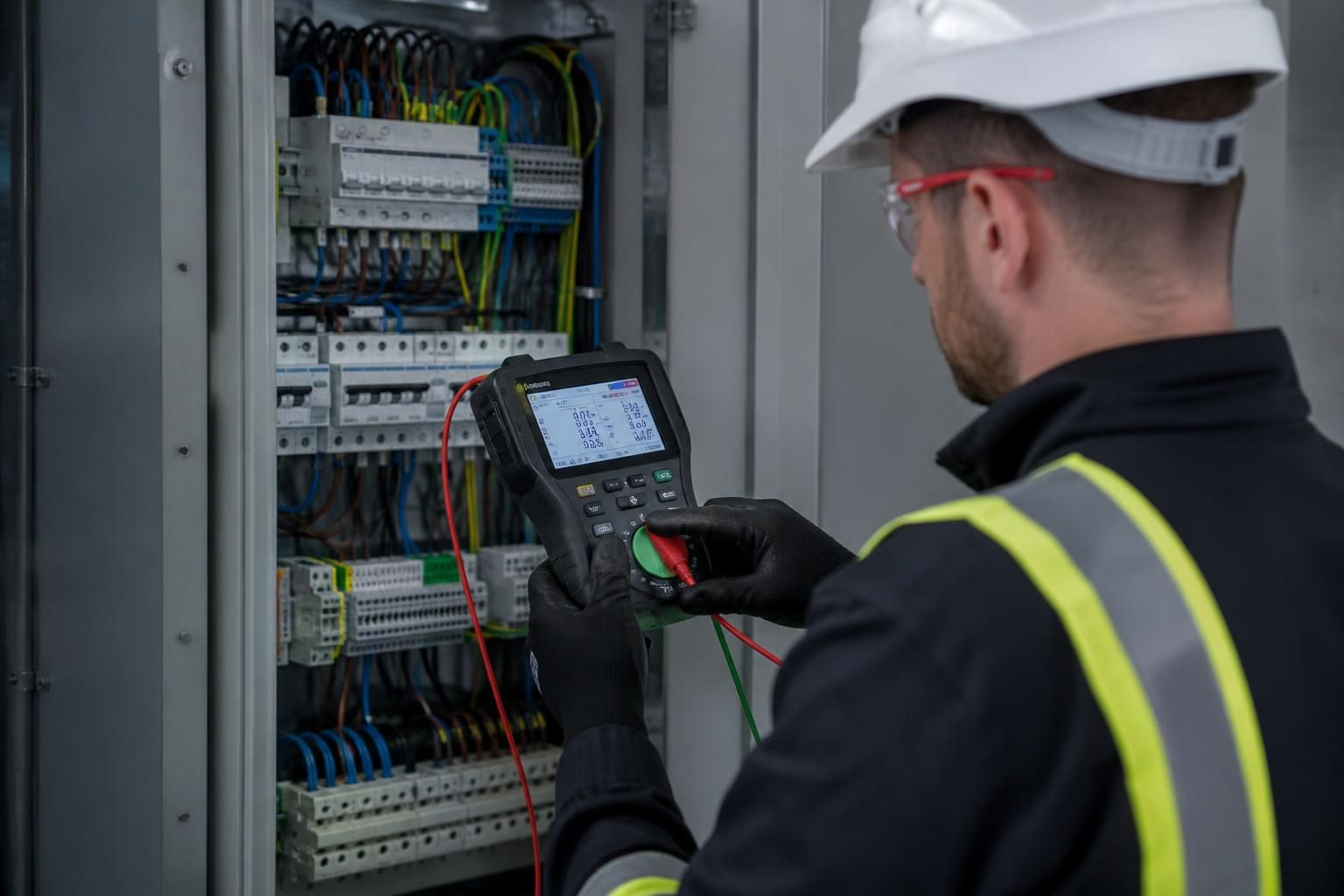
Testing examines fixed wiring, sockets, distribution equipment and protective devices. Methods can include visual checks, dead tests, earth continuity, insulation resistance, polarity, earth loop impedance and RCD operation testing.
The report records observations, coded defects and measured results. Certification may cover an EICR, fixed-wire inspection, PAT testing or building-control requirements, with remedial priorities explained where further work is indicated.
Circuit and Installation Review
The inspection considers the condition, accessibility and identification of circuits, wiring accessories and distribution equipment across the premises.
Protective Measures
Testing considers earthing arrangements, bonding and the operation of protective equipment to identify conditions that could affect electrical safety.
Measured Test Results
Recorded readings provide evidence for the assessment, allowing observations to be considered alongside the installation’s design and condition.
Clear Certification
Documentation sets out the installation inspected, test results, observations and any limitations so it can be retained as a reliable compliance record.
Prioritised Remedial Work
Where defects are identified, findings are explained in practical terms so essential safety issues can be distinguished from lower-priority improvements.
Standards-Based Delivery
RJW Electrical works to current 18th edition wiring requirements, with NAPIT and TrustMark membership supporting a structured, accountable service.
Electrical Testing & Certification FAQs
When is a commercial electrical installation condition report required?
A competent inspector reviews installation age, use, environment and previous records before testing, then identifies deterioration, unsafe alterations or recurring faults requiring investigation, repair or monitoring by the responsible person.
What is 2391 inspection and testing?
A 2391 qualification demonstrates training in inspecting and testing electrical installations, including interpreting results, identifying defects and completing appropriate documentation, although competence and experience remain essential for safe, compliant work.
What does a commercial EICR certificate include?
It records installation details, inspection scope, test results, observations, defect classifications and recommendations, providing property managers with documented evidence to assess safety, plan remedial work and support regulatory compliance records.
What is fixed wire testing for commercial premises?
Fixed wire testing examines permanently installed electrical circuits, equipment and protective measures without relying on appliance checks. It helps identify deterioration, alterations, overloads and defects within an installation, supporting compliance.
When is an electrical installation certificate required for building control?
A building control electrical certificate documents compliance of new or altered work for approval. It should match installation and design details, with competent inspection confirming declared work.
Testing Matched to Each Property’s Requirements
The appropriate testing and certification approach depends on the property, electrical system and intended use. Assessments can be structured around occupancy, operational risks, inspection frequency and documentation requirements, helping domestic and commercial clients prioritise necessary checks and any resulting action.
Domestic Properties
Residential testing can focus on the condition of fixed wiring, consumer units, sockets, lighting circuits and protective devices. The resulting report helps homeowners, landlords and property managers distinguish recorded observations from remedial work that may require attention.
Offices and Commercial Buildings
Office testing can be structured around distribution boards, general power, lighting and circuits serving specialist equipment. Inspection records provide a clear basis for reviewing electrical risks within occupied commercial premises and planning appropriate follow-up work.
Retail and Customer-Facing Premises
Retail units require consideration of display areas, staff facilities, back-of-house circuits and equipment supplies. Testing can be aligned with the way each area is used, ensuring the certification records describe the relevant installation rather than applying a generic checklist.
Industrial and Warehouse Environments
Larger or more demanding environments may include multiple distribution points, machinery supplies and circuits exposed to dust, impact or changing operational conditions. Inspection and testing can be defined around those system characteristics and the risks associated with the premises.
Certification and Remedial Priorities
Reports and certificates should identify the installation assessed, record relevant observations and separate urgent concerns from lower-priority recommendations. Clear documentation supports communication between owners, facilities teams, contractors and other parties responsible for deciding on remedial work.
Qualified, Insured and Accredited Electrical Testing
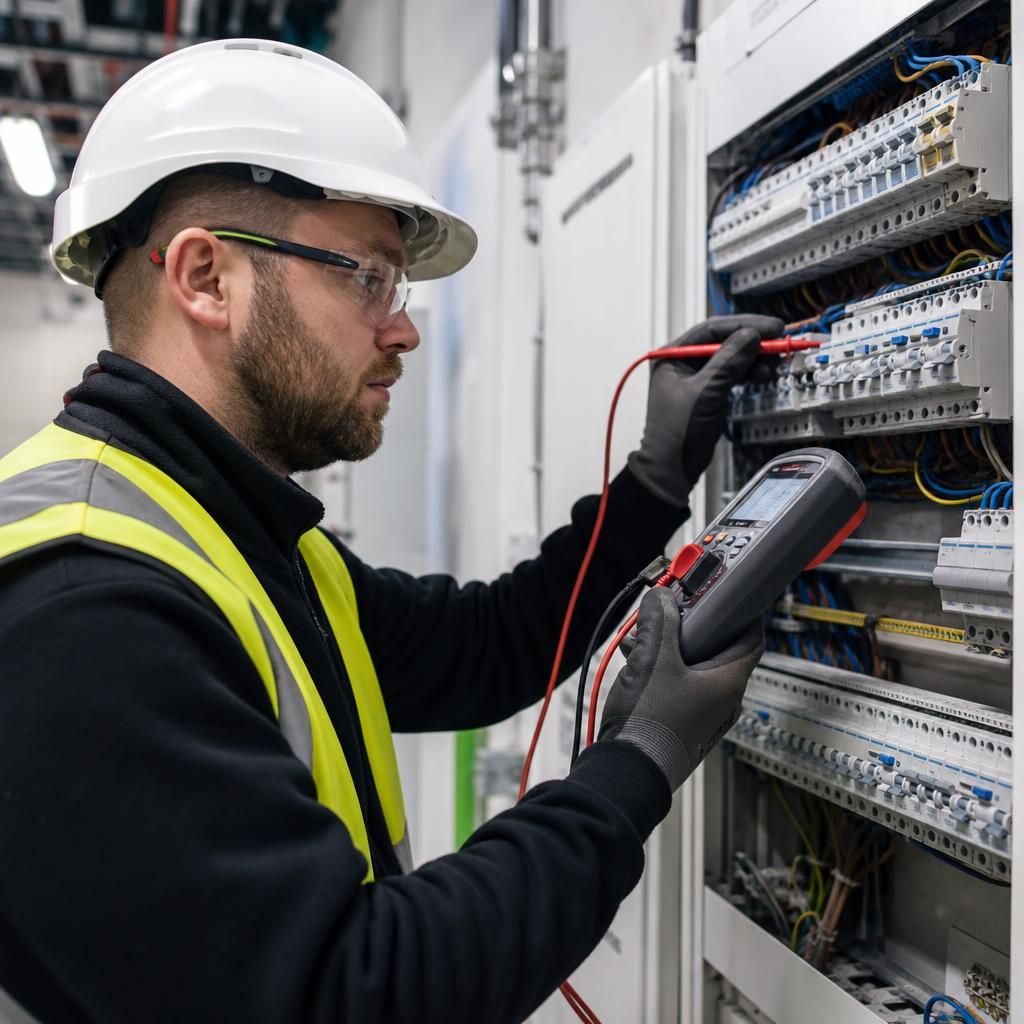
Electrical testing and certification should be completed by competent persons who can inspect installations, interpret measurements and record findings accurately. RJW Electrical’s engineers are qualified, insured and DBS checked, providing a controlled basis for domestic and commercial inspection work.
Technical work follows the latest 18th Edition wiring regulations, with testing selected to suit the installation and its risks. This supports examination of protective measures, earthing, circuits and equipment, while keeping certificate information clear for owners, facilities teams and other responsible persons.
RJW Electrical’s regional experience is supported by membership of NAPIT, the TrustMark scheme and the Electrical Safety Register. These credentials, alongside 20 years’ experience, give customers useful evidence when comparing contractors for testing and certification.
Questions to Ask Before Appointing an Electrical Contractor
Before appointing a contractor for electrical testing and certification, confirm what will be inspected, which testing methods are required and whether the assessment covers fixed wiring, equipment or both. Ask how access, isolation of circuits and any operational restrictions will be managed, particularly in occupied homes, offices and commercial premises.
Request clear information about the applicable standards, test results, certification, remedial recommendations and report format. It is also important to establish who will retain the records, arrange follow-up work, monitor maintenance requirements and remain responsible for electrical safety after the inspection is complete.
What should the initial survey cover?
Request a written description of the areas and installations to be inspected, including any exclusions or areas that cannot be accessed. Ask whether existing drawings, previous certificates and known defects will be reviewed, and whether the contractor will identify changes needed to complete the assessment accurately.
Are connected equipment and systems included?
Ask whether the inspection includes items such as fixed appliances, control equipment, emergency systems or other connected loads, rather than assuming they are covered. Confirm how any equipment that cannot be tested, is de-energised or falls outside the agreed scope will be identified in the report.
Which standards and limits apply?
Ask which edition of the relevant wiring requirements and other applicable guidance will be used, and whether the inspection is intended for a particular legal, insurance or operational purpose. Clarify how departures, unsafe conditions and matters requiring further investigation will be categorised.
How will access and disruption be managed?
Ask which rooms, panels and plant areas must be accessible, who will provide keys or permissions, and whether any areas require an escort. Confirm how circuit isolation will be controlled, how sensitive equipment will be protected and how inaccessible items will be recorded rather than treated as tested.
What evidence will the testing produce?
Ask whether the final documentation will identify the circuits or equipment tested, record relevant results and distinguish observations from confirmed defects. Confirm that recommendations will explain the issue and its priority without presenting optional improvements as mandatory remedial work.
Who handles records and follow-up work?
Ask who will receive and store the certificates, who will decide whether remedial work is required and how completion will be evidenced. Establish whether a separate quotation is needed for corrective work, who will arrange any retest, and how future inspection or maintenance dates will be tracked.
Once these points are clear, request a written scope and quotation that separates inspection and testing from any remedial work. The proposal should identify the installation covered, any limitations, the report and certificates provided, and how defects will be prioritised, allowing competing quotations to be assessed on a like-for-like basis rather than headline price alone.
RJW Electrical can use the information gathered during the enquiry to clarify the appropriate testing requirements and provide a no-call-out-fee quote. Agreeing the scope before work begins helps ensure the completed electrical records are relevant to the property and useful for future compliance decisions.
Discuss Your Testing and Certification Requirements
Discuss your electrical testing and certification requirements with RJW Electrical to clarify the scope, reporting and access arrangements. Request a properly specified quotation that distinguishes inspection, testing and any remedial work required.
Explore