
RJW Electrical
Professional Domestic EICR Reports
An Electrical Installation Condition Report (EICR) assesses the condition and safety of a home’s fixed wiring, identifies defects using recognised codes, and records recommended action. RJW Electrical provides clear reports and practical advice for homeowners, buyers and landlords.
What a Domestic EICR Covers
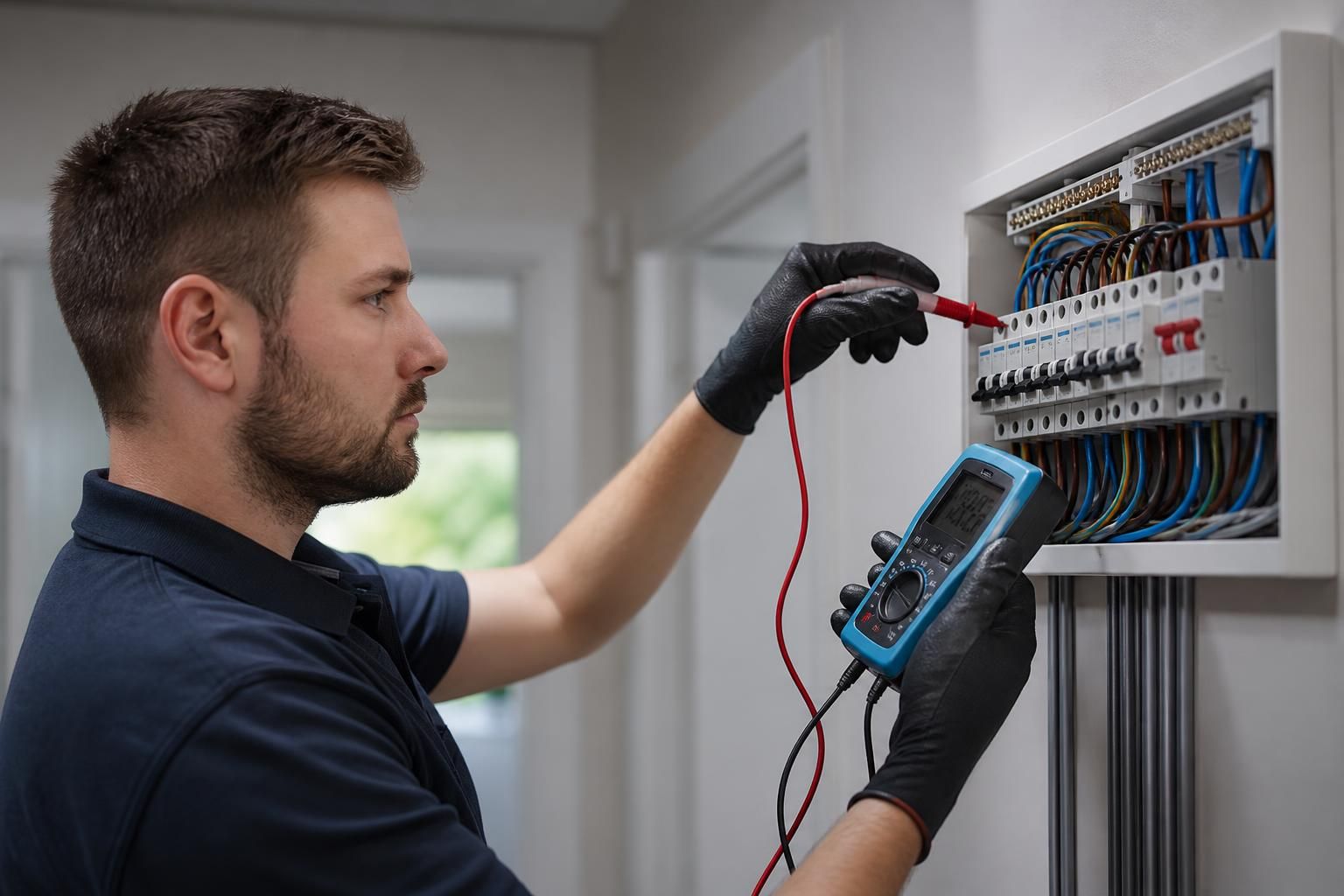
An inspection considers the fixed installation, including the consumer unit, circuits, switches, sockets, lighting points, earthing and bonding. Testing can reveal deterioration, damage, inadequate protection or unsafe alterations.
Results are recorded alongside observations on protective measures, condition and compliance, helping distinguish defects requiring attention from advisory improvements. The findings support decisions about repairs, maintenance or further investigation.
Visual Inspection
The inspection reviews accessible parts of the electrical installation for visible damage, unsuitable alterations, exposed conductors and signs of overheating.
Electrical Testing
Appropriate tests assess continuity, insulation resistance, polarity, protective conductor arrangements and the operation of protective devices.
Protective Measures
The report considers earthing, bonding, residual current protection and other safeguards intended to reduce the risk of electric shock or fire.
Observation Codes
Each significant finding is assigned a recognised classification, distinguishing dangerous conditions, defects requiring attention and recommendations for improvement.
Clear Written Report
You receive a documented record of the inspection, test results, observations and the overall condition of the domestic installation.
Actionable Recommendations
Where work is identified, the findings explain what needs further investigation, repair or improvement so the next steps can be assessed properly.
Domestic EICR Questions and Answers
How long is a domestic EICR valid?
A domestic EICR assesses fixed wiring and associated equipment in a home, documenting condition, defects and risks. It is not a guarantee that every installation fully meets all current standards.
What do C1, C2 and C3 mean on a domestic EICR?
C1 indicates danger present, requiring immediate remedial action. C2 identifies potentially dangerous conditions needing urgent attention. C3 recommends improvement, but does not indicate immediate danger or unsatisfactory safety in isolation.
What makes a domestic EICR satisfactory?
A satisfactory domestic EICR records no C1 or C2 observations, and no recommendation for further investigation. C3 improvements may remain, provided they do not indicate any immediate safety risk overall.
How much does a domestic EICR cost?
The cost of a domestic EICR depends on property size, installation complexity, accessibility and testing required. Request a written quote confirming inspection scope, report and remedial work are listed separately.
When is a domestic EICR needed?
A domestic EICR is typically needed when a property is sold, bought or rented, after material alterations or significant damage, to establish fixed installation condition before occupation and identify defects.
EICR Reports for Different Property Needs
Domestic EICR reports can address different property circumstances, from an occupied family home to a property changing ownership or use. The scope and recommendations are considered against the installation’s role, likely risks and the client’s practical priorities.
Occupied family homes
An EICR reviews the fixed electrical installation in an occupied home, including distribution boards, wiring, switches, sockets and other connected equipment. The report records any defects that may require attention while taking account of how the property is used.
Buying or selling a property
A domestic EICR can provide a clearer view of the electrical installation before a purchase or sale. It identifies the condition of the wiring and highlights coded observations, helping the relevant parties understand any remedial work that may need to be considered.
Rental properties
Landlords can use an EICR to assess the condition of a rental property's fixed wiring and retain a formal record of the inspection. Any observations are explained in the report so that required or recommended action can be planned appropriately.
Older or altered homes
Properties with older wiring, previous alterations or extensions may contain different installation methods and components. The inspection considers the installation as it exists, identifying visible concerns and defects that should be assessed against current safety requirements.
Homes with changing electrical demands
Where a property has gained additional circuits, electric heating, outbuildings or other fixed electrical equipment, an EICR can help review the wider installation. The report distinguishes observed issues from recommendations, supporting informed decisions about future electrical work.
Qualified, Insured and Accredited EICR Inspections
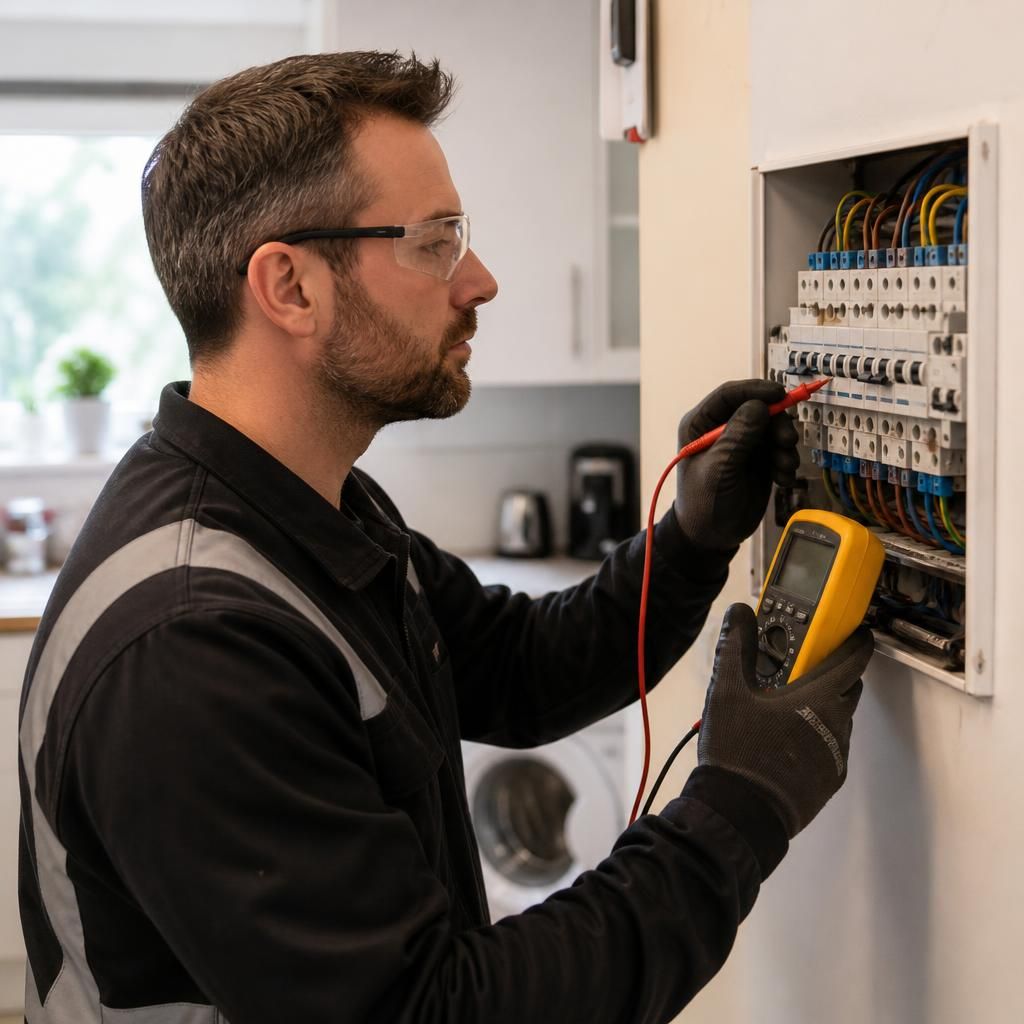
For a domestic EICR, inspection quality depends on the person carrying out the assessment and standards applied. RJW Electrical uses fully qualified engineers working to the current 18th Edition wiring regulations, so observations are assessed against recognised safety requirements, not treated as a visual check.
Engineers are insured and DBS checked, providing safeguards in occupied homes and rental properties. Membership of NAPIT, TrustMark and the Electrical Safety Register demonstrates operation within recognised professional and safety frameworks.
With 20 years’ experience across the Midlands, RJW Electrical provides clear findings, practical recommendations and usable records. Request a no-call-out-fee quote and discuss your property’s EICR requirements with the team.
Questions to Ask Before Appointing an EICR Contractor
A domestic EICR is a structured inspection and test of a property’s fixed electrical installation, resulting in a report that records its condition and any observations. Before appointing a contractor, ask what areas and circuits will be covered, whether the survey requires access to every part of the installation, and what level of testing is necessary for the property.
Confirm which standards and reporting codes will be used, how power interruptions or access requirements will be managed, and whether the contractor will explain any C1, C2 or C3 observations. Ask what documentation you will receive, whether existing equipment or protective devices need further assessment, and who is responsible for arranging remedial work, future testing and retaining the completed report.
How will the inspection be scoped?
Ask whether the inspection includes the consumer unit, fixed wiring, sockets, switches, lighting points, outbuildings and other permanently connected equipment. If parts of the installation cannot be accessed or safely tested, those limitations should be recorded clearly rather than assumed to be satisfactory. For a recently altered property, provide any available certificates or information about previous electrical work so the inspector can consider the installation as a whole.
Will existing equipment need further assessment?
Ask whether any recommendation concerns the condition, rating or suitability of existing equipment, rather than simply its age or appearance. If replacement work is suggested, request an explanation of the equipment’s purpose, compatibility with the installation and effect on protection. A contractor should identify what is necessary for safety, what is recommended as an improvement and what would require a separate quotation.
What access and testing arrangements are required?
Ask which rooms, cupboards, loft spaces, garages or external areas must be accessible and whether furniture or stored items could prevent inspection. Confirm how sensitive equipment, alarms, heating controls and other systems should be managed before power is isolated. Where a circuit cannot be tested, ask how this will affect the report and how the limitation will be documented.
How will the findings be explained?
Confirm that the completed report will identify the circuits or locations concerned, describe the observation and apply the appropriate reporting code. Ask the contractor to explain the practical meaning of any C1, C2, C3 or further-investigation finding, including whether the issue needs immediate attention or planned improvement. This gives you a sound basis for deciding whether remedial work is needed and what should be addressed first.
What happens after the report is issued?
Ask for the report in a durable format and confirm who will keep it with the property’s electrical records. If remedial work is required, establish whether it will be quoted separately and what certification will be provided when the work is complete. Discuss how future inspection needs will be considered in light of the property’s use, alterations or changes to equipment, rather than relying on an unchanged record indefinitely.
Once these points are clear, ask for a written quotation that confirms the agreed scope, access arrangements and documentation provided. Supplying details such as the property type, occupancy, known electrical issues and the reason for the inspection will help the contractor assess the work accurately.
After the inspection, retain the completed report with your property records and deal with any recommended remedial work according to its urgency. RJW Electrical can discuss your requirements and provide a no-call-out-fee quote for a domestic EICR.
Discuss Your Domestic EICR Requirements
Discuss your property, intended use and any concerns with RJW Electrical before arranging a domestic EICR. The team can clarify the appropriate scope, answer practical questions and prepare a written, no-call-out-fee quotation for the inspection.
Explore