

RJW Electrical
Industrial Electrical Services Across the Midlands
Industrial electrical services cover the design, installation, testing and maintenance of electrical systems in factories, warehouses and other operational premises. RJW Electrical applies qualified expertise to project requirements, with careful compliance supporting safe, dependable results.
Why Choose a Qualified Industrial Electrical Contractor?
Appointing a qualified industrial electrical contractor means placing design, installation and testing under accountable professional control. Being fully insured and documenting competence helps manage project risk, while workmanship aligned with wiring requirements supports safe operation across complex industrial premises.
RJW Electrical’s NAPIT, Trust Mark and Electrical Safety Register memberships support accountability, helping clients assess competence, installation quality and durability.
Design suited to the premises
Industrial systems must reflect equipment loads, operating conditions and future requirements. Careful design helps create an installation that is practical to operate and maintain.
Evidence-led testing
Inspection and testing provide documented evidence that installed systems have been assessed correctly, giving commercial clients a clearer basis for handover and future decisions.
Insurance-backed protection
A fully insured contractor provides an important layer of protection when electrical work involves valuable equipment, employees, visitors and operational premises.
Clear project accountability
Defined responsibilities, accurate records and professional documentation make it easier to establish what was designed, installed and tested throughout the project.
A clearer basis for budgeting
A no call out fee quote helps clients review the proposed electrical work and associated costs before deciding how to proceed.
Built for maintainability
Well-organised electrical installations support future inspection, fault finding and alterations, helping preserve their practical value as industrial requirements change.
A Considered Approach to Industrial Electrical Projects
Industrial electrical work benefits from coordinated planning, installation, testing and handover. RJW Electrical first considers the premises, operating requirements and intended use, allowing experienced engineers to develop a practical scope and tailored recommendations.
Clear communication keeps specifications and responsibilities understood by owners, facilities teams and contractors. Coordinated delivery supports a dependable end-to-end service, with relevant project records provided at completion.
Structured Project Planning
Each industrial project is assessed in relation to the building, electrical demand, access requirements and planned work, creating a clear basis for delivery.
Experienced Engineers
RJW Electrical’s engineers bring qualified expertise and 20 years of company experience to industrial installation, testing and compliance work.
Tailored Recommendations
Recommendations are developed around the premises and its operational needs rather than applying a standard specification to every industrial setting.
Clear Communication
Straightforward discussions help owners, facilities teams and other contractors understand the proposed scope, responsibilities and relevant project decisions.
Documented Handover
A coordinated end-to-end process includes appropriate testing information and project records to support a clear handover when the work is complete.
Practical Outcomes of Industrial Electrical Work
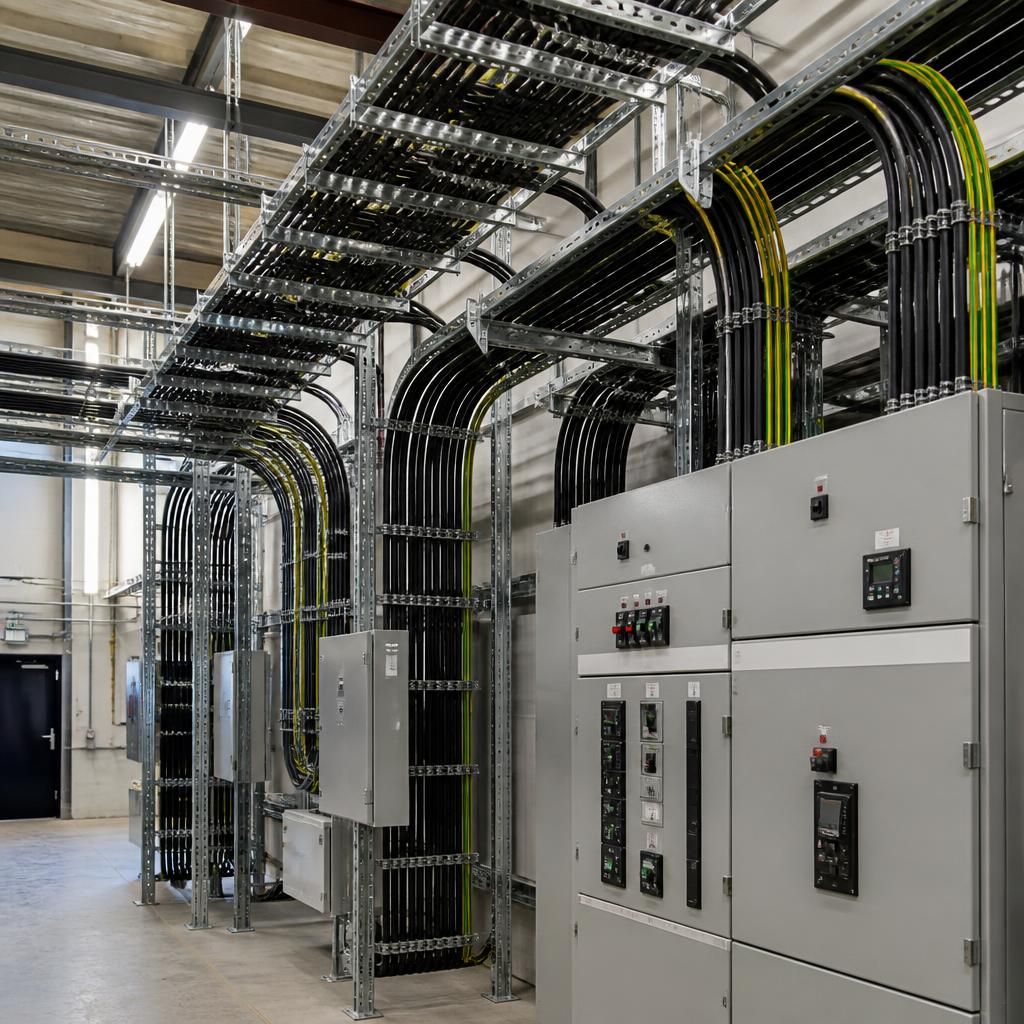
Well-designed industrial electrical systems provide stable power distribution, suitable capacity and clearly identified isolation points for machinery, production areas and supporting equipment. Logical layouts and accessible controls also make routine operation, fault finding and future alterations easier for site teams.
Professional installation, inspection and testing help demonstrate that the completed work meets applicable electrical requirements and is suitable for its intended use. Careful sequencing around operational areas can limit unnecessary interference with the premises while keeping safety controls and handover information clear.





Questions to Ask About Industrial Electrical Services
What documentation should an industrial electrical contractor provide at handover?
Ask for a defined scope, risk assessment, testing records, insurance details and competent-person evidence. Confirm responsibilities, handover documents, remedial procedures and planned maintenance arrangements before appointing an industrial electrical contractor.
What should an industrial electrical contractor assess before working around production machinery?
Assessment should cover machinery loads, starting currents, isolation points, control circuits, access, environmental conditions, hazardous areas, shutdown constraints and existing drawings, identifying risks before installation, testing or alteration work begins.
What maintenance plan should an industrial electrical contractor recommend?
A maintenance plan should define inspection intervals, cleaning requirements, thermal checks, component replacement criteria, emergency procedures and clear record ownership, with revisions after equipment changes or repeated faults are identified.
What qualifications should an industrial electrician hold?
An industrial electrician should hold relevant electrical qualifications, current 18th Edition wiring-regulation knowledge, demonstrable inspection and testing competence, appropriate site training, and experience working safely around industrial equipment and environments.
How should an industrial electrical contractor coordinate with other site trades?
Coordination should establish sequencing, access arrangements, permits, shared drawings, temporary supplies and responsibilities for interfaces, preventing clashes between electrical work, mechanical installations, builders’ work and production activities throughout the project.
Discuss Your Industrial Electrical Requirements
Discuss your industrial electrical requirements with RJW Electrical to clarify the scope, review site-specific considerations and identify any necessary assessment. You will receive clear advice on suitable next steps for your installation, testing or inspection needs.