
RJW Electrical
Electrical Fault Finding
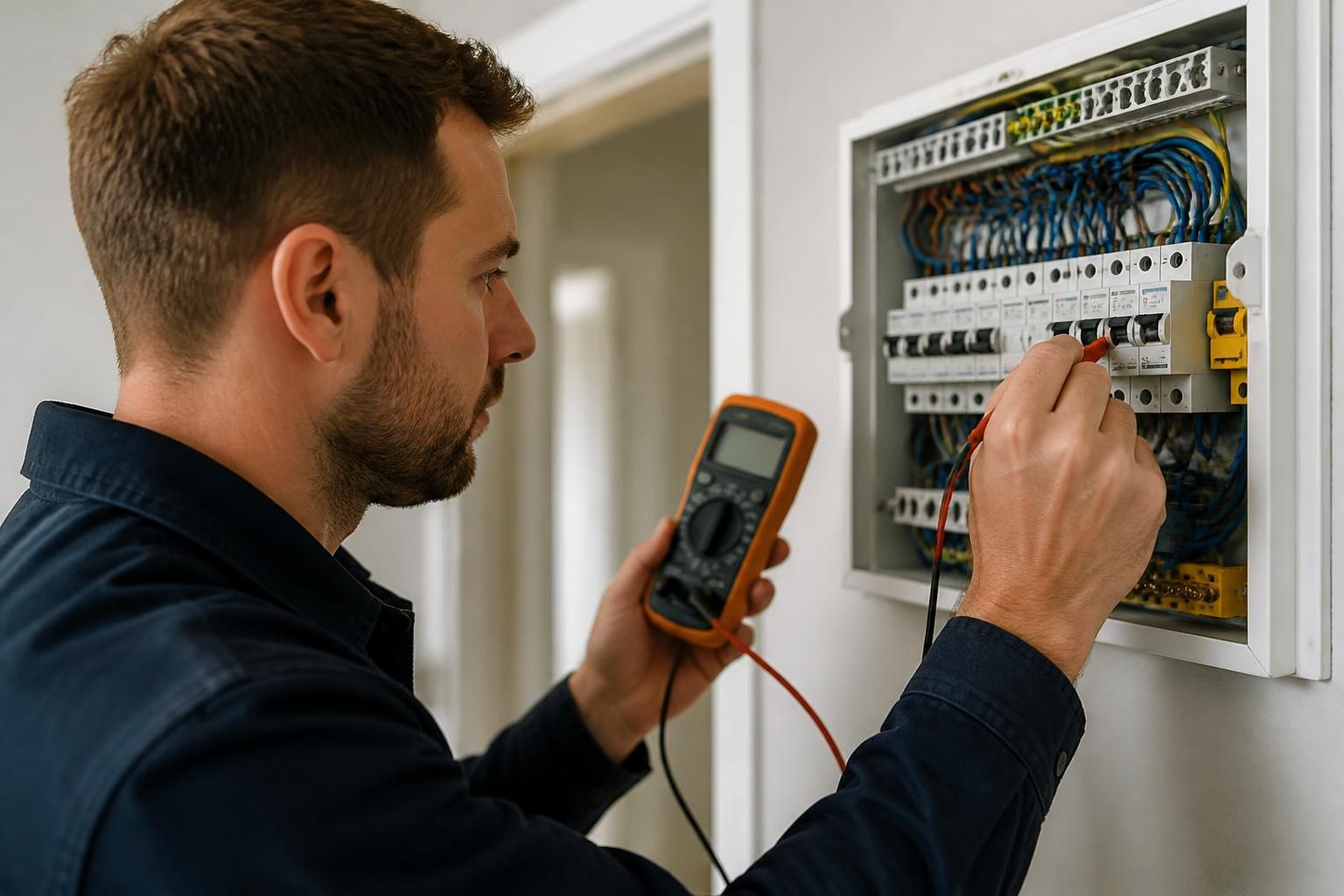
Electrical fault finding identifies the causes of tripping circuits, power loss, burning smells and other electrical problems before repairs are planned. RJW Electrical provides qualified fault-finding services across the Midlands. Contact us for a No Call Out Fee Quote.
Our Approach
Dependable workmanship, clear communication, regulatory compliance, and a straightforward route to diagnosing electrical problems safely before arranging suitable remedial work.
Fault Finding Suited to Your Property
The assessment considers wiring, accessories, the consumer unit and connected equipment to identify where a fault originates. Testing is matched to symptoms and the affected circuit, helping separate an isolated defect from a wider installation issue.
Findings are explained plainly, with recommendations shaped by safety, regulations and use of the property.
Symptoms Investigated
Investigations cover recurring trips, partial power loss, flickering lights, burning smells, unusual noises and unexplained electrical failure.
Circuit-Level Testing
Testing is selected for the reported symptoms and affected circuit, helping trace faults through wiring, accessories, the consumer unit and connected equipment.
Matched to the Property
Fault finding is adapted to the installation, whether the issue affects a domestic property, commercial premises, an individual circuit or the wider electrical system.
Safe Investigation
Electrical checks are carried out with safety in mind, identifying risks that may require isolation or remedial work before equipment is returned to use.
Clear Findings
The suspected cause, affected components and recommended next steps are explained plainly, so you can make an informed decision about repairs.
Standards-Led Advice
Recommendations take account of current wiring requirements and the condition and intended use of the installation, with work delivered by qualified RJW Electrical engineers.
Professional Electrical Fault Diagnosis for Every Property
Every investigation is handled by qualified engineers using appropriate testing methods and current 18th Edition wiring-regulation knowledge. Professional procedures support accurate diagnosis across domestic and commercial properties, with findings recorded clearly and remedial recommendations based on identified risks.
Qualified and Vetted Engineers
Fault-finding work is carried out by fully qualified, insured and DBS-checked engineers, providing a professional basis for investigating electrical defects in occupied properties and business premises.
Methodical Fault Investigation
Engineers assess reported symptoms, inspect relevant circuits and use suitable testing methods to distinguish the underlying fault from its visible effects before recommending remedial work.
Safety-Led Procedures
Investigations follow professional electrical safety procedures, helping identify risks such as damaged wiring, overheating, ineffective protection or faults affecting connected equipment.
Current Wiring-Regulation Knowledge
Knowledge of the latest 18th Edition wiring regulations supports informed assessments and ensures that any proposed electrical remedial work is considered against current requirements.
Domestic and Commercial Capability
The same structured approach can be applied to household electrical systems, offices, retail premises and other commercial environments, with the investigation focused on the installation and fault presented.
Recognised Professional Standards
RJW Electrical is a NAPIT member and part of the TrustMark scheme and Electrical Safety Register, reinforcing its commitment to competent, accountable electrical work.
Clear Findings and Recommendations
Once the investigation is complete, relevant findings can be explained clearly so property owners, landlords and commercial clients understand the issue and the next appropriate electrical repair step.
Electrical Fault Finding: Questions Answered
What information is needed before arranging electrical fault finding?
Describe the symptoms, affected rooms or equipment, recent alterations, and any visible damage. Photos, consumer-unit details, and previous reports can help establish suitable testing arrangements before the engineer attends safely.
When should I arrange electrical fault finding?
Arrange fault finding when circuits trip repeatedly, power loss recurs, lights flicker, or burning smells appear. Stop using affected equipment if unsafe, and seek professional testing to identify the cause.
What happens during electrical fault finding?
The engineer isolates the affected circuit, carries out systematic tests, checks protective devices, wiring and connections, then explains the diagnosis and suitable repair options before remedial work begins where necessary.
How is the cost of electrical fault finding assessed?
Costs are assessed from the fault’s complexity, affected circuits, access requirements and testing needed. The engineer explains findings and separates investigation charges from any remedial work identified before work proceeds.
Can electrical fault finding identify intermittent electrical problems?
Yes, testing can locate intermittent faults by monitoring circuits, checking connections, and examining protective devices. Record when symptoms occur, as patterns may help the engineer reproduce conditions safely during testing.
What to Expect During Electrical Fault Finding
Electrical fault finding is a structured investigation of the affected circuit or equipment, with hazards identified and test results explained before any remedial work is agreed. This gives domestic and commercial customers a clear basis for deciding what needs to happen next.
RJW Electrical’s engineers are insured and DBS-checked, and the company is a member of NAPIT, the TrustMark scheme and the Electrical Safety Register. Customers receive a No Call Out Fee Quote, with the proposed work and workmanship expectations explained clearly before proceeding.
Safety-led investigation
The investigation focuses on the affected circuit or equipment while considering related hazards such as damaged cables, overheating, moisture or faulty connections. Where safe access is not possible, the issue is explained before any further action is recommended. Customers should not remove covers, handle exposed conductors or repeatedly reset a tripping circuit while waiting for professional assessment.
Clear explanation of findings
The report or explanation can distinguish between a faulty appliance, a circuit problem and a wider installation issue where the testing supports that conclusion. Any recommended repair is linked to the condition found, helping customers understand what requires attention and what decisions need to be made next.
Defined remedial work
Recommendations are based on the evidence gathered during the investigation, rather than assumptions about the cause of the fault. The proposed scope, relevant safety considerations and workmanship expectations are set out so domestic and commercial customers can decide how to proceed with a clear understanding of the work involved.
Professional workmanship records
Relevant observations, test outcomes and remedial recommendations are communicated to the customer in a structured way. Keeping the findings connected to the affected circuit or equipment helps reduce uncertainty and gives future electrical work a more reliable starting point.
To arrange an investigation, provide the symptoms you have noticed, such as repeated tripping, loss of power, heat, noise or visible damage, and identify any affected rooms or equipment. Do not remove covers or attempt repairs yourself.
If there is smoke, sparking, a burning smell or unusual heat, stop using the affected circuit and isolate the supply only if it is safe to do so. RJW Electrical can then assess the electrical fault and explain the appropriate next step.
Discuss Your Electrical Fault
Contact RJW Electrical to discuss the symptoms, property type, affected circuit or equipment, and any relevant access details. The team can review your information, clarify the next practical step, and arrange an electrical fault-finding assessment.