

RJW Electrical
Industrial Three-Phase Installation
Industrial three-phase installation provides the coordinated power, protection and distribution required by larger electrical systems. RJW Electrical plans and delivers compliant installations for commercial and industrial premises, with qualified engineers applying careful design, testing and documentation throughout each project.
The Value of Qualified Three-Phase Installation
Qualified contractors bring accountable workmanship to industrial three-phase installation, from cable terminations and protective devices to testing. Their competence helps align design and construction decisions with electrical safety requirements.
RJW Electrical is fully insured, a NAPIT member and part of the TrustMark scheme and Electrical Safety Register. Clear documentation and verification support future maintenance, alterations and compliance reviews.
Measured workmanship
Accurate cable sizing, routing, terminations and protective-device selection help create a three-phase installation that is technically coherent and maintainable.
Accredited competence
RJW Electrical’s NAPIT membership, TrustMark status and Electrical Safety Register membership provide clear indicators of recognised professional standards.
Insured accountability
A fully insured contractor gives the client a defined point of responsibility for the installation work and its supporting records.
Compliance evidence
Inspection, testing and complete documentation provide evidence that the installation has been verified against applicable electrical safety requirements.
Long-term serviceability
Careful installation records and consistent workmanship support future maintenance, equipment changes and compliance reviews across the premises.
A Planned, Project-Specific Approach
Industrial three-phase installation is a project-specific process for designing, coordinating and verifying power distribution, protection and equipment connections. Design should reflect site demand, available capacity, operating conditions and planned expansion, rather than a standard arrangement.
RJW Electrical provides clear recommendations, explains design decisions and coordinates installation through testing and handover, maintaining dependable communication at each stage.
Demand and Capacity Considered
RJW Electrical assesses connected loads, supply capacity, distribution routes and future equipment requirements before recommending an industrial three-phase arrangement.
Experienced Electrical Engineers
Qualified engineers apply practical knowledge of industrial power systems, helping ensure that equipment connections, protective devices and distribution components are selected appropriately.
Recommendations Matched to the Site
Each installation is shaped around the premises, operating conditions and intended use, avoiding unsuitable standardised solutions where the site requires a different configuration.
Compliance Built Into the Work
Installation methods and protective measures are aligned with current 18th edition wiring regulations, with RJW Electrical’s NAPIT and TrustMark membership providing relevant professional assurance.
Coordinated System Integration
Three-phase supplies, distribution equipment and connected plant are considered as one system, supporting safe coordination between the incoming supply and downstream circuits.
Clear Records at Handover
Practical documentation gives the responsible person a clear record of the completed installation, relevant verification and information needed for future electrical management.
Performance, Compliance and Practical Usability
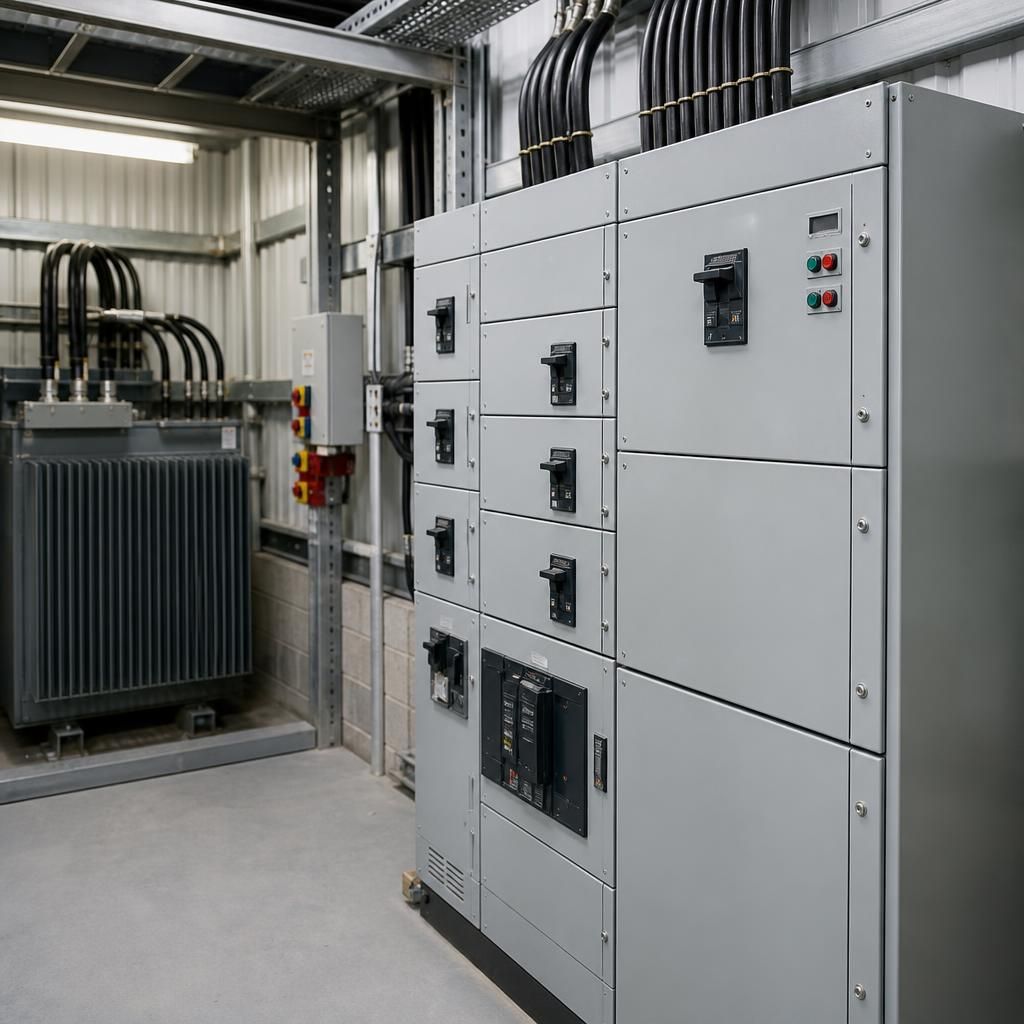
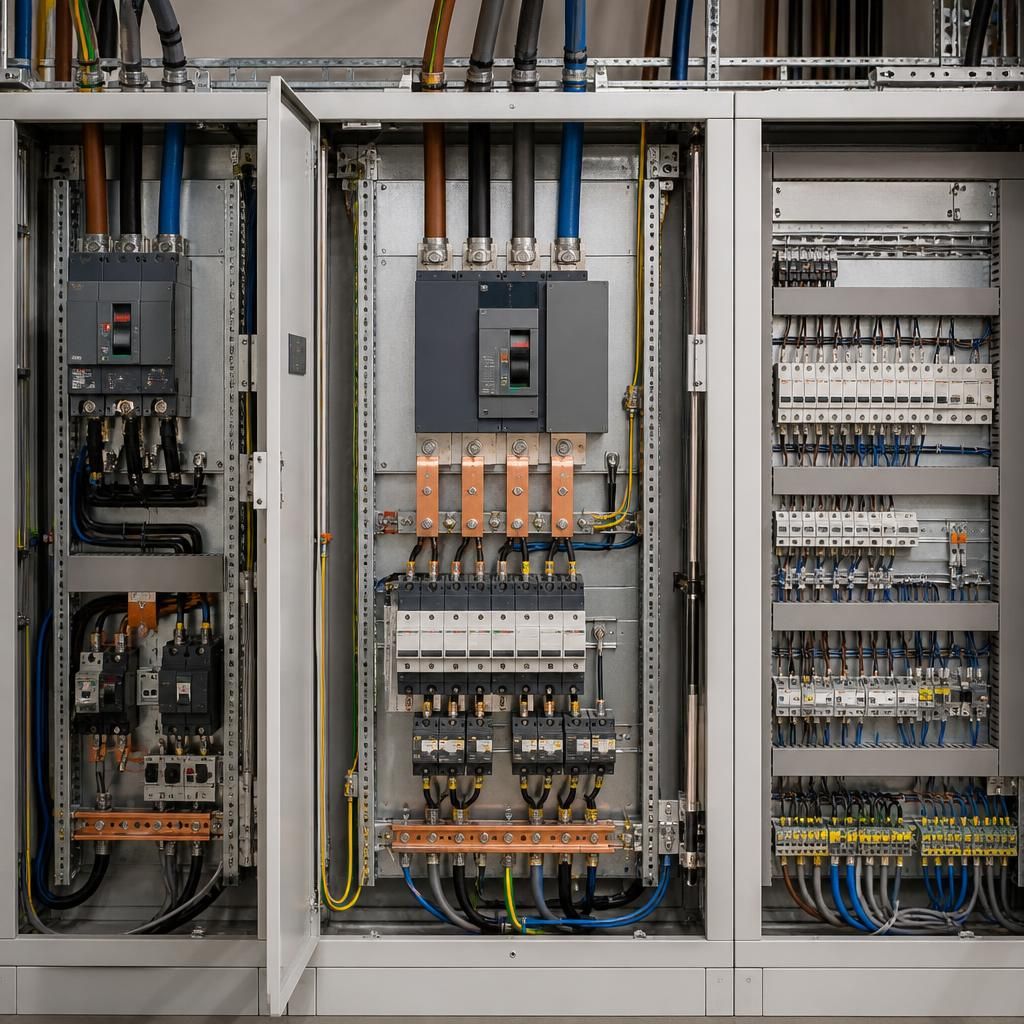
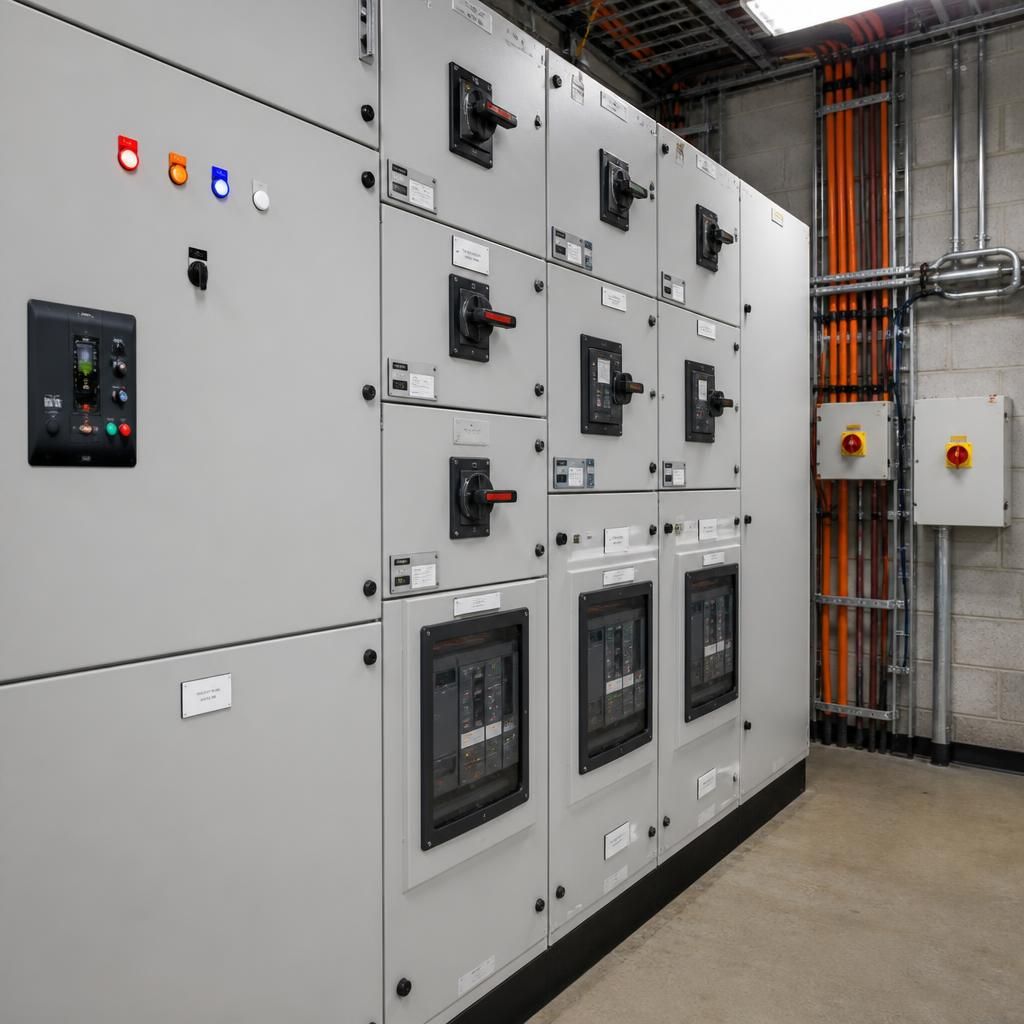
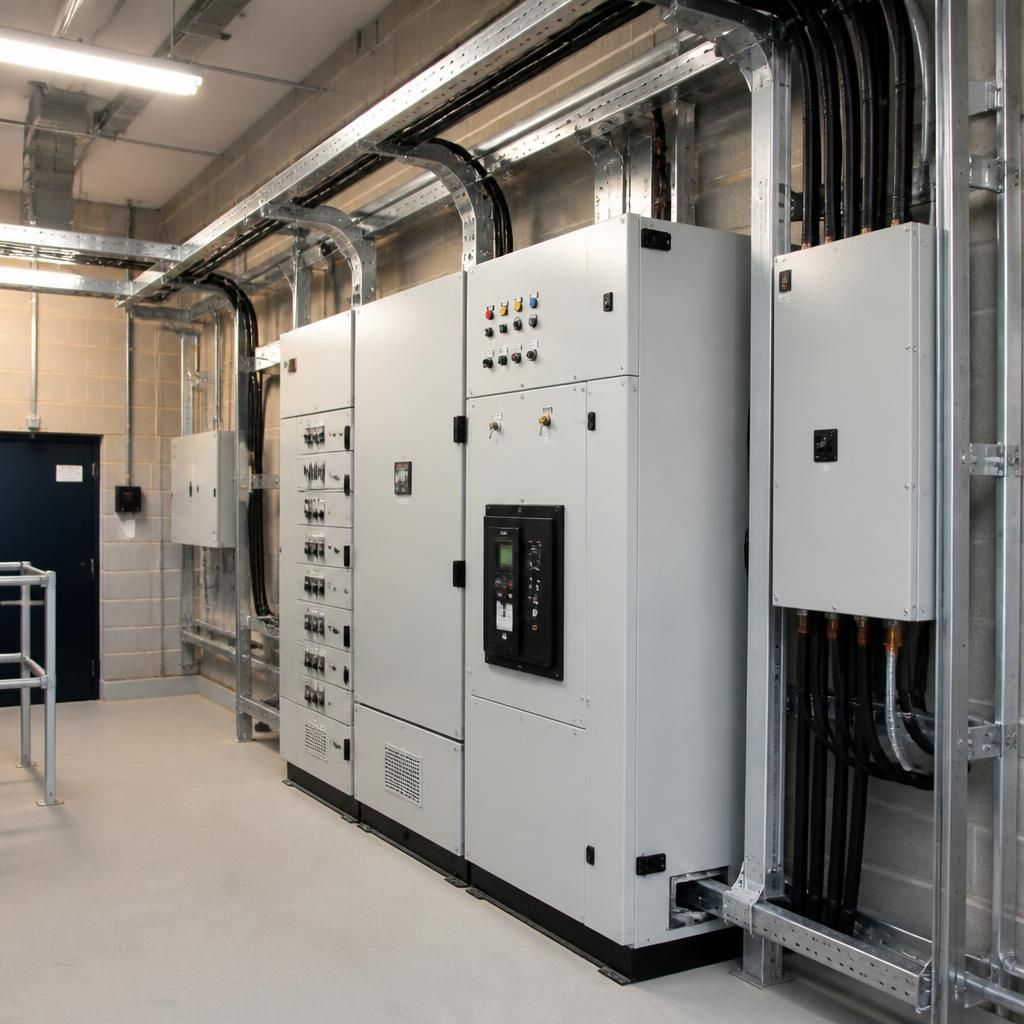
A well-designed industrial three-phase installation provides clearly identified circuits, accessible isolation points and organised distribution equipment, making routine operation, maintenance and future alterations easier to manage. Correct phase allocation and appropriate protective devices also support stable performance across connected loads.
Professional testing, labelling and handover records give the responsible person evidence that the installation has been assessed against relevant requirements. Careful sequencing, coordination with site personnel and controlled work areas can help limit disruption while the new equipment is installed and commissioned.

Questions to Ask Before Appointing an Industrial Three-Phase Contractor
What qualifications should an industrial three-phase installation contractor hold?
Ask for evidence of relevant industrial experience, design responsibility, calculated load assessments, protective-device coordination, testing procedures, certification, insurance, and a clear handover package covering drawings, schedules and documented test results.
What should an industrial three-phase installation quotation include?
An itemised quotation should define the proposed equipment, installation scope, design assumptions, access requirements, testing, certification, exclusions, project stages and costs, enabling clear comparison between contractors and avoiding uncertain variations.
What testing should an industrial three-phase installation contractor complete before handover?
Before handover, testing should cover continuity, insulation resistance, polarity, earth fault loop impedance, protective-device operation, phase sequence and functional performance, with results recorded in certification and handover documents for review.
How should an industrial three-phase installation integrate with existing electrical infrastructure?
Integration should begin with a survey of existing switchgear, cables, earthing and available capacity. The design can define interfaces, isolation arrangements, upgrade requirements and phased work without compromising established circuits.
What ongoing maintenance support should an industrial three-phase installation contractor provide?
Ongoing maintenance should include planned inspections, thermal checks, cleaning, torque verification, fault review and condition reporting. Contractors should explain intervals, remedial recommendations, isolation requirements and records retained for responsible person.
Discuss Your Industrial Three-Phase Installation
Discuss your site’s load requirements, existing distribution equipment and proposed programme with RJW Electrical. A site assessment can establish the appropriate installation approach, while a clear quotation sets out the recommended work and next steps.