
RJW Electrical
When is a domestic EICR needed?
A domestic EICR is legally required for rented properties at least every five years, and when required by the applicable tenancy arrangements; for an owner-occupied home, it is not generally compulsory but is advisable where the installation is older, has been altered, or its safety is uncertain. It is also useful when buying or selling a property, following electrical faults, or before major refurbishment to identify defects and confirm the condition of the wiring.
An Electrical Installation Condition Report (EICR) is a formal assessment of the fixed electrical installation in a property. It examines whether the wiring, accessories and protective equipment are in a satisfactory condition for continued use at the time of inspection. It is different from a visual check, an electrical installation certificate for new work, or a portable appliance test.
What does a domestic EICR examine?
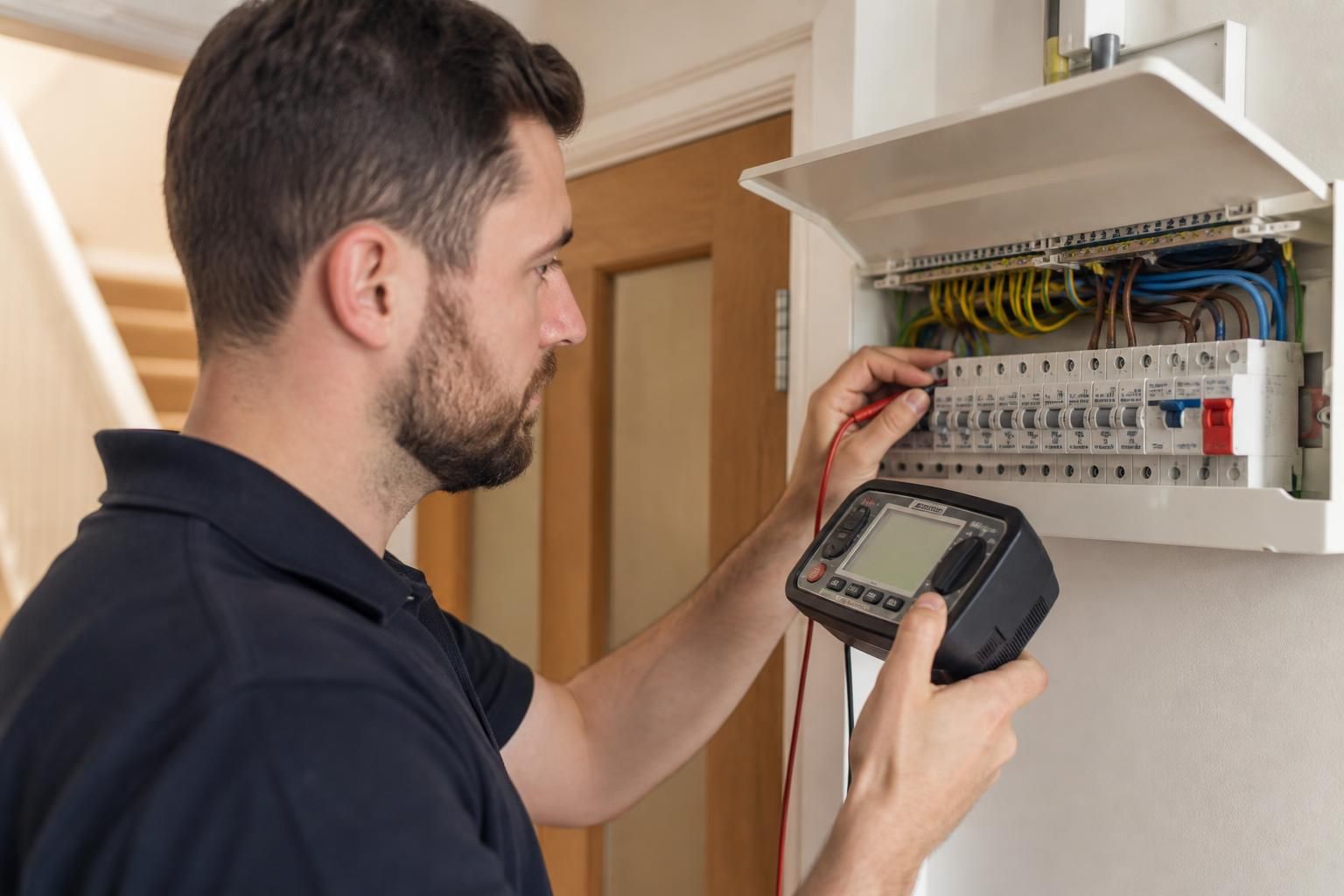
The inspector normally assesses accessible parts of the installation, including the consumer unit, earthing and bonding, socket outlets, switches, lighting points and visible cabling. Electrical tests are used to check matters such as continuity, insulation resistance, polarity and the operation of protective devices. The inspection may also identify signs of overheating, damage, unsuitable alterations, inadequate protection or deterioration caused by age or environmental conditions.
An EICR is not normally an instruction to remove every cable or open every wall. Its findings are based on the condition and accessibility of the installation during the inspection. Concealed defects may not be identified unless there is a reason to investigate them further, so the report should be read alongside any known history of electrical work or previous faults.
How are EICR findings classified?
- C1 – danger present: an immediate risk that requires urgent attention.
- C2 – potentially dangerous: a defect that could create danger and should be remedied promptly.
- C3 – improvement recommended: the installation does not necessarily present immediate danger, but improvement would raise its standard.
- FI – further investigation required: more detailed investigation is needed before the condition can be properly assessed.
A report is generally recorded as satisfactory only where no C1, C2 or FI observations remain unresolved. A C3 observation does not, by itself, mean that the installation has failed. The report should explain the observation, identify the affected circuit or equipment where possible, and state whether further work is recommended.
What happens after an unsatisfactory report?
The next step is to understand the individual observations rather than assuming that a complete rewire is required. Some findings may be resolved by replacing a damaged accessory, correcting a connection, improving earthing or bonding, or repairing a particular circuit. Other findings may require more extensive investigation or alterations. Remedial work should be carried out by a suitably qualified electrician, followed by appropriate testing and certification.
Where an EICR has been commissioned for a rented property, the person responsible for the installation should retain the report and provide copies to the relevant tenants or other parties in accordance with the current legal requirements and tenancy arrangements. Any work completed as a result should be supported by suitable electrical certification and kept with the property records.
How long is an EICR valid?
An EICR does not make an installation safe indefinitely and it does not replace ongoing attention to electrical defects. Its conclusion applies to the condition found on the inspection date. The appropriate interval before another inspection depends on factors such as the type and use of the property, the age and condition of the installation, environmental conditions, and any changes made since the previous report. The inspector should record a recommended date or interval where appropriate.
A further inspection should also be considered if there are unexplained tripping problems, burning smells, heat or discolouration around accessories, damaged equipment, exposed conductors or signs that the installation has been interfered with. These symptoms should not be left until a routine inspection, particularly where there is a risk of electric shock or fire.
What affects the cost?
The price of an EICR depends on the size and complexity of the property, the number of circuits, the accessibility of the installation and the condition of the consumer unit and wiring. If testing reveals a defect, the cost of remedial work is normally separate from the inspection. Further investigation can also affect the final cost where an observation cannot be safely assessed during the initial report.
A clear quotation should distinguish the inspection itself from any recommended repairs. RJW Electrical can provide a quote without a call-out fee, allowing the scope of the work and any separate remedial requirements to be understood before proceeding.
Before arranging an EICR, it is useful to provide any previous reports, certificates, details of alterations and information about known electrical symptoms. This helps the inspector understand the installation's history and identify areas that may need particular attention.
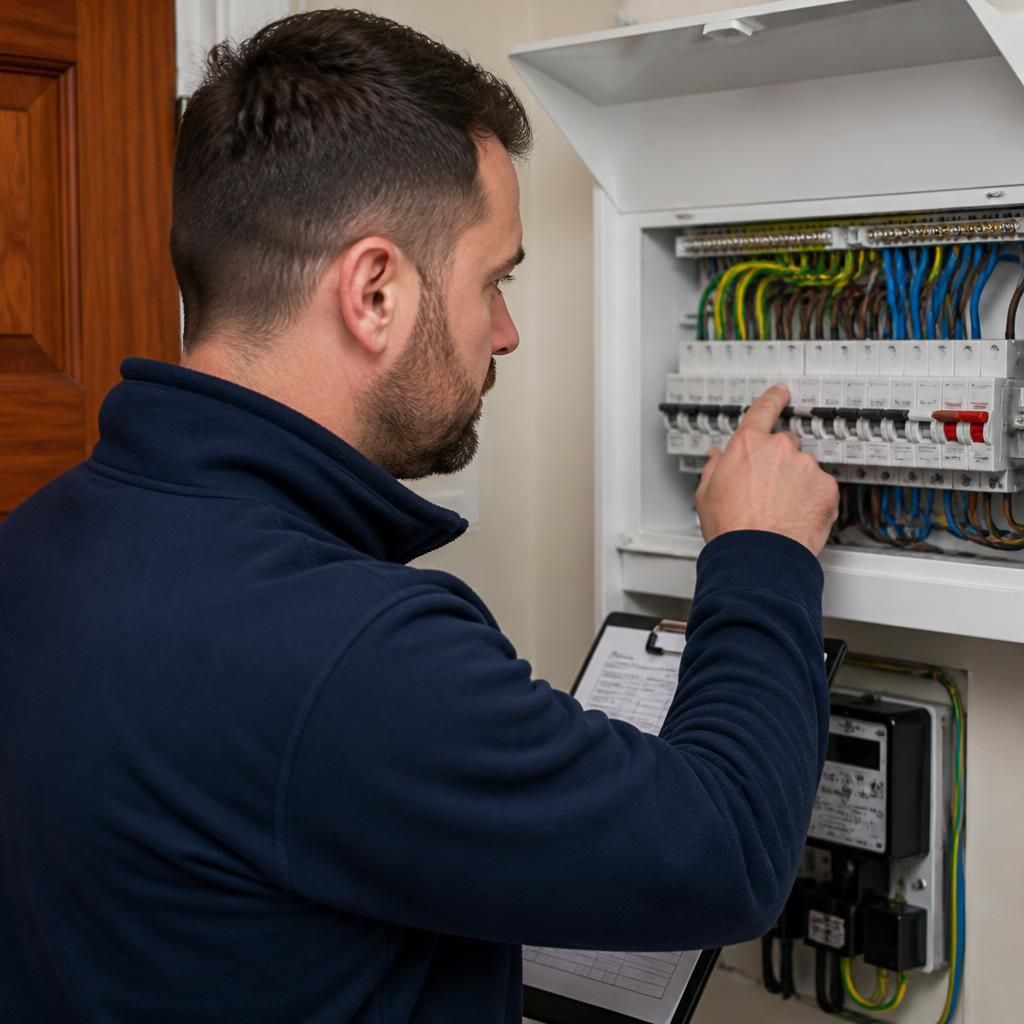
For a privately rented home, an EICR is part of the landlord’s electrical safety records rather than a one-off document. If the report identifies urgent or potentially dangerous defects, the landlord must arrange appropriate remedial work and retain evidence of what was done. A follow-up inspection or testing may be needed where repairs alter a circuit or where the original report required further investigation.
When reviewing a property file, check the report date, the recommended date for the next inspection and whether any observations remain outstanding. A report should relate to the installation in its current condition; later alterations, additions or repairs may need separate certification and can affect when further inspection is appropriate.
Arrange a domestic EICR assessment
If you are unsure whether your property needs an EICR, contact RJW Electrical to discuss the installation and arrange an assessment suited to its age, condition and use.