
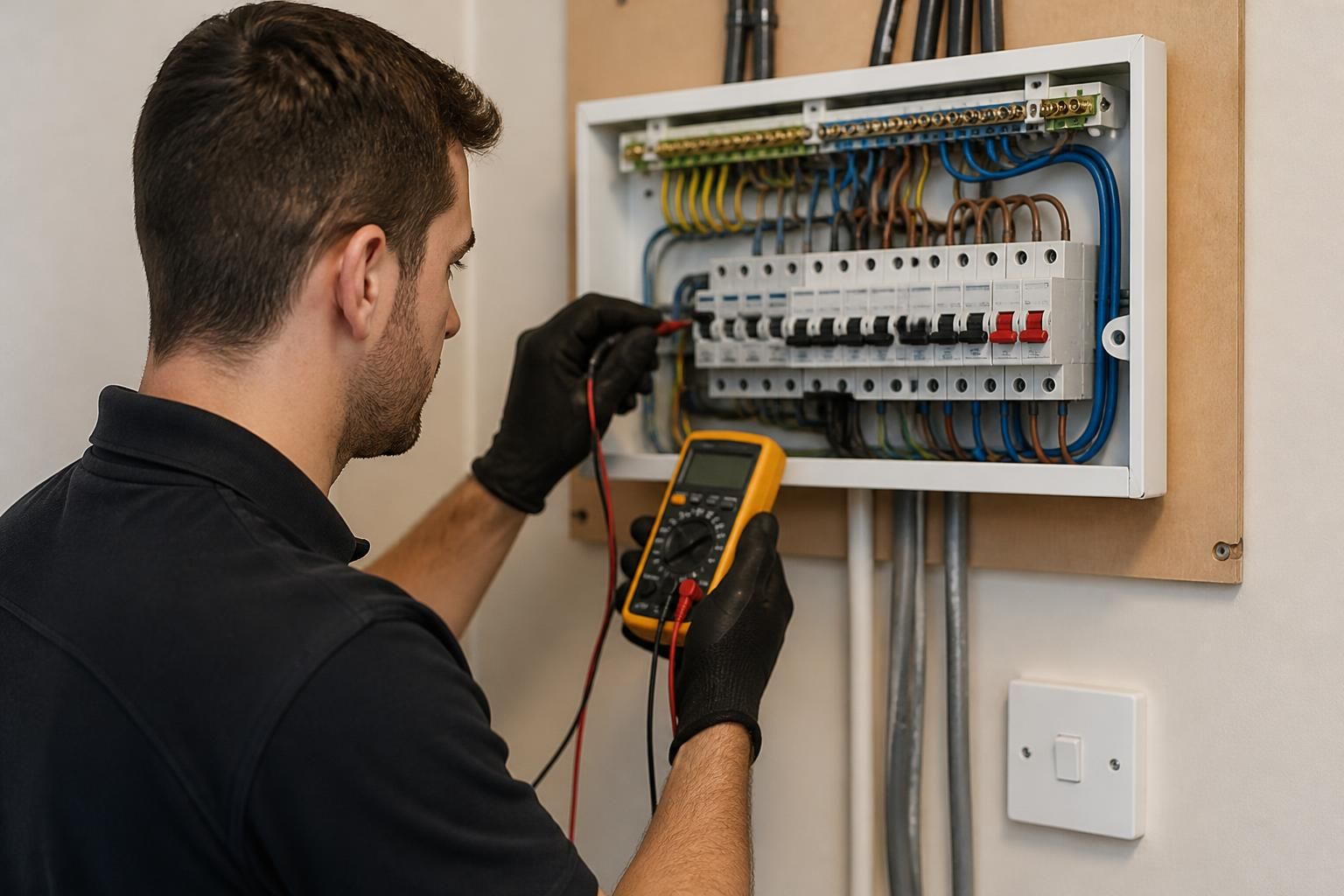
RJW Electrical
What makes a domestic EICR satisfactory?
A domestic EICR is satisfactory when the inspection and testing find no dangerous or potentially dangerous defects requiring urgent action. The report may include recommendations coded C3, but any C1 (danger present), C2 (potentially dangerous) or FI (further investigation required) finding normally makes the overall assessment unsatisfactory.
A satisfactory domestic EICR records that the electrical installation is safe for continued use at the time of inspection. This conclusion is reached by combining a visual examination with appropriate electrical tests, reviewing the results against the requirements of BS 7671 that apply to the installation, and assessing whether any observed defect presents a meaningful risk.
The main factors considered include:
- Condition of wiring and accessories: cables, sockets, switches, consumer units and connection points should be suitably installed, secure and free from signs of overheating, damage or deterioration.
- Protection against electric shock: earthing, bonding, polarity and automatic disconnection arrangements must provide appropriate protection for the property.
- Protective devices: circuit breakers, fuses and residual current devices (RCDs) are checked for suitability, correct operation and coordination with the circuits they protect.
- Insulation and circuit performance: testing may assess insulation resistance, continuity, polarity and other characteristics to identify faults that are not visible during the inspection.
- Special locations and risks: areas such as bathrooms, kitchens, garages and outdoor installations require particular consideration because moisture, heat or physical exposure can increase electrical risk.
The inspector records observations using the appropriate classification code. A report can still be satisfactory where it includes C3 recommendations, because these identify improvements that are advisable rather than defects requiring immediate corrective work. By contrast, a C1 or C2 observation affects the overall outcome, while an FI code indicates that the available inspection and testing could not establish whether a potentially significant problem exists.
A satisfactory result does not mean that every part of the installation is new or that it matches the standard for a modern installation in every detail. Electrical installations are assessed in relation to their age, design and condition. Older wiring may therefore remain acceptable where it is safe, adequately protected and functioning as intended. The report should make clear any limitations, areas that could not be accessed, and matters that should be monitored or improved.
The completed EICR should contain the installation details, extent and limitations of the inspection, test results, observations, classification codes and the inspector's overall assessment. Test readings should support the conclusions rather than the report relying solely on a visual check. Where a defect is found, the electrician may need to investigate further before deciding whether remedial work is required.
If remedial work is carried out, the relevant circuit or installation should be retested and the paperwork should reflect what has been corrected. A satisfactory EICR is therefore based on documented evidence that the installation can be used safely, not simply on the presence of a certificate or the apparent age of the electrical equipment.
For a clear interpretation, check the observations and classification codes rather than relying only on the word “satisfactory”. A qualified electrician can explain the significance of each finding, distinguish essential remedial work from recommendations, and identify any limitations that may affect the reliability of the assessment.
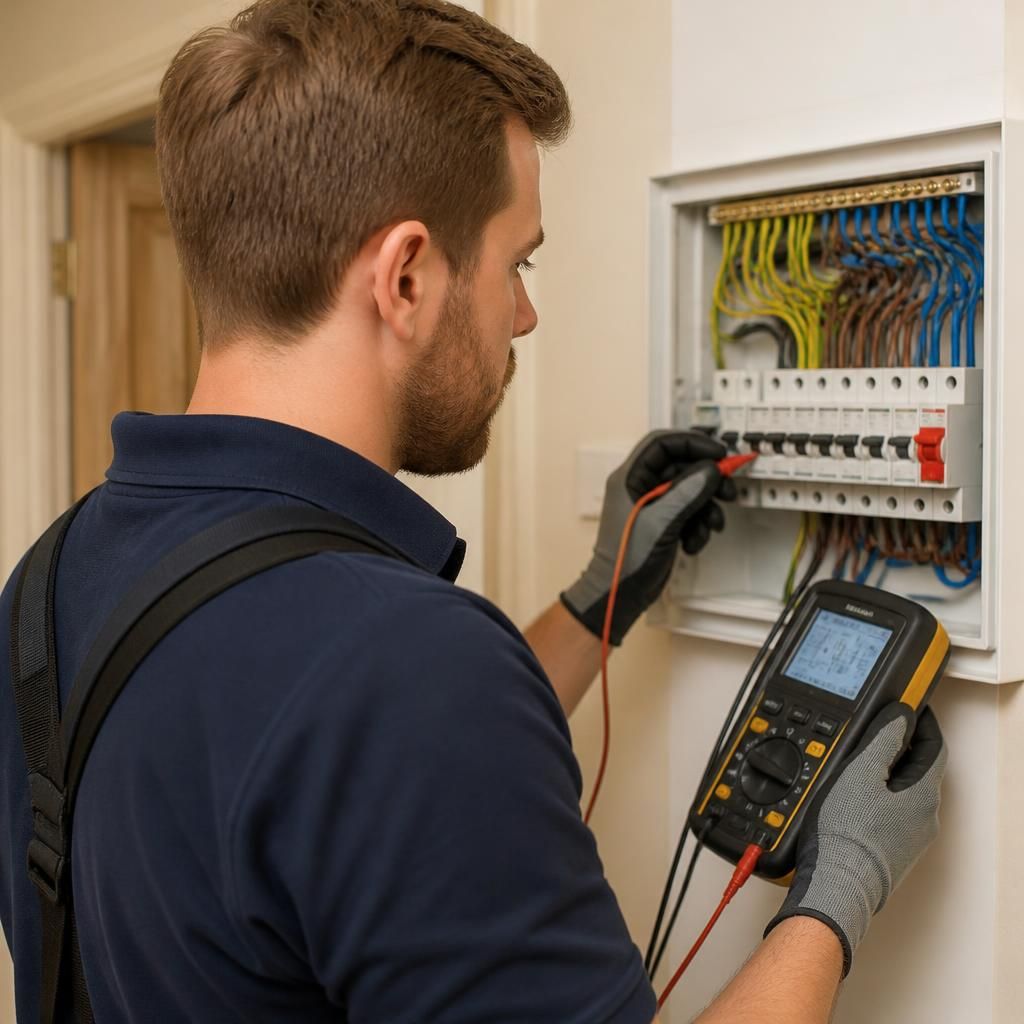
A satisfactory domestic EICR also depends on the inspection covering the relevant parts of the installation. The electrician should be able to access the consumer unit, fixed wiring, accessories and other areas containing electrical equipment. The homeowner should also mention known faults, recent alterations, intermittent problems or equipment that has previously overheated, as these details can affect the inspection and testing required.
If an important area or circuit cannot be accessed or tested, the report should record that restriction clearly. In that situation, the word “satisfactory” must be read alongside the stated limitations, because it describes the parts examined rather than confirming the condition of electrical work that could not be assessed.
Need help interpreting your domestic EICR?
If you need help interpreting an EICR or arranging a domestic inspection, contact RJW Electrical for an expert assessment and quote.