
RJW Electrical
What is 2391 inspection and testing?
2391 inspection and testing refers to the City & Guilds qualification that demonstrates competence in inspecting, testing and verifying electrical installations. A qualified electrician uses these skills to assess an installation, identify defects, carry out the required electrical tests and record the results accurately.
2391 inspection and testing is a recognised City & Guilds qualification covering the inspection, testing and verification of electrical installations. It is intended for electricians who need to assess whether an installation is safe, identify faults or non-compliances, perform appropriate tests and document their findings in a technically accurate way.
The qualification demonstrates knowledge and practical ability, but it is not an electrical certificate in its own right. A person who holds a 2391 qualification may use their competence when carrying out inspection and testing, while the installation itself still needs the correct report or certificate for the work being assessed.
What does 2391 inspection and testing involve?
Inspection and testing are related but separate parts of the assessment process. Inspection involves examining the installation and its components without relying solely on test instruments. This can include checking the condition of cables, accessories, distribution boards, protective devices, earthing and bonding, identification labels, enclosures and evidence of damage or alteration.
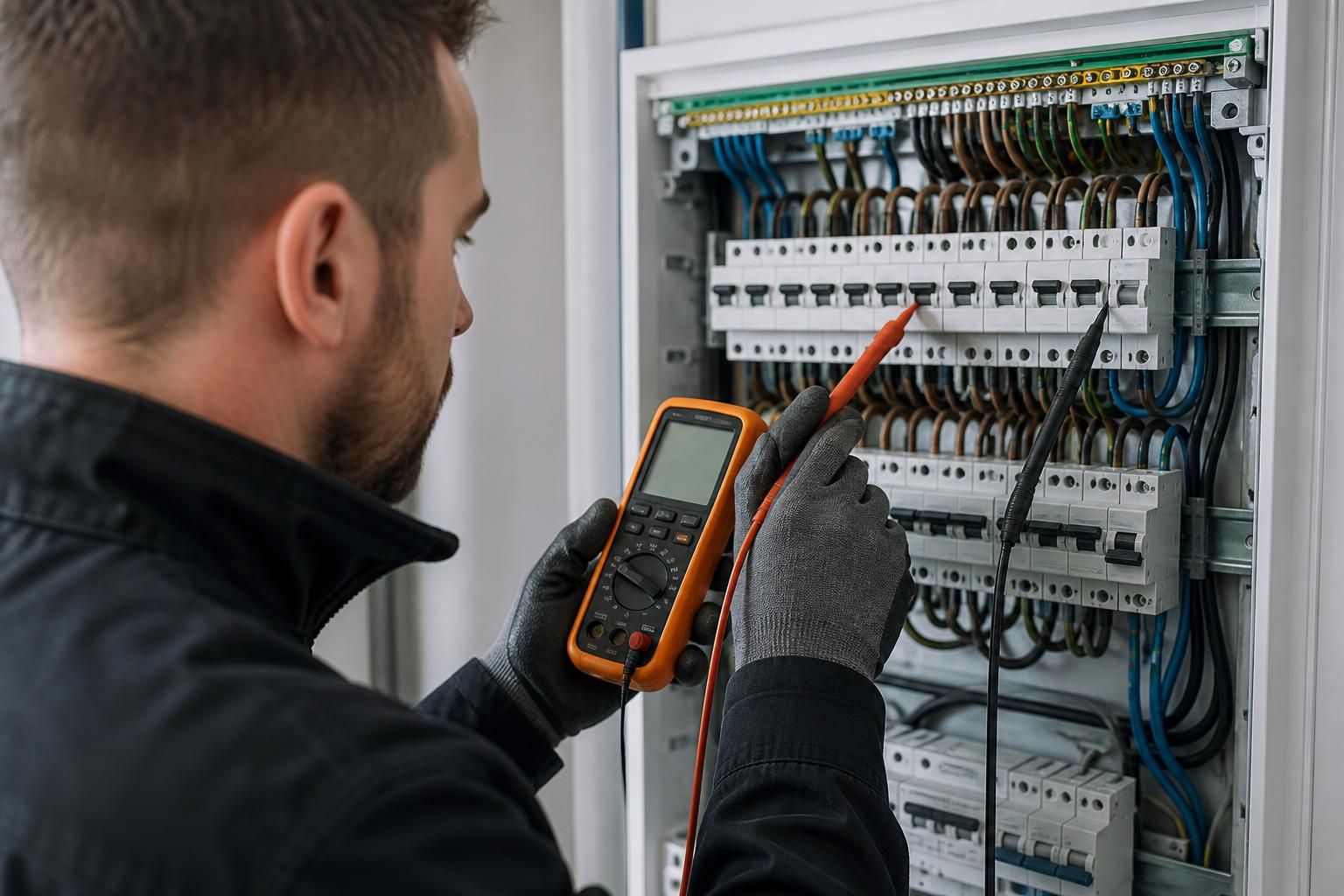
Testing uses suitable instruments and controlled procedures to establish whether the installation performs safely. Depending on the type and purpose of the assessment, testing may include:
- Continuity of protective conductors and circuit protective conductors
- Continuity of ring final circuit conductors
- Insulation resistance
- Polarity
- Earth fault loop impedance
- Prospective fault current
- Operation of residual current devices where fitted
- Functional checks on relevant equipment and protective devices
Not every test is suitable in every circumstance. For example, a test may need to be modified or omitted if it could damage sensitive equipment or create an unacceptable risk. A competent inspector should record the approach taken and explain any limitations rather than treating every installation as though it has the same design and equipment.
What is the purpose of the qualification?
2391 training helps an electrician understand how to select appropriate tests, use test instruments correctly, interpret readings and compare the results with the requirements applicable to the installation. It also covers the importance of safe isolation, risk assessment, test sequences and accurate documentation.
Interpreting a result is just as important as obtaining it. A reading that appears unusual may indicate a loose connection, damaged insulation, an earthing problem, an incorrect protective device or another defect. The inspector needs to consider the circuit design, the installation conditions and the limitations of the instrument before deciding what action is required.
How is a 2391 inspection carried out?
- Establish the scope: The inspector identifies what is being assessed, gathers available information about the installation and considers its age, use and previous alterations.
- Make the installation safe: Appropriate precautions are taken before covers are removed or circuits are isolated. Where necessary, affected equipment is identified so that testing does not cause avoidable damage or disruption.
- Complete the visual inspection: The installation is examined for damage, deterioration, unsuitable components, exposed live parts, poor workmanship and other conditions that could affect safety.
- Carry out relevant tests: Tests are performed in a planned sequence using suitable, calibrated instruments and in accordance with the requirements applying to the assessment.
- Assess the findings: Test results are considered alongside the visual inspection. Defects are categorised according to their significance, and further investigation is recommended where the available evidence is insufficient.
- Record the outcome: The results, limitations, observations and any remedial recommendations are entered into the appropriate documentation.
Does 2391 provide an EICR or electrical certificate?
No. 2391 is evidence of an individual's inspection and testing competence; it is not the name of the report issued to the client. An Electrical Installation Condition Report, or EICR, records the condition of an existing installation at the time of inspection. An Electrical Installation Certificate, or EIC, is generally associated with a new installation, an addition or an alteration for which the relevant installation work has been completed.
The correct document depends on the work and the reason for the assessment. A periodic condition assessment should not be presented as an installation certificate, and a qualification should not be treated as proof that every part of an installation complies without an appropriate inspection and test being completed.
How are faults reported?
Where an inspection identifies a potentially unsafe condition, the report should describe the observation clearly and assign an appropriate classification. Common EICR classifications include C1 for danger present, C2 for a potentially dangerous condition, C3 where improvement is recommended, and FI where further investigation is required. The classification should reflect the actual condition found rather than being used to make a report appear more serious or more reassuring than the evidence supports.
A satisfactory outcome does not mean that an installation is perfect or that no future maintenance will be needed. It means that, based on the agreed scope and the conditions identified at the time, no observation requiring an unsatisfactory classification has been recorded. Any limitations to access, testing or available information should also be taken into account.
Who may need a 2391-qualified electrician?
2391 competence is particularly relevant where an installation needs a detailed condition assessment, periodic inspection, verification after alteration or testing as part of a wider electrical project. This can include domestic properties, rental accommodation, offices, retail premises, industrial units and other commercial environments.
For businesses, inspection and testing can form part of an electrical maintenance programme or support evidence that an installation has been assessed. Landlords may require an EICR to meet applicable legal and management responsibilities. Homeowners may seek an assessment when buying or selling a property, after significant alterations or where the age and condition of the electrical system are uncertain. The required inspection frequency and documentation depend on the installation, its use and the relevant duties applying to the person responsible for it.
What should you check before arranging an inspection?
- Confirm the exact scope, including whether the assessment covers the whole installation or selected circuits.
- Ask what report or certificate will be issued after the work.
- Provide any existing diagrams, previous reports and details of known alterations or equipment.
- Identify areas or equipment that may not be accessible for inspection.
- Make sure the person carrying out the work has suitable inspection and testing competence for the installation being assessed.
- Allow for remedial work or further investigation if defects are found; inspection itself does not automatically include repairs.
RJW Electrical carries out electrical inspection and testing for domestic and commercial clients across the Midlands, including Sutton Coldfield, Streetly, Walmley, Erdington, Lichfield, Aldridge, Walsall and Shenstone. Its engineers are qualified, insured and DBS-checked, with work carried out in line with the 18th edition wiring regulations. As a NAPIT and TrustMark member listed on the Electrical Safety Register, RJW Electrical can explain which assessment and documentation are appropriate for the installation concerned.
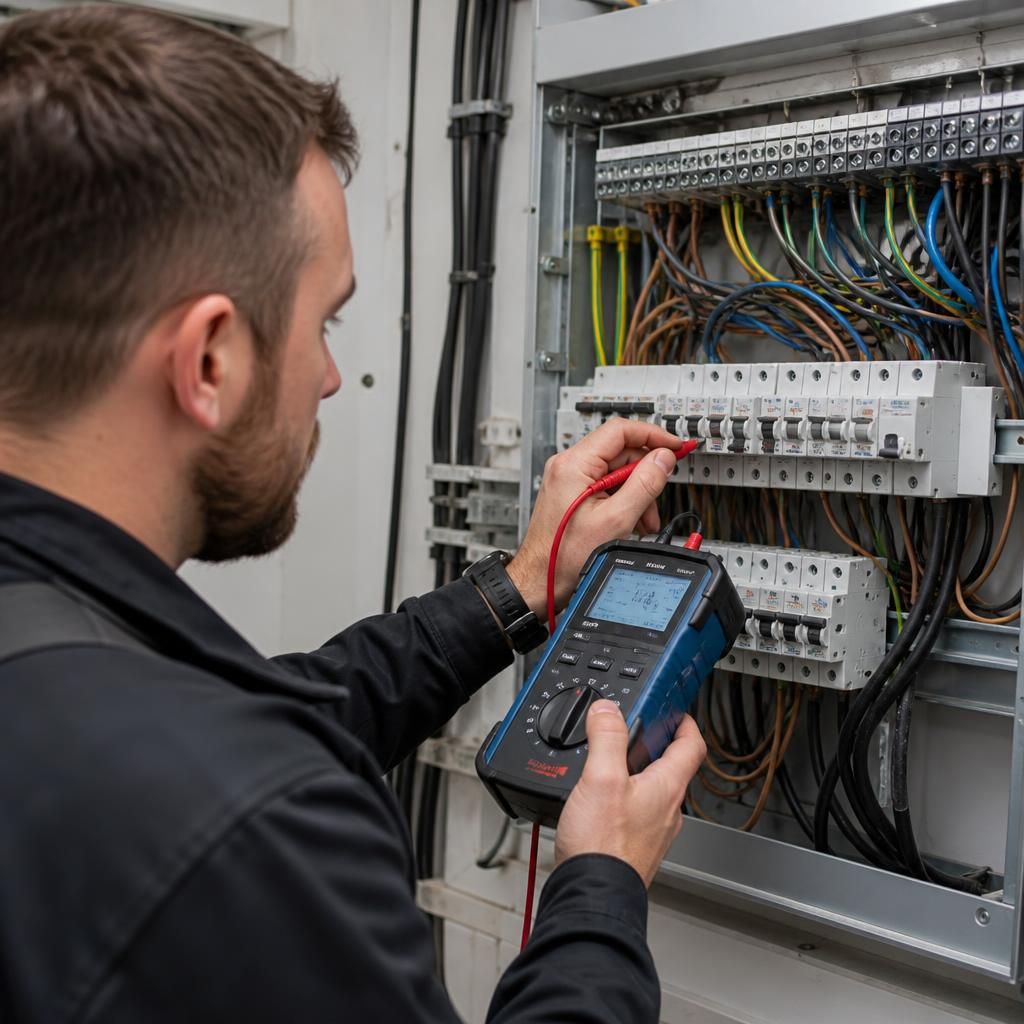
A 2391 inspection assesses the safety and condition of an installation as found; it does not automatically require an older installation to be rebuilt to the latest wiring standard. The inspector considers the installation’s age, design, intended use and condition, then determines whether any observed issue presents a safety concern or requires further investigation.
Age alone is not evidence of failure. However, deterioration, unsafe alterations, inadequate protection or damage may justify remedial work even where the installation was acceptable when originally installed. This distinction helps ensure that findings from a 2391 inspection are based on identifiable risks rather than on the installation’s age in isolation.
Discuss your 2391 inspection and testing requirements
If you are unsure which inspection or report your installation requires, discuss the scope with RJW Electrical before arranging the work. The team can provide a no call out fee quote based on your requirements.