
RJW Electrical
When is a commercial electrical installation condition report required?
There is no single statutory interval for every commercial electrical installation, but the Electricity at Work Regulations require electrical systems to be maintained so they remain safe, which commonly involves periodic inspection and testing recorded in a commercial EICR. An inspection may also be required after changes to the installation, a change of use, suspected damage, or as a condition of a lease, insurer or other duty holder.
A commercial electrical installation condition report (EICR) is required when the person responsible for a workplace or commercial property needs documented evidence that the fixed electrical installation is safe for continued use. It is normally arranged as part of a planned inspection programme, with the timing based on the installation’s condition, use, environment and the recommendations recorded on the previous report.
The duty to maintain electrical systems applies to the installation as a whole, including distribution boards, fixed wiring, socket outlets, switches, lighting circuits, protective devices and other permanently connected equipment. Under the Electricity at Work Regulations, the responsible person must take reasonably practicable steps to prevent danger. An EICR is one of the main ways to assess whether deterioration, faults or unsafe alterations require attention.
Situations in which a commercial EICR is commonly required include:
- At the inspection interval recommended by the previous EICR or by the person responsible for the installation.
- Before a property is occupied by a new business, particularly where the condition of the existing wiring is unknown.
- When a business, landlord, managing agent, insurer or lease requires current inspection evidence.
- Following significant electrical alterations, refurbishment or an extension to the installation, where the existing condition also needs to be assessed.
- Where there has been water ingress, fire, impact, overheating, electrical damage or another event that may have affected the wiring.
- When the nature of the business changes, such as a conversion to a workshop, catering premises, office, retail unit or other environment with different electrical demands.
- When there are signs of deterioration, recurring faults, unexplained tripping, damaged accessories, overheating or concerns raised by staff and occupants.
The appropriate interval is influenced by factors such as the age and type of installation, the intensity of use, the condition of equipment, the presence of heat, moisture, dust or corrosive substances, and whether the premises are accessible to members of the public. A low-use office and a demanding industrial environment should not automatically be treated in the same way. The previous report should therefore be reviewed rather than relying on a generic date.
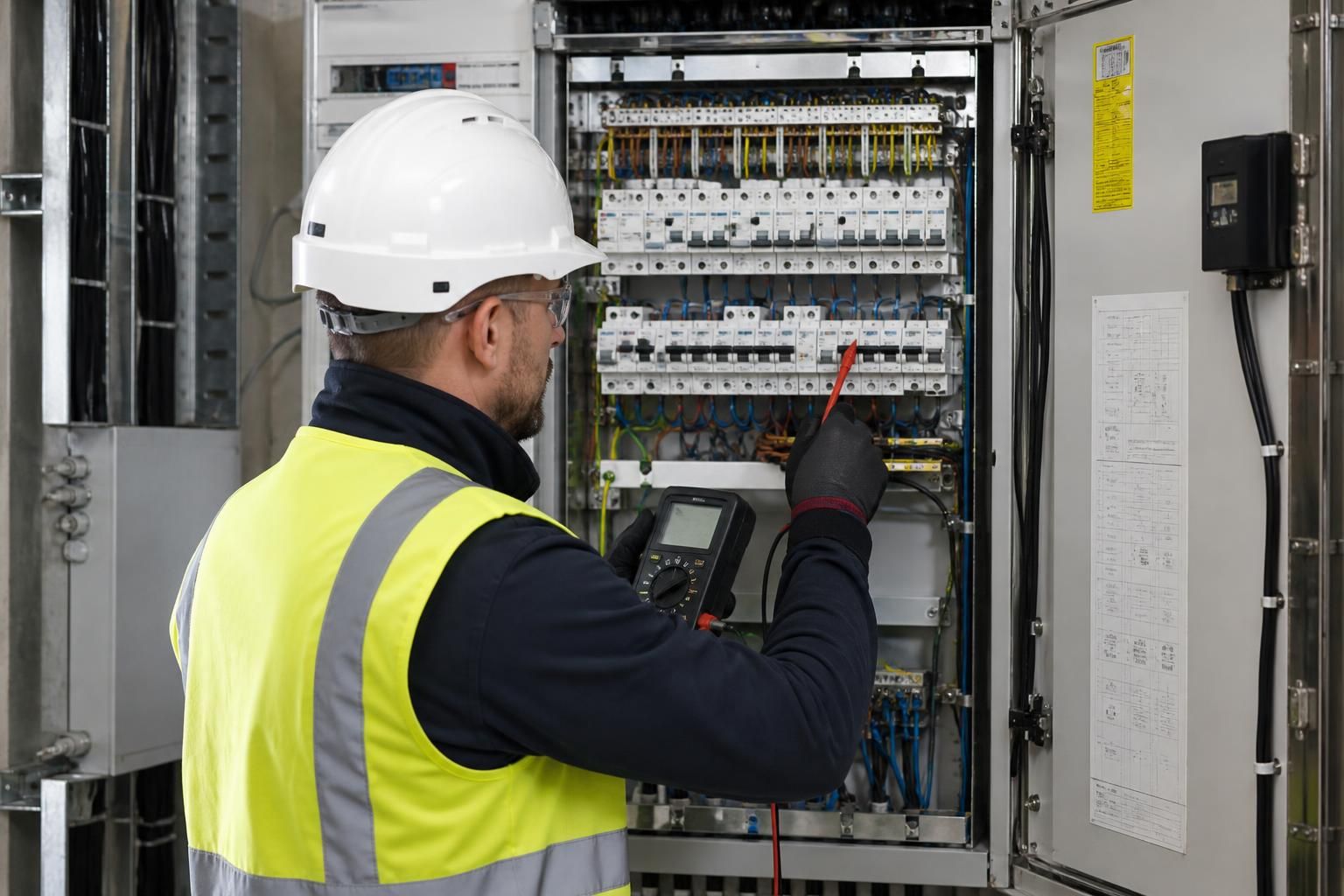
An EICR involves a visual inspection and electrical testing of accessible parts of the fixed installation. The inspector may examine the consumer unit or distribution boards, confirm the suitability of protective measures, test circuits and protective conductors, and identify signs of damage, wear, overloading or poor workmanship. The inspection should be planned so that relevant areas and circuits can be made available safely.
The report records observations using classifications that indicate the significance of each issue. A dangerous condition requires immediate attention. A defect that presents a potential danger should be dealt with promptly, while other observations may identify improvement work or limitations affecting the inspection. The report should be read in full: a satisfactory overall result does not remove the need to address separately listed recommendations, and an unsatisfactory result does not by itself explain the extent or cost of remedial work.
Where defects are found, the duty holder should establish what work is necessary, ensure it is completed by a suitably competent electrician and retain evidence of the remedial action. Depending on the work involved, this may include a minor works certificate, an electrical installation certificate or a further inspection confirming that reported defects have been addressed. An EICR should not be used as a substitute for routine visual checks, planned maintenance or safe systems of work.
Businesses should keep the current report with previous inspection records, certificates for alterations and evidence of remedial work. These documents help demonstrate how the installation has been managed over time and support decisions about the next inspection. RJW Electrical carries out commercial electrical testing and certification for businesses across Sutton Coldfield, Streetly, Walmley, Erdington, Lichfield, Aldridge, Walsall, Shenstone and the wider Midlands, with reports based on the condition and use of the installation.
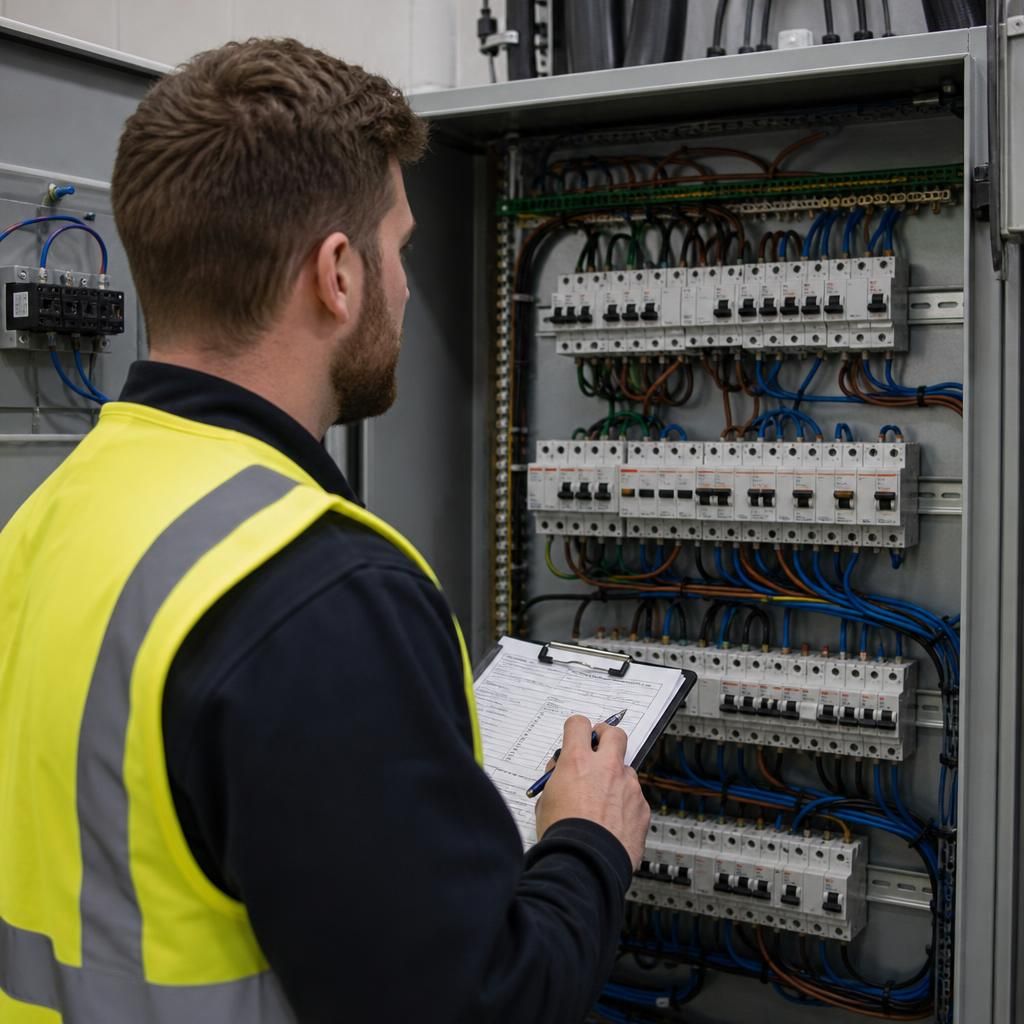
A commercial EICR assesses the condition of an existing fixed electrical installation; it is not the certificate normally issued for new installation work. New circuits, consumer units, or substantial alterations should generally be supported by an Electrical Installation Certificate, while smaller defined works may be recorded on a Minor Works Certificate. An EICR may still be appropriate alongside those certificates when the wider existing installation also needs periodic assessment.
Keeping the certificates together helps distinguish the original condition of the installation from later improvements. This gives the responsible person a clearer record of what work was completed, which parts were inspected, and when a further condition report should be considered.
Discuss Your Commercial EICR Requirements
Contact RJW Electrical to discuss your commercial EICR requirements and identify the appropriate next step for your premises. Providing the previous report, details of any alterations and information about the building’s use can help inform the assessment.