
RJW Electrical
Which electrical service is suitable for my property?
The right electrical service depends on your property type, the condition of its existing installation and what you need the system to do. Options may include a new installation or upgrade, inspection and testing, lighting, security, vehicle charging or another specialist electrical service.
The suitable electrical service is determined by the property’s use, the condition and capacity of its existing installation, and the equipment you need to power, control or protect. A home may need a partial upgrade or additional circuits, while a commercial premises may require planned installation work, inspection, emergency lighting, access controls or electrical provision for specialist equipment.
Start with the property’s purpose. Domestic electrical work is generally planned around safe everyday use, improvements to comfort and the addition of equipment such as lighting, electric vehicle charging points or security systems. Commercial work must also account for staff, visitors, tenants, machinery, operating procedures and the effect of electrical work on business activities. Shops, offices, workshops, industrial units and communal buildings can therefore require different designs even where the requested outcome appears similar.
- For a new build, extension or major alteration: an electrical installation service is appropriate. This may include the consumer unit, cabling, sockets, switches, lighting, fixed appliances, external supplies and dedicated circuits. Electrical requirements should be considered before building work is completed so that cable routes, mounting positions and capacity can be incorporated properly.
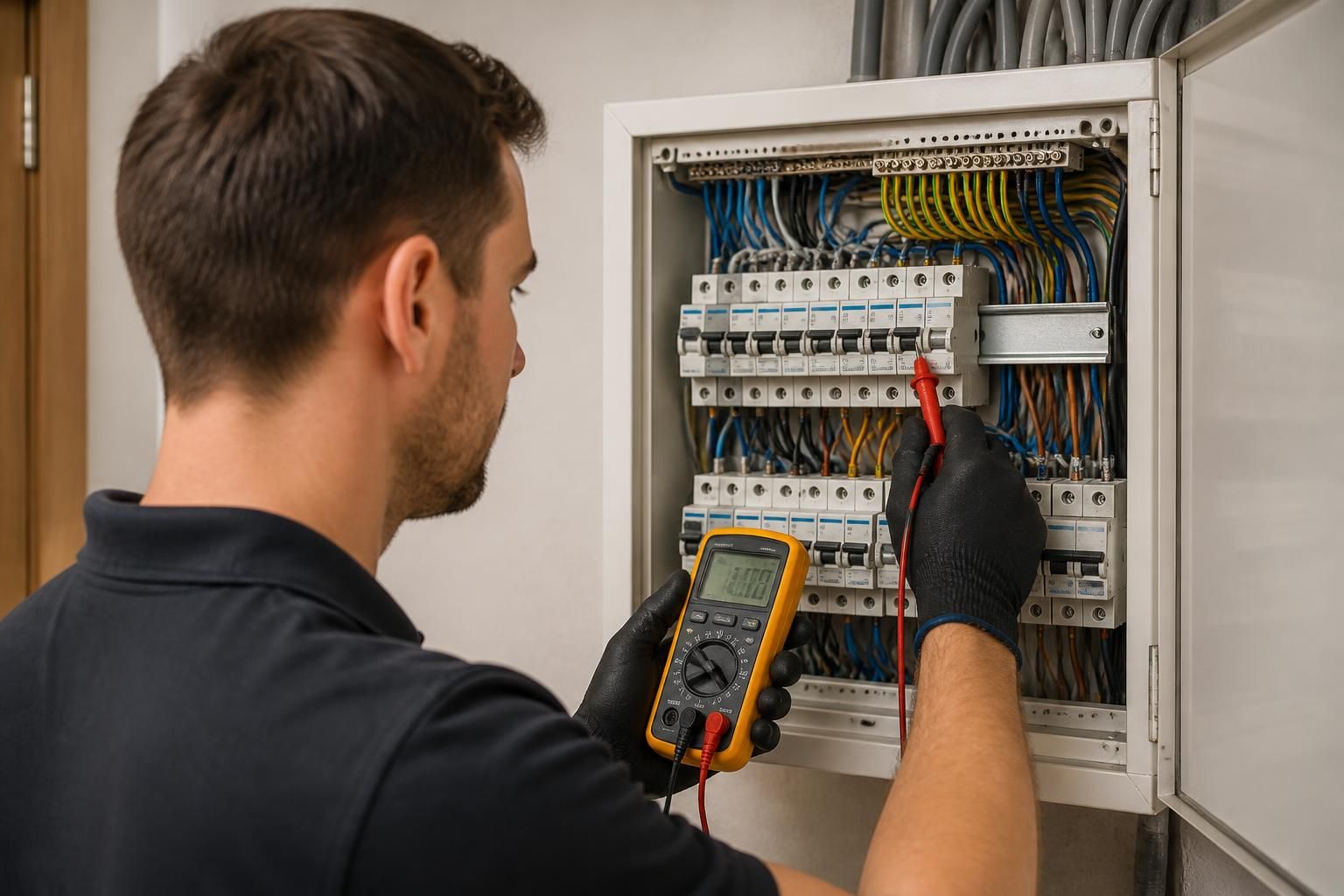
- For an older, altered or uncertain installation: inspection and testing can establish its condition. This is useful before buying or letting a property, following a refurbishment, when records are missing, or when additional equipment is being considered. Testing is not the same as repairing; it provides evidence about the installation and identifies defects that may need attention.
- For recurring trips, damaged accessories, heat, burning smells, buzzing or visible cable damage: professional fault investigation is more suitable than adding another accessory or repeatedly resetting protective devices. The cause may involve a circuit, connection, appliance or distribution equipment, and should be identified before deciding whether repair or replacement is appropriate.
- For improved visibility or appearance: a lighting service can cover replacement fittings, new lighting layouts, controls, exterior lighting and task lighting. The correct approach depends on the room or outdoor area, the purpose of the light, mounting positions, switching requirements and compatibility with the existing wiring.
- For protection, monitoring or controlled access: security system work may be relevant. The required solution depends on whether the priority is intrusion detection, cameras, access control, alarms or a combination. Power supplies, data routes, equipment positions and links with other building systems should be assessed together.
- For charging an electric vehicle: a vehicle-charging assessment should consider the available electrical capacity, the proposed charger position, cable route, parking arrangement and any need for protective equipment or load management. The existing installation may need improvement before a charging point can be added.
- For generating or managing electricity: solar panel work may be suitable where the property’s structure, electrical system and energy requirements support it. This should be considered as an integrated electrical project rather than simply a matter of fixing panels to a roof, because generation equipment, controls, protection and connections must work safely with the installation.
Consider whether the requirement is a repair, replacement or upgrade. A repair may be suitable where a particular fault can be safely corrected without changing the wider installation. Replacement may be more appropriate where equipment is damaged, obsolete or unsuitable for its use. An upgrade is usually considered when the system remains operational but lacks the capacity, protection, circuits or controls needed for planned changes. Testing and inspection can help distinguish between these options.
Check the installation’s capacity before adding demand. New showers, cookers, heating equipment, workshops, office equipment, charging points and other high-load items can affect the suitability of the consumer unit, protective devices and existing circuits. The fact that a spare socket or physical space is available does not necessarily mean that the installation can safely support the proposed load.
Separate fixed electrical work from connected technology. Smart-home controls, television and audio-visual equipment, data cabling and security devices may interact with the electrical installation, but they do not all have the same design requirements. Decide whether you need power, lighting control, network connectivity, equipment mounting, distribution of signals or a combination. Planning these elements together can avoid unsuitable cable routes and duplicated work.
For commercial premises, include the way the building is operated. The service selection should take account of areas with restricted access, equipment that must remain powered, landlord or tenant responsibilities, planned alterations, inspection records and any requirements for staff or public safety. A commercial installation may need a staged approach so that work can be coordinated with the building’s use, although the scope should be agreed specifically for the property rather than assumed from its size.
Ask for the proposed scope to be clear. A useful quotation or specification should identify the areas and circuits included, the equipment or accessories covered, testing arrangements, any exclusions, and work that may depend on opening up walls, ceilings or other parts of the building. It should also distinguish between remedial work that is necessary for safety and optional improvements that support future use.
RJW Electrical can assess domestic and commercial requirements and match the work to the property rather than treating every enquiry as the same type of installation. Its electrical services include installation, inspection and testing, lighting, security, vehicle charging and related specialist work. A professional assessment is particularly important where the property is older, the installation has been extended over time, records are incomplete, or the planned equipment will add significant electrical demand.
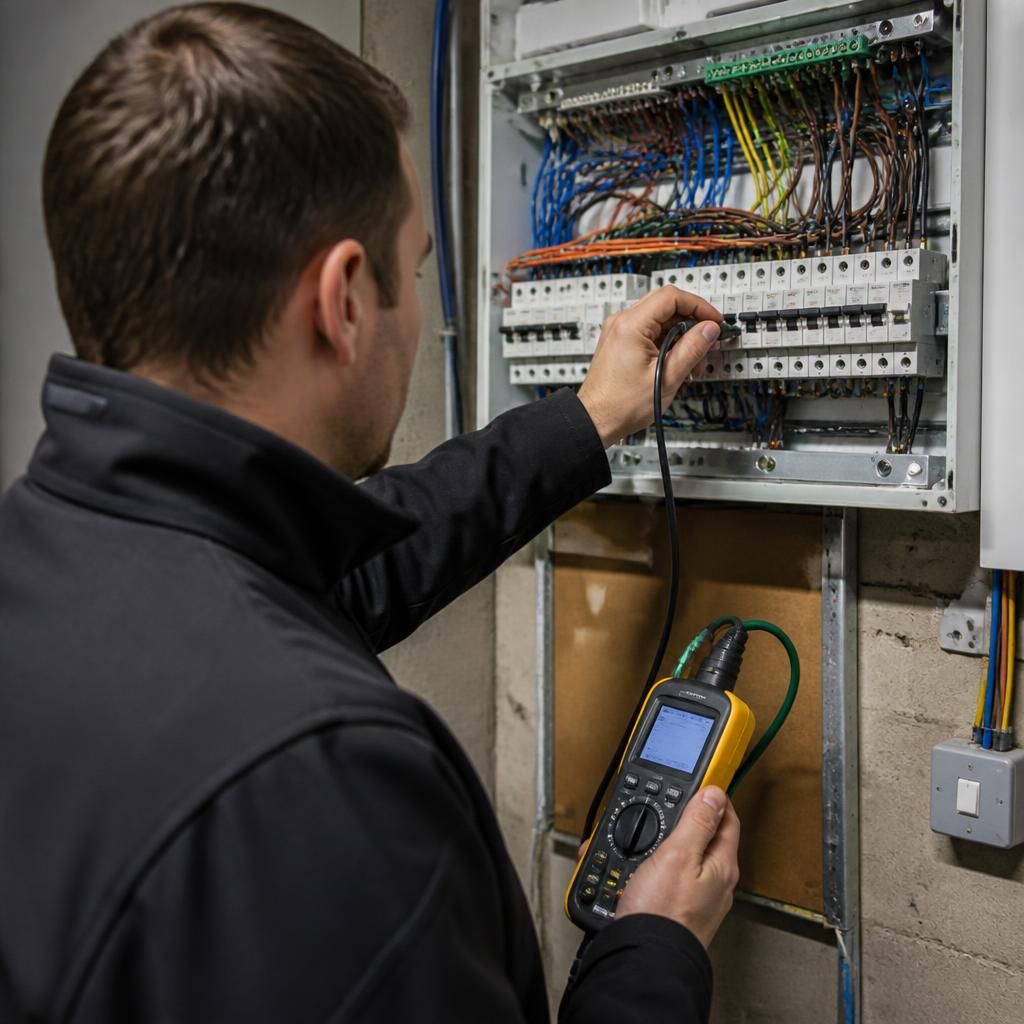
For a mixed-use or multi-occupancy property, the suitable electrical service should be assessed by area and supply arrangement rather than by the building’s overall label. A property may contain private accommodation, commercial units, communal spaces and shared plant, each with different electrical responsibilities and operating requirements.
This distinction affects the scope of the work. The assessment may need to identify which circuits serve each area, whether supplies or controls are shared, where access is permitted and which parts are the responsibility of an owner, landlord, tenant or managing agent. Defining these boundaries before work begins helps ensure that the selected service addresses the correct part of the installation without overlooking shared equipment or creating uncertainty about future maintenance.
Discuss the Right Electrical Service for Your Property
Contact RJW Electrical to discuss your property’s requirements and identify the most suitable electrical service. A clear scope can then be prepared, including any inspection, installation or remedial work needed.