
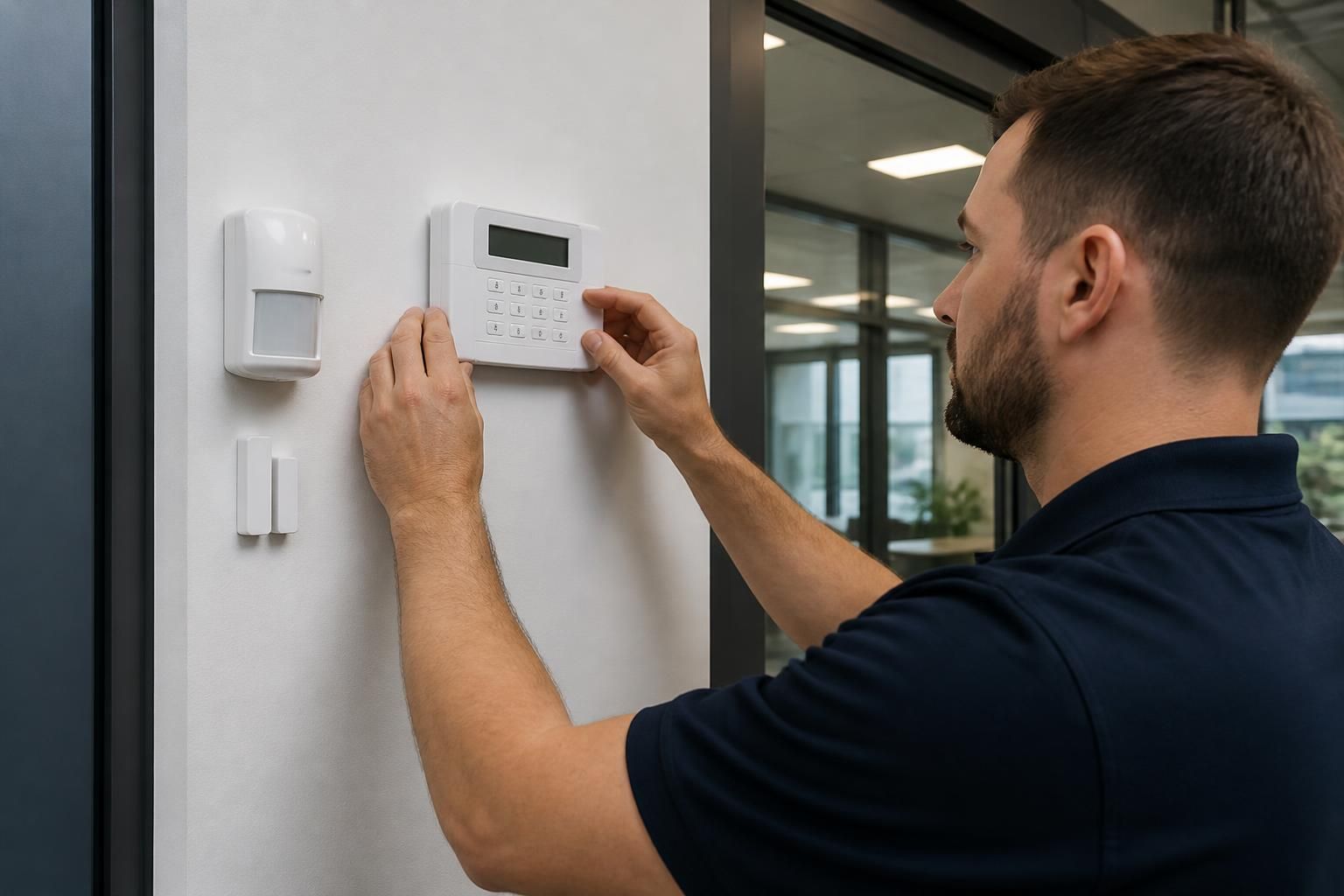
RJW Electrical
How much does security system installation cost?
Security system installation cost varies according to the property, the level of protection required, the equipment selected, cabling needs and system configuration. A site assessment is the most reliable way to establish the specification and provide an accurate quote, with RJW Electrical offering no-call-out-fee quotations.
Security system installation cost is made up of several separate elements rather than one standard charge. The final price normally reflects the equipment, number of protected areas, installation method, system programming, user requirements and any testing or handover needed.
What the installation may include
- Control equipment: The control panel or hub manages the system and determines which detection, alarm and communication features can be used.
- Detection devices: Motion detectors, door and window contacts, glass-break detection and other sensors are priced according to the areas and risks being covered.
- Warning devices: Internal sounders, external sirens, visual indicators and other notification equipment affect both the equipment cost and installation time.
- Communication features: Systems that send notifications to users or connect to a monitoring service require suitable communication equipment and configuration. Any ongoing monitoring or connectivity charges should be identified separately from the installation price.
- Power and cabling: Wired systems can involve cable routes, containment, access work and making good. Wireless systems may reduce visible cabling but still require suitable positioning, configuration and battery management.
- Programming and handover: A complete installation should allow for setting user permissions, configuring zones, testing devices and explaining normal operation to the people who will use the system.
Property layout is a major cost factor. A small, straightforward property may need fewer devices and simpler cable routes than a larger building with multiple entrances, separate floors, outbuildings or restricted-access areas. Commercial premises can also require different user permissions, staged arming, integration with access arrangements or protection for stock, plant and sensitive areas.
The choice between wired, wireless or hybrid equipment also affects the quotation. Wired installation can suit new-build or accessible premises where cable routes are straightforward. Wireless equipment may be more practical where disruption must be limited, although signal strength, battery access and the construction of the building still need to be considered. A hybrid system combines both approaches where that provides the most suitable design.
Check what the quotation covers. Comparable quotations should make clear whether they include equipment, cabling, fixings, labour, programming, testing, user instruction and removal of old equipment. They should also identify any exclusions, such as electrical alterations, building repairs, subscription services, replacement batteries or future maintenance.
For a business, it is also sensible to confirm how the proposed system will support different user roles, staff changes and access restrictions. For a home, the practical questions may focus on entry points, pets, family members, privacy and how the system will be armed when people are present.
Installation cost should be considered alongside the ongoing requirements of the system. Batteries, software or communication services, monitoring arrangements and periodic maintenance may create separate future costs. Ask for these to be explained before approving the work so the initial price is not considered in isolation.
RJW Electrical can discuss the required level of protection and provide a no-call-out-fee quotation based on the proposed installation. A useful quotation should explain the system design in plain terms, separate one-off installation costs from recurring charges and identify the assumptions on which the price is based.
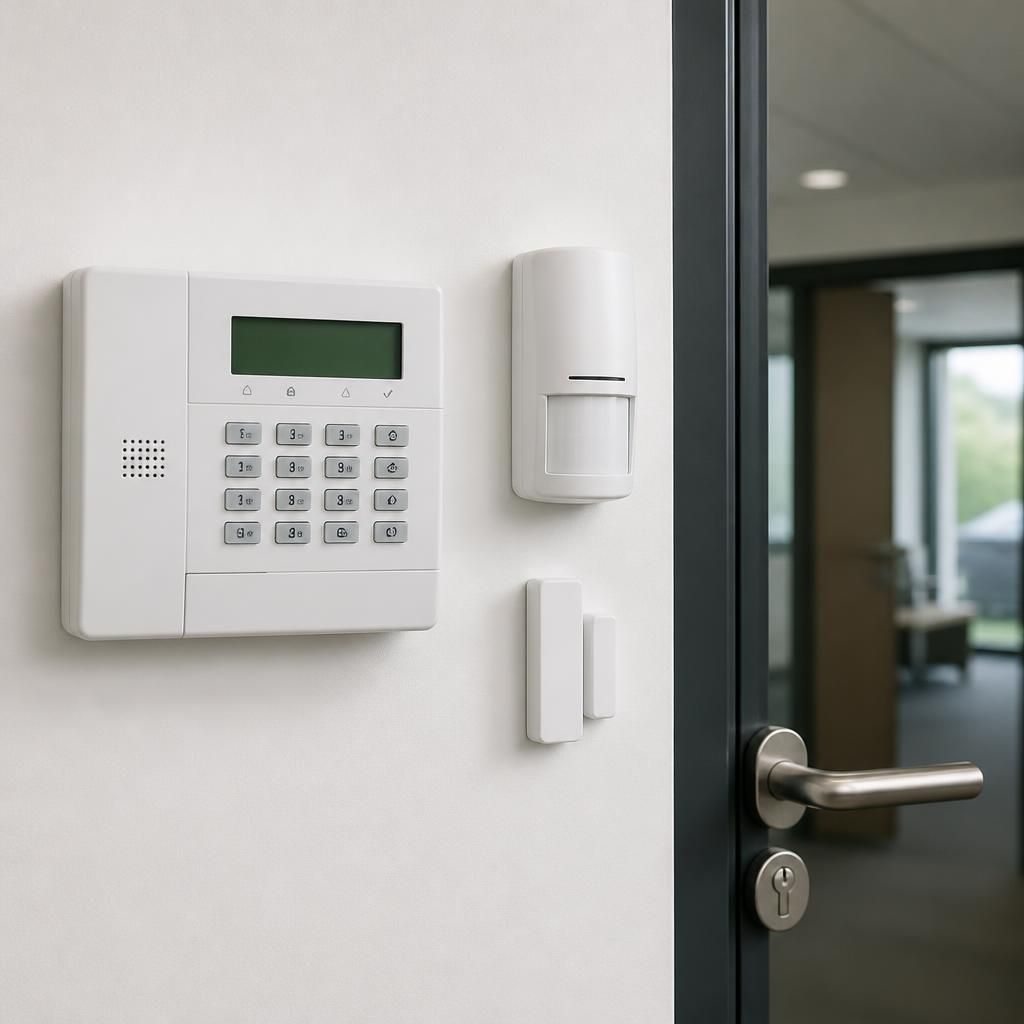
For a property with an existing alarm or security system, installation cost depends partly on whether the equipment can be retained, adapted or needs complete replacement. A replacement is not automatically a like-for-like exercise because the condition, age and compatibility of the existing components must be assessed first.
An engineer may need to check the control panel, detectors, sounders, power supply, communication equipment and existing cabling. Older components may not support the functions required from a new system, while unsuitable or inaccessible cabling can make reuse impractical. Retaining selected components may reduce the amount of new equipment required, but only where they can be tested and integrated reliably.
The quotation should distinguish between removing the previous system, adapting existing infrastructure and supplying new equipment. It should also state whether redundant devices, cables and control equipment will be removed or left in place. This makes the comparison between a system upgrade and a new installation more meaningful and helps avoid unexpected work once installation begins.
Discuss your security system installation requirements
Contact RJW Electrical to review your proposed protection level and decide which installation approach suits your property.