
RJW Electrical
What disruption should I expect during local electrical services?
Disruption during local electrical services depends on the work involved, but it may include temporary power isolation, restricted access to rooms or work areas, and minor dust or surface disturbance. Your electrician should explain which circuits will be affected, how the work will be sequenced, and any preparation needed before starting.
The level of disruption depends on whether the work involves existing wiring, new cable routes, distribution equipment, lighting, security systems or an EV charging installation. The main effects are usually limited access to the work area, noise from drilling or cutting, temporary isolation of individual circuits and the need to keep people away from exposed electrical components while work is underway.
For domestic work, an electrician may need access to more than the room where the visible fitting is located. Cables can run through lofts, cupboards, floor voids or behind ceilings and walls. Furniture, stored items and ornaments may need to be moved so that routes, sockets, consumer units and inspection points can be reached safely. Where chasing or drilling is necessary, there may be dust and small areas requiring decoration after the electrical work is complete. Confirm in advance whether making good is included in the agreed scope.
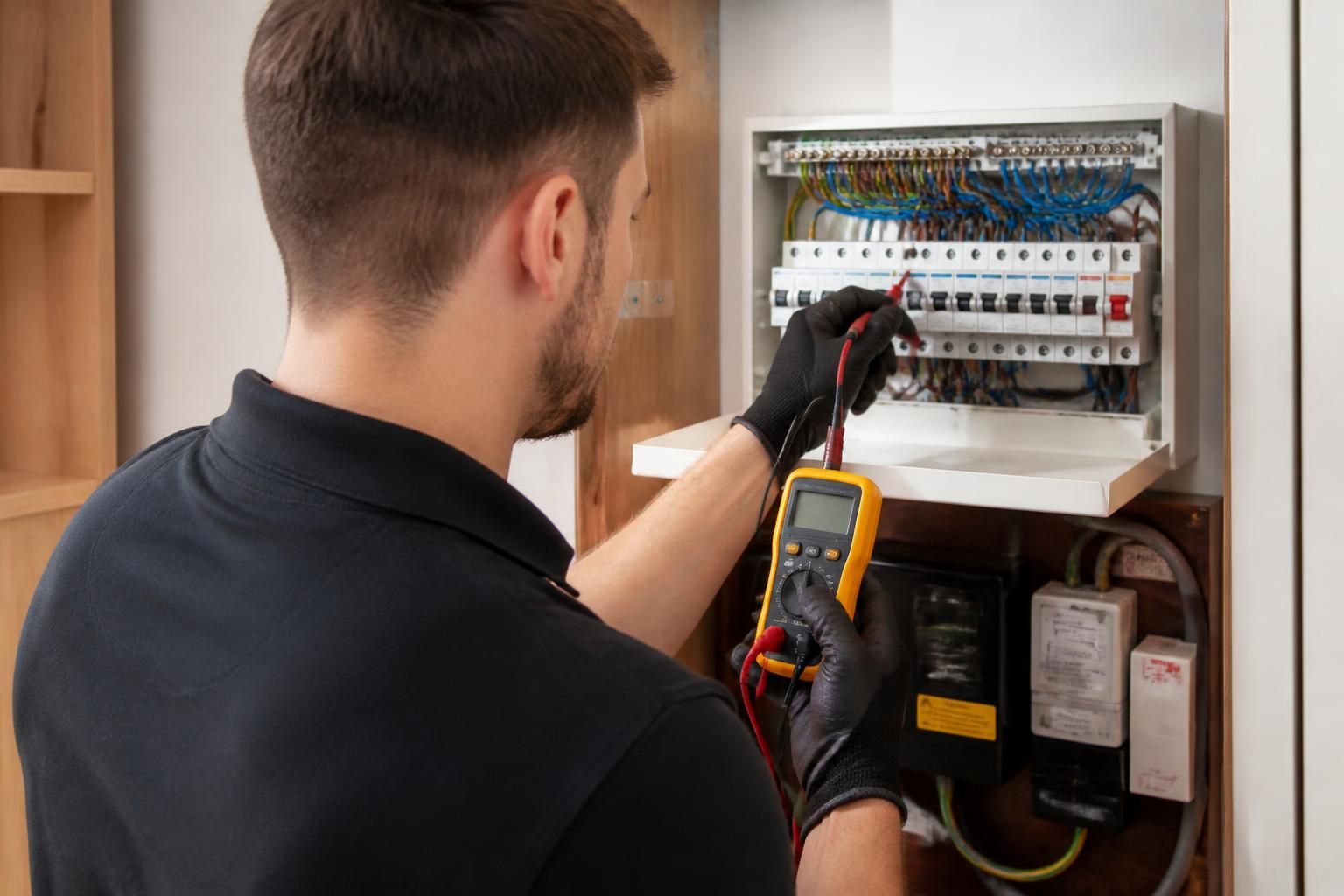
Electrical isolation is a safety measure, not an indication of a fault. A circuit may be switched off while a socket, light fitting, consumer unit, appliance connection or section of wiring is being altered. This can affect lighting, heating controls, internet equipment, alarms or other connected devices, depending on how the installation is arranged. Before work starts, identify equipment that should be shut down correctly rather than simply losing power, such as computers, servers, refrigeration or security systems.
Commercial premises can experience additional disruption because work may take place near staff, customers, stock or operational equipment. The work area may need to be segregated, and some rooms, corridors or access routes may be temporarily unavailable. A sensible sequence can reduce the number of areas affected at once, but the electrician still needs safe access for installation, inspection and testing. Businesses should consider whether sensitive equipment requires a controlled shutdown and whether staff need to be told which areas or facilities are temporarily restricted.
- Access: keep routes to the consumer unit, fittings, equipment and proposed cable paths clear.
- Noise and dust: drilling, fixing and cable installation can create short periods of noise and minor surface debris.
- Power interruptions: agree which circuits may be isolated and plan for equipment that must be switched off safely.
- Safety controls: keep children, visitors, pets, staff and customers away from tools, open accessories and incomplete work.
- Testing: allow the electrician to operate switches, isolate circuits and test the completed installation before areas are put back into normal use.
For larger installations or work in an occupied business, disruption can be managed more effectively by agreeing the work sequence beforehand. This may include identifying priority rooms, deciding where materials can be stored, protecting finished surfaces and arranging access to restricted areas. Where electrical work affects alarms, communications equipment, refrigeration or other essential systems, explain the operational requirements before the quotation is accepted.
Some disruption cannot be removed because safe electrical work requires isolation, inspection and testing. A qualified contractor should distinguish between unavoidable temporary restrictions and unnecessary disturbance, explain the proposed method, and leave the installation safe at each stage. If the work changes the installation, ask for the relevant completion or inspection documentation so there is a clear record of what was carried out and tested.
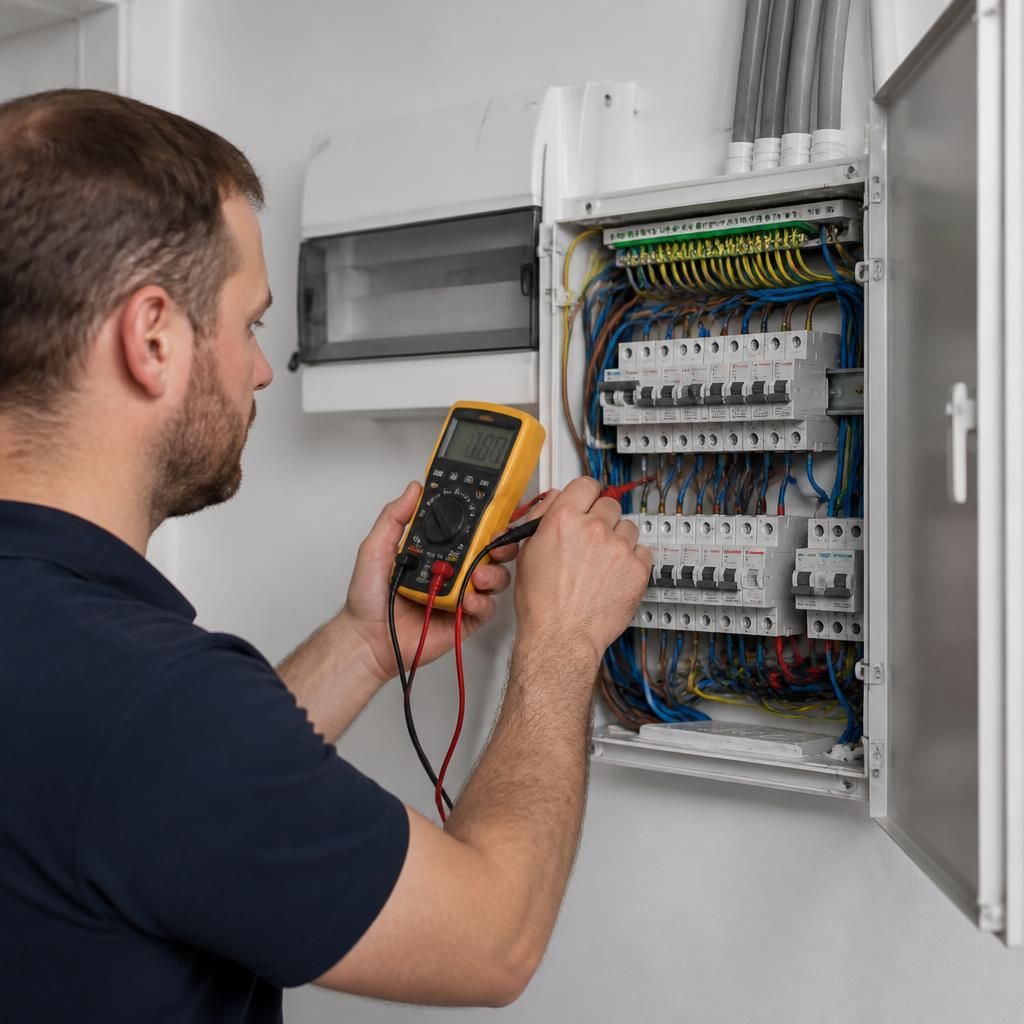
In a rented home, managed building or shared commercial premises, disruption may also depend on permissions and coordination with the person responsible for the property. The electrician may need approval before lifting communal flooring, accessing risers, isolating shared supplies or altering fire and security systems. Agree who will provide access, who must be notified and which areas can be used for tools and materials before the work begins. This prevents avoidable delays and helps ensure that temporary restrictions do not affect neighbouring occupants or shared facilities unexpectedly.
Discuss expected disruption before arranging electrical services
Before arranging local electrical services, ask RJW Electrical to explain the expected disruption, affected areas and any preparation required for your property. Request a clear quote with the work sequence and making-good responsibilities set out before the work begins.