
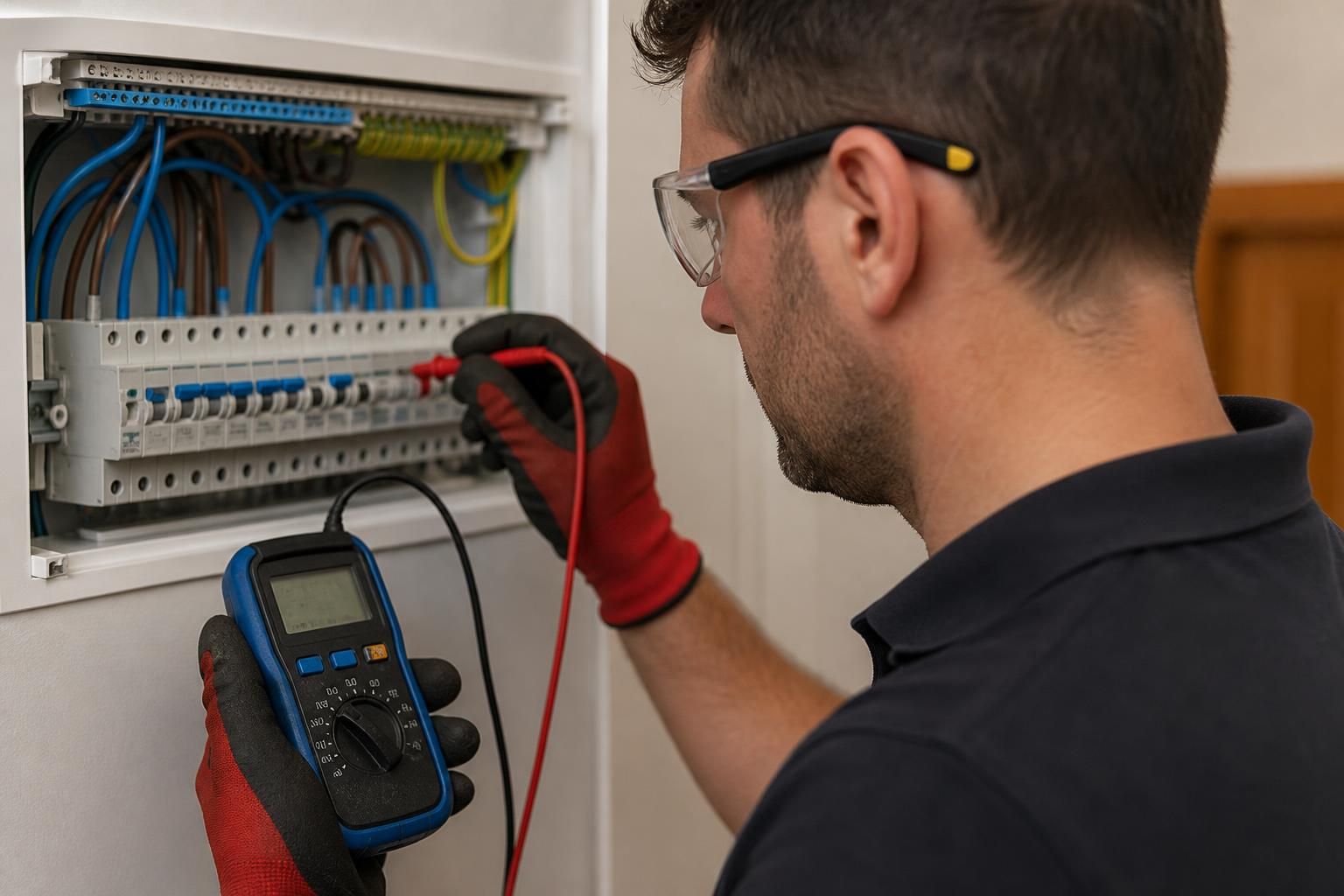
RJW Electrical
How long do local electrical services usually take?
Local electrical services can take from a short visit for a straightforward repair or test to several days for larger installations, rewiring or remedial work. The duration depends on the scope, the condition of the existing installation, access and whether further faults are found during testing.
The most reliable way to estimate the duration of local electrical work is to break it into its individual tasks: identifying the circuit or equipment involved, carrying out the work, testing the result and completing the required records. A clear, accessible job with no defects beyond the original issue is usually more predictable than work on an altered, poorly labelled or outdated installation.
A preliminary assessment may be needed before a firm duration can be given. An electrician may need to identify the correct circuit, inspect the consumer unit, check earthing and bonding, trace cables or establish whether previous alterations comply with current requirements. These checks are particularly important where drawings are unavailable or the visible fault is only a symptom of a wider problem.
- Minor repairs: the practical repair may be relatively brief when the fault is clearly located and suitable replacement parts are available. Additional testing is still required before the circuit is put back into normal use.
- Fault finding: locating an intermittent fault can take longer than replacing a known damaged accessory. The time depends on whether the fault can be reproduced and how much of the circuit must be isolated and tested.
- Electrical testing and inspection: the duration depends on the number of circuits, the size of the property and the condition of the installation. A report may identify further investigation or remedial work, which is separate from the inspection itself.
- Lighting and accessory changes: replacing an existing fitting is generally more straightforward than creating new points, altering switching arrangements or routing new cable through finished walls and ceilings.
- New circuits and installations: adding power, lighting, security equipment or an electric vehicle charging point involves design considerations, cable routes, protective devices and commissioning tests. Physical access and the construction of the building have a significant effect on the work involved.
- Rewiring and remedial work: these projects are normally planned in stages because several circuits, rooms or distribution components may be affected. The final duration should account for testing each completed section, not just the installation work.
Property condition is often the largest variable. Cables hidden behind finished surfaces, inaccessible loft or floor voids, damaged fixings, asbestos concerns or non-standard previous alterations can require a revised method. Work may also take longer if circuits cannot be safely isolated without affecting essential equipment or if defects are found while another task is being completed.
Preparation can make the visit more efficient. Clear access to the consumer unit, sockets, switches, light fittings and relevant equipment allows the electrician to inspect and test without unnecessary delays. Providing information about previous faults, tripping patterns, recent building work and the purpose of a proposed installation can also help the scope to be defined accurately.
For larger projects, the estimated duration should be treated as a programme rather than a single appointment length. It may include an initial survey, design or quotation, agreed installation work, inspection and testing, and the issue of certificates or other records. Where work is divided into stages, each stage should have a defined scope so that any additional defects are distinguished from the original specification.
Before work starts, ask what is included in the estimate. Useful points to clarify are:
- whether the estimate covers investigation as well as the repair or installation;
- which testing and commissioning checks will be carried out;
- whether making good decorations, plasterwork or access openings is included;
- what happens if concealed damage or non-compliant wiring is discovered;
- whether specialist parts, certification or follow-up remedial work are separate items.
After the work, the electrician should explain any limitations, outstanding recommendations and controls or equipment that require user instruction. The appropriate electrical certificate or inspection report should reflect the work actually completed. This final checking and documentation stage is part of a properly managed electrical service, rather than time that can simply be removed from the estimate.
RJW Electrical carries out electrical installation, testing, inspection and remedial work for domestic and commercial properties. Its NAPIT and Trustmark membership, together with registration on the Electrical Safety Register, provides useful assurance that work is approached within recognised professional and safety requirements. For an informed estimate, the relevant details are the type of work, property layout, access conditions, existing installation and any known symptoms or defects.
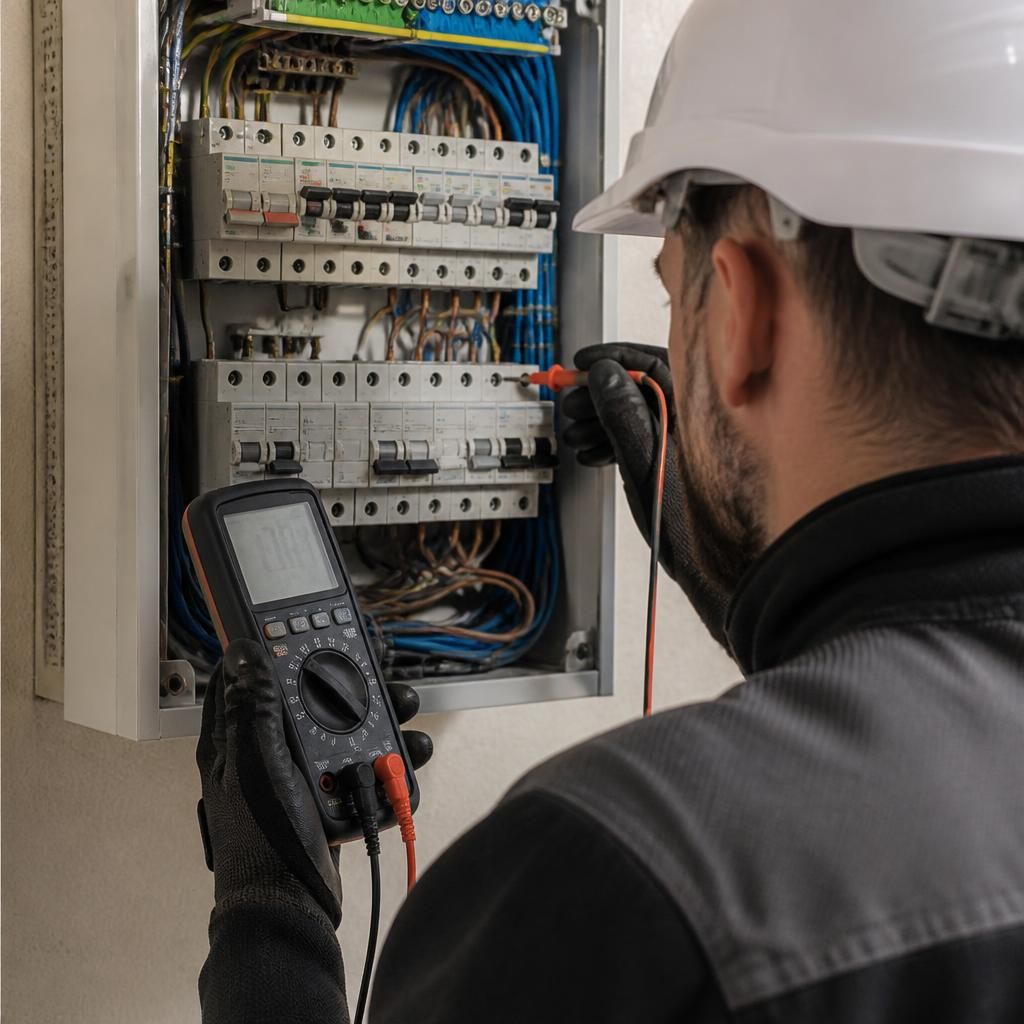
For commercial electrical work, the quoted duration may reflect coordination as well as the electrician’s time on site. Access to plant rooms, landlord-controlled areas or shared electrical equipment may need to be arranged, while shutdowns and isolations may require approval before work can begin.
Projects involving fire alarms, security systems, data equipment or other connected services may also need coordination with the relevant responsible persons and other contractors. This can make the elapsed project time longer than the installation itself, even where the physical electrical work is clearly defined. Ask whether the estimate refers to hands-on work, the full project period, or both.
Ask RJW Electrical about your electrical service timeframe
Contact RJW Electrical to discuss the work involved and request a no call out fee quote based on your property, existing installation and access requirements.