
RJW Electrical
When should I call an emergency electrician?
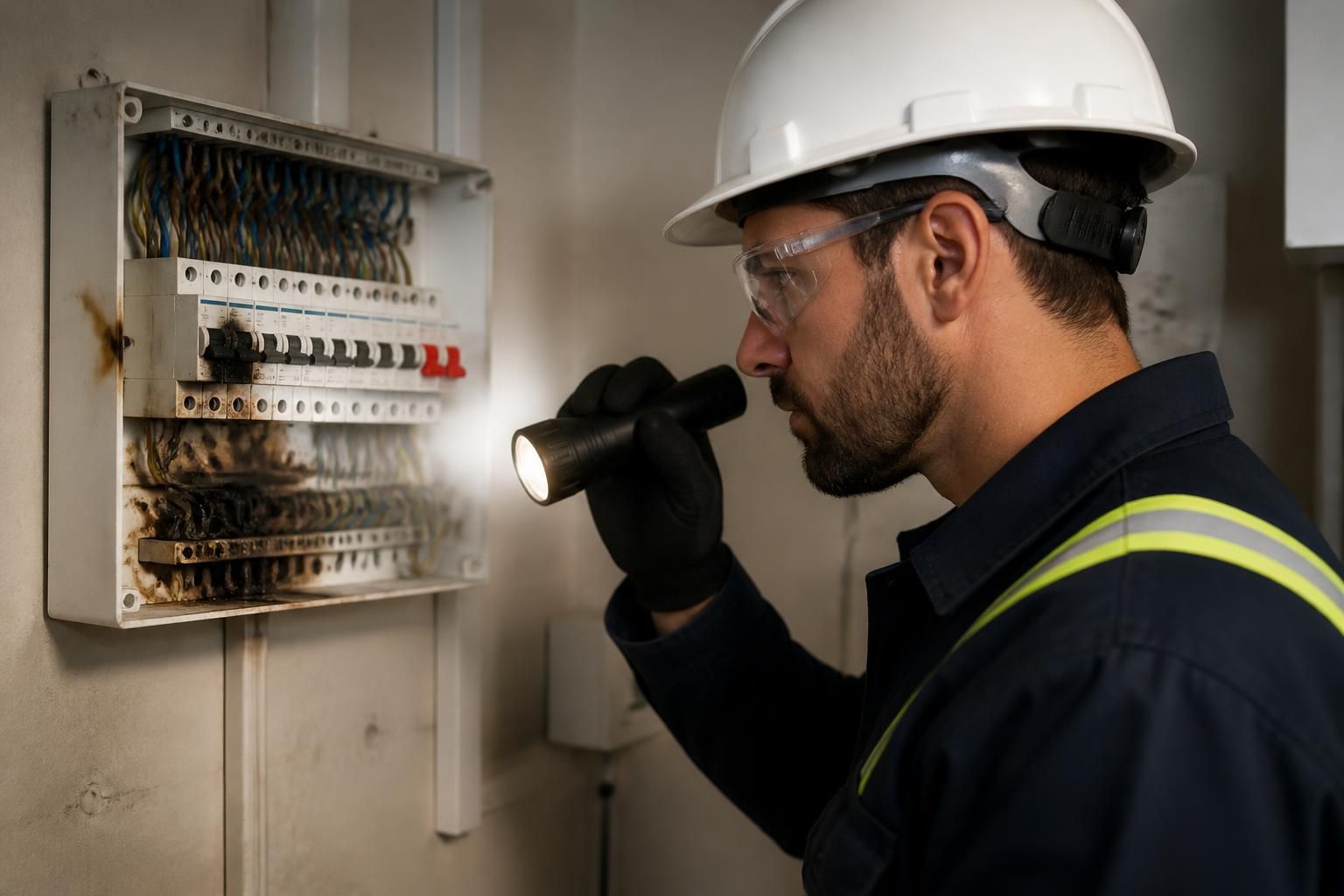
Call an emergency electrician when an electrical fault creates an immediate risk of fire, electric shock or further damage—for example, burning smells, smoke, sparks, exposed live wiring, repeated tripping or water near electrical equipment. Stop using the affected circuit or appliance if it is safe to do so, and arrange professional assessment rather than attempting a repair yourself.
Call an emergency electrician when an electrical fault presents an immediate danger to people or property, or when essential wiring or equipment has been damaged and cannot be safely left in service. The priority is to prevent contact with live parts, fire, overheating and further damage; faults that are inconvenient but stable can usually be assessed as routine electrical work instead.
Situations that normally justify urgent professional attention include:
- A consumer unit, socket, switch or cable becoming unusually hot, discoloured, melted or visibly damaged.
- A crackling, buzzing or sizzling sound from fixed wiring or an electrical accessory, particularly if it is accompanied by a burning odour.
- A suspected fault affecting the incoming supply, meter tails or other parts of the installation that remain live and cannot be safely isolated.
- Electrical equipment or wiring damaged by flooding, a leak, impact, fire or severe weather.
- An electric shock, tingling sensation from a metal appliance or evidence that protective earthing or bonding may be compromised.
- A fault that leaves a property with exposed conductors, a damaged distribution board or unsafe temporary wiring.
If there is an active fire, serious injury or immediate danger to life, contact the appropriate emergency service first and move away from the hazard if you can do so without crossing the affected area. An electrician should deal with the electrical cause once the immediate danger has been managed.
Not every power problem is an electrician's emergency. A neighbourhood-wide outage may be the responsibility of the electricity network operator, while a problem confined to one appliance may require the appliance manufacturer or a qualified repair specialist. If only one circuit or part of a building is affected, that is more likely to indicate an installation fault, although it still needs professional assessment where there are signs of heat, damage or unsafe operation.
Do not keep switching a protective device back on to see whether the fault has cleared. A single trip caused by a temporary event may not indicate a serious defect, but a device that trips again, will not reset or operates when a particular circuit is used should be investigated rather than bypassed. Never remove covers from a consumer unit, interfere with seals around metering equipment or use tape, makeshift connections or extension leads as a permanent workaround.
When deciding how urgently to seek help, consider four points: whether anyone could touch an energised part, whether there is heat or visible deterioration, whether water is involved, and whether the fault is spreading or recurring. The presence of any of these factors raises the risk. Tenants should also notify the landlord or managing agent where appropriate, but that should not delay action where the installation is visibly dangerous.
A competent electrician will establish what has failed, identify whether the danger can be isolated safely, inspect the relevant parts of the installation and explain whether a repair, replacement or further testing is needed. Where the fault affects a commercial premises, the assessment should also consider staff, visitors, business equipment and the need to keep records of inspection and remedial work.
RJW Electrical Ltd provides emergency electrical assessment and repair for domestic and commercial properties across Sutton Coldfield, Streetly, Walmley, Erdington, Lichfield, Aldridge, Walsall, Shenstone and the wider Midlands. Its qualified, insured and DBS-checked engineers work to the 18th Edition wiring regulations, with NAPIT and TrustMark membership providing recognised indicators of professional standards. A no-call-out-fee quote can be requested before proceeding with work, subject to the circumstances being assessed.
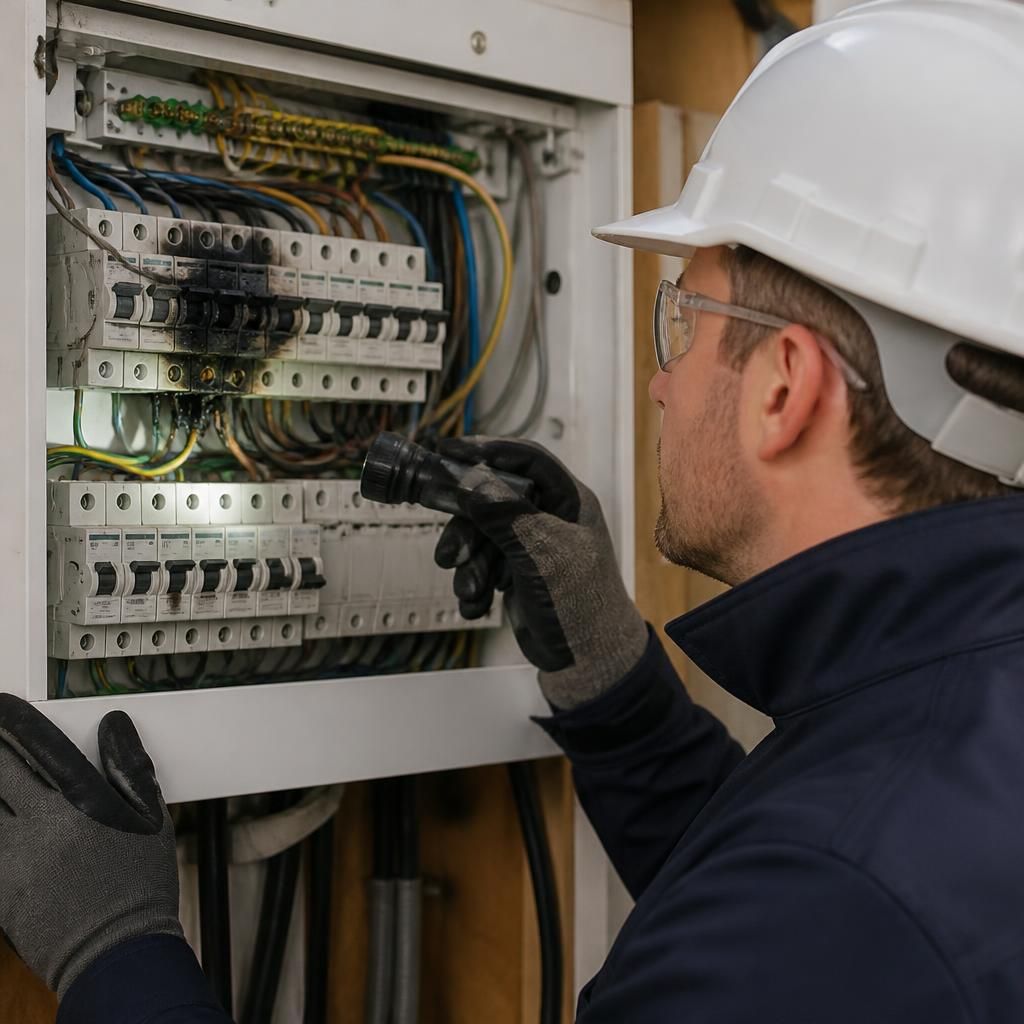
An electrical fault should be treated as an emergency when it disables equipment that is essential for safe occupation, even if there is no smoke or visible damage. In a commercial premises, this may include emergency lighting, fire detection, access control or other systems needed to protect staff, visitors and the building.
Do not restore these systems by using improvised wiring or by repeatedly resetting the supply. Restrict access to any affected area, follow the premises’ safety procedures and arrange an electrician to assess the installation. The electrician can determine whether the fault is isolated, whether temporary isolation is required and what remedial work is needed before the equipment is returned to service.
Need help assessing an electrical emergency?
If you are unsure whether an electrical fault requires urgent attention, contact RJW Electrical for professional advice and an assessment. You can request a no-call-out-fee quote before any work proceeds.