
RJW Electrical
How can I make an electrical emergency safe before professional help?
If it is safe to do so, switch off the affected appliance or the main electrical supply, keep people away from the area and do not touch damaged wiring or equipment. If there is smoke, fire, sparking or immediate danger, leave the property and contact the emergency services before arranging professional electrical assistance.
Making an electrical emergency safe means reducing the risk of electric shock, fire and further damage without attempting a repair. Once the immediate danger has been controlled, keep the situation unchanged until a qualified electrician can inspect the installation and identify the underlying fault.
From a safe position, check whether anyone has been injured and whether the problem is limited to one appliance, socket or circuit. Do not approach the affected area simply to investigate. If the fault is accompanied by heat, burning smells, crackling, smoke or visible damage, treat the equipment as unsafe even if it appears to have stopped making a noise.
- Keep children, pets and other people away from the affected room or equipment.
- Do not remove covers, pull apart a socket or attempt to repair exposed conductors.
- Do not use water on an electrical fault. If water has entered the property, avoid standing in or walking through it where electrical equipment or outlets may be affected.
- Do not repeatedly reset a tripping circuit breaker or replace a fuse with one of a different rating. Repeated tripping is an indication that a fault may still be present.
- Do not use damaged plugs, leads, sockets, extension cables or appliances, even if they seem to work afterwards.
- Keep clear of any fallen or damaged overhead electrical cable and prevent others from approaching it.
If someone has received an electric shock, do not touch them while they may still be in contact with the electrical source. Once the supply has been safely isolated, seek medical assistance and follow the instructions given by the emergency services. Electrical injuries can be serious even where there are no obvious marks.
Where there is no immediate threat to life or property, make a note of what happened for the electrician. Useful details include which appliance or circuit was involved, whether a protective device operated, any unusual smell or sound, signs of heat or discolouration, and whether the issue followed water ingress, building work or damage to a cable. Photographs can help if they can be taken without entering an unsafe area or touching the equipment.
Leave the affected installation out of use until it has been examined. A professional may need to carry out testing, inspect connections and protective devices, and check for damage that is not visible externally. Temporary measures such as taping over a damaged cable or moving a faulty appliance to another socket can conceal the hazard rather than make it safe.
RJW Electrical provides electrical testing, inspections and repair work for domestic and commercial properties across the Midlands, including Sutton Coldfield, Streetly, Walmley, Erdington, Lichfield, Aldridge, Walsall and Shenstone. A no call out fee quote can help establish the likely scope of professional assistance before work is agreed.
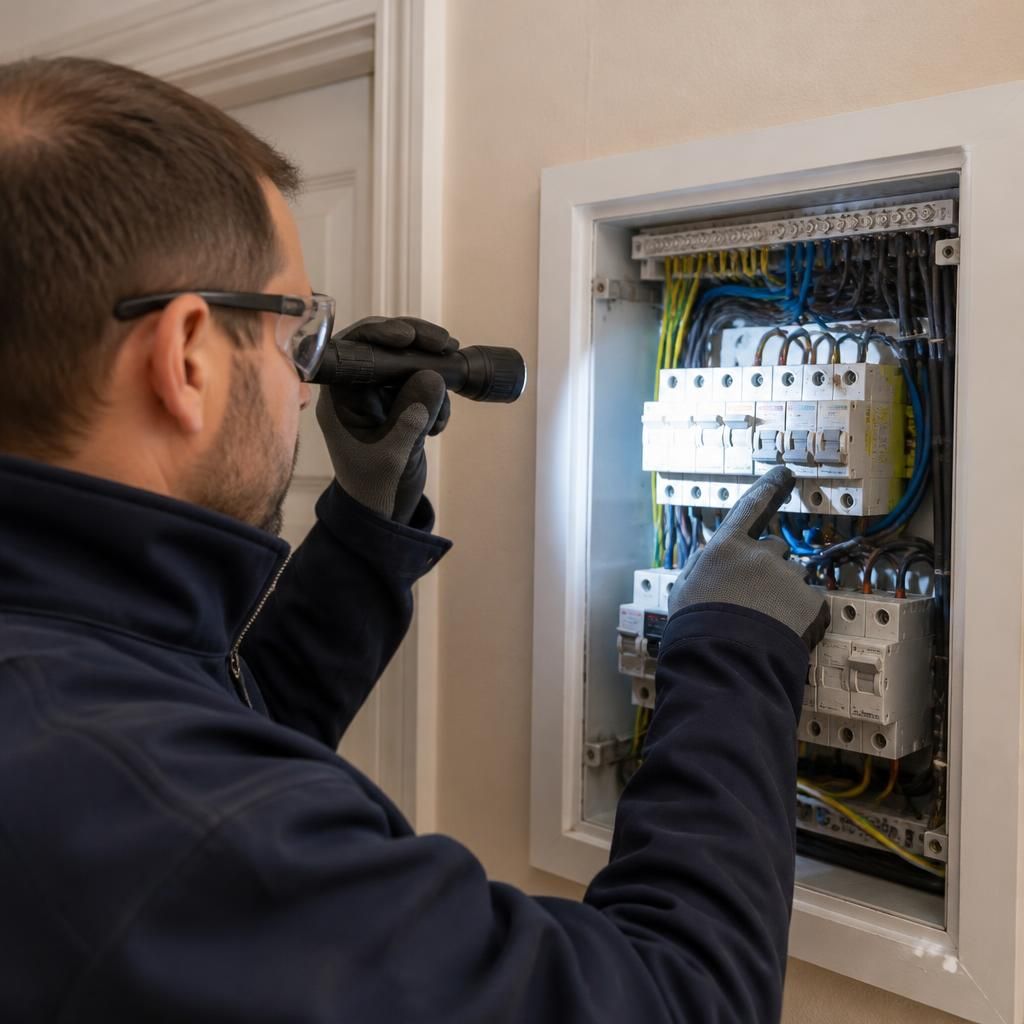
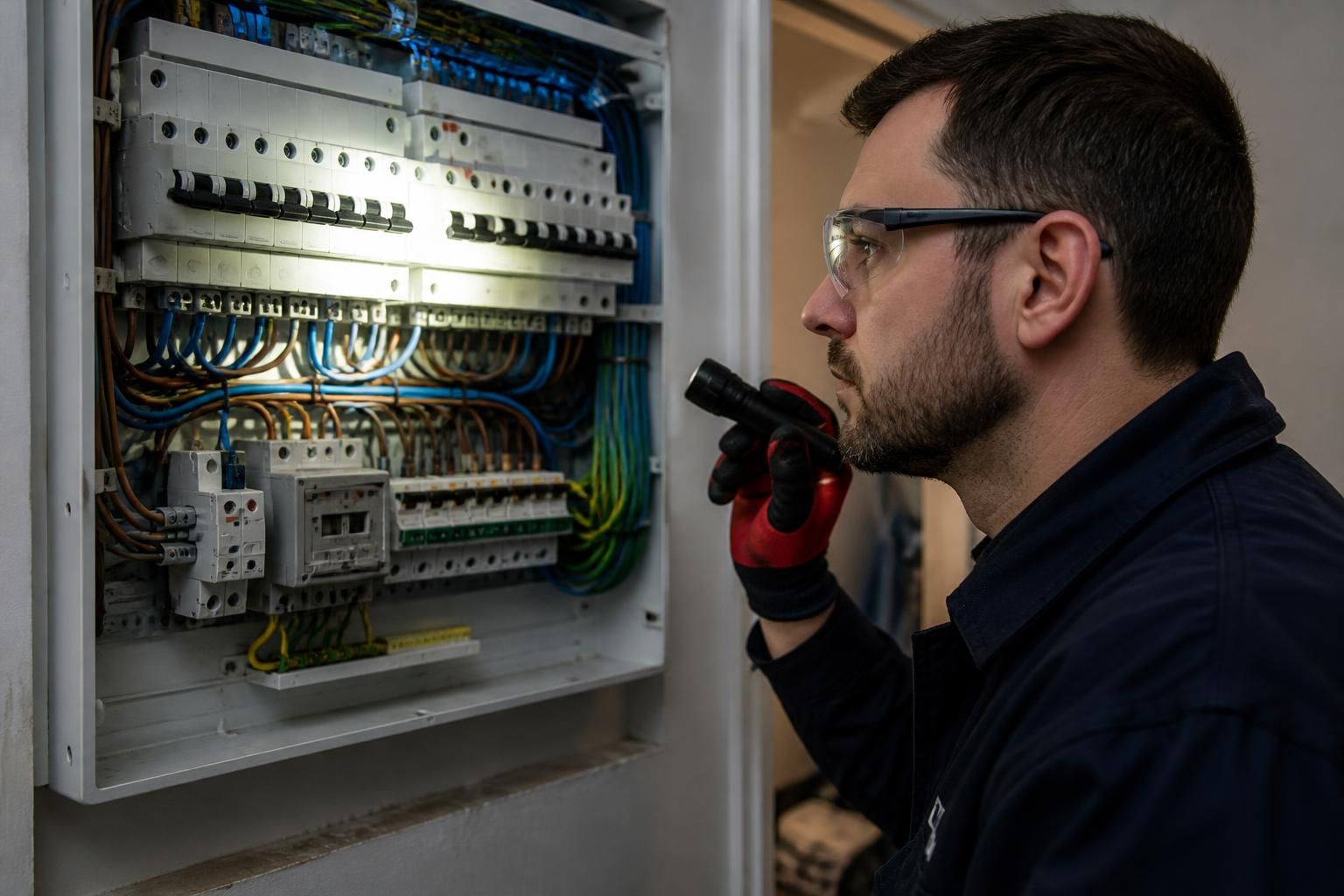
Safe isolation means separating the suspected fault from the electrical supply without exposing yourself to another hazard. Only operate a switch or circuit breaker if the consumer unit or local isolator is dry, undamaged and accessible without entering the affected area.
Do not open a consumer unit, remove its cover or approach it if there is water, scorching, smoke, arcing or visible damage around the enclosure. In commercial premises, a circuit may also supply shared equipment or essential systems, so switching off an unidentified supply can create additional risks. Keep clear and explain the situation to the electrician instead.
After an isolator or circuit breaker has been operated, do not assume the equipment is dead. Some installations have more than one supply, and stored energy may remain in certain equipment. Avoid touching conductors, terminals or internal components until a qualified electrician has proved the installation is safe.
Speak to a qualified electrician about the emergency
Once the immediate danger has been controlled, contact RJW Electrical to discuss the fault and arrange a professional inspection of the affected installation. Do not return the equipment or circuit to use until it has been assessed by a qualified electrician.