
RJW Electrical
What happens if an electrical fault is found during domestic servicing?
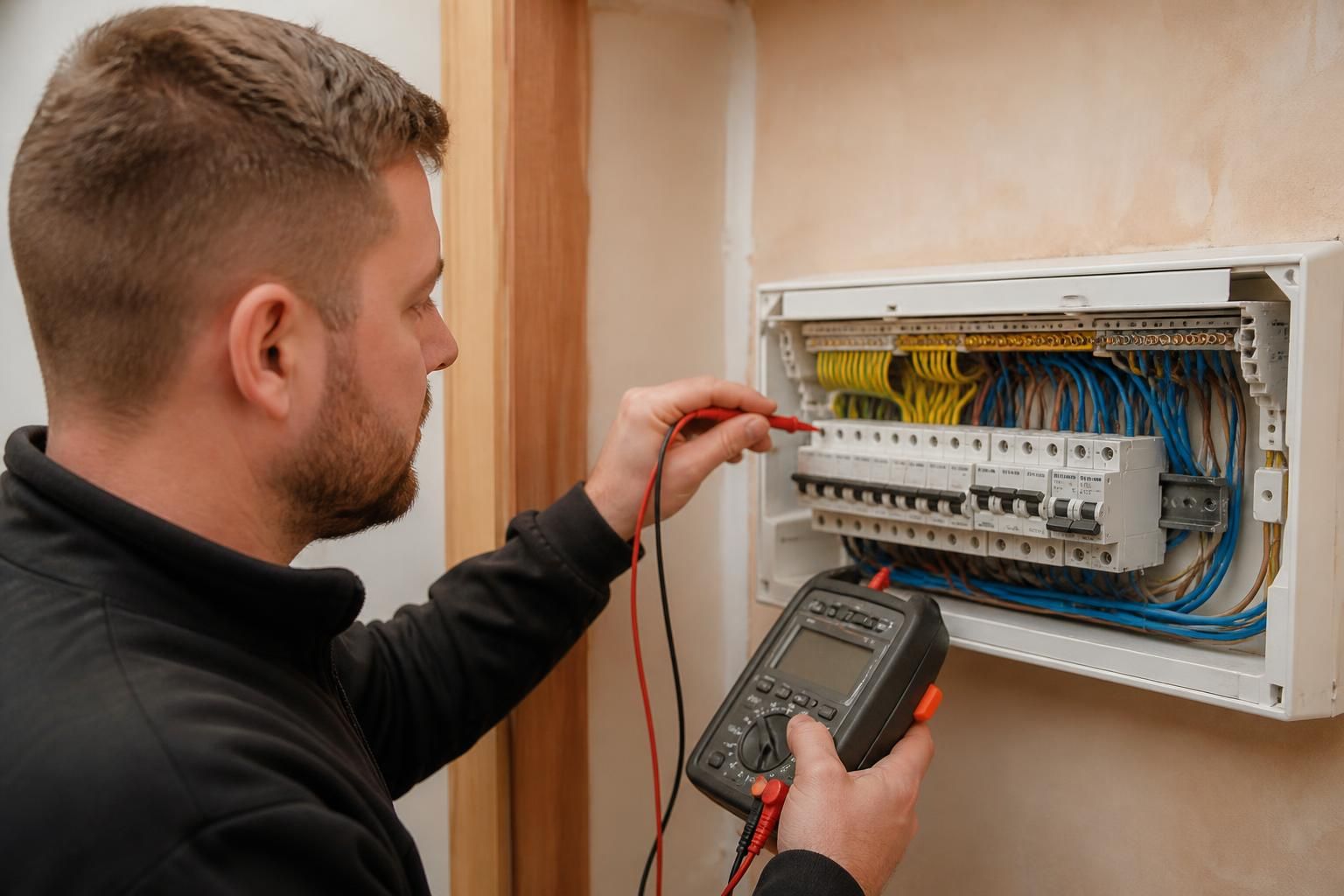
If an electrical fault is found during domestic servicing, the engineer will explain the defect, assess its safety implications and identify whether the affected circuit or equipment should be isolated. They will then recommend any necessary repair or remedial work and record the finding in the service documentation.
The outcome depends on the type and severity of the defect. A minor observation may be recorded for future attention, while a fault that creates an immediate or potential risk can require the affected circuit, accessory or appliance to remain out of use until suitable remedial work has been completed.
During the assessment, the engineer will normally establish whether the issue is confined to one item or indicates a wider problem with the installation. This can involve visual checks, electrical measurements and testing of protective devices. The investigation may consider signs such as overheating, damaged insulation, loose connections, exposed conductors, inadequate earthing or repeated tripping.
Where an inspection is recorded using Electrical Installation Condition Report terminology, findings may be categorised according to their safety significance:
- C1: danger is present and urgent action is required to make the installation safe.
- C2: the condition is potentially dangerous and remedial work is needed to remove the risk.
- C3: improvement is recommended, but the observation does not normally indicate immediate danger.
- FI: further investigation is needed before the condition can be properly assessed.
These codes apply to the condition being inspected, not automatically to the whole property. One unsatisfactory socket, for example, does not necessarily mean that every circuit requires replacement. The engineer should explain the scope of the finding, its likely cause where this can be established, and whether other equipment or parts of the installation may also be affected.
If continued use could be unsafe, the relevant item may need to be switched off or isolated. This can mean that some sockets, lights or appliances are temporarily unavailable. An isolation is a safety measure rather than a repair, so the underlying fault still needs to be dealt with. Do not repeatedly reset a circuit breaker or RCD, remove covers, or attempt to use an accessory that has shown signs of burning, sparking or damage.
For non-urgent defects, the next step is usually to agree the appropriate remedial work. Depending on the fault, this might involve replacing a damaged accessory, correcting a connection, repairing a cable, improving earthing or bonding, replacing a protective device, or investigating a wider circuit issue. The correct solution depends on the test results and the condition of the existing installation; replacing a visible component without addressing the cause may not resolve the risk.
Any proposed repair should be clearly separated from the inspection finding. Ask for the work to be explained in practical terms, including:
- which circuit, accessory or appliance is affected;
- why the existing condition is unsafe or unsuitable;
- whether the affected item should remain isolated;
- what remedial work is proposed; and
- what testing or certification will follow the repair.
For rented homes, a serious defect should also be reported to the landlord or responsible managing agent, particularly where isolation affects essential parts of the installation. Occupiers should follow the engineer's safety advice and avoid reconnecting equipment that has been identified as unsafe.
After remedial work, the affected circuit or equipment should be tested again to confirm that the work has addressed the reported condition. The resulting paperwork should identify the inspection or repair carried out, any limitations, test results where applicable, and outstanding recommendations. Keeping this documentation helps establish what was found, what action was taken and whether any further investigation remains necessary.
An electrical fault does not automatically mean that a complete domestic rewire is required. That conclusion should only be reached where the condition, design, extent of deterioration or test results justify it. A properly explained assessment distinguishes between an isolated repair, wider remedial work and recommendations for improvement.
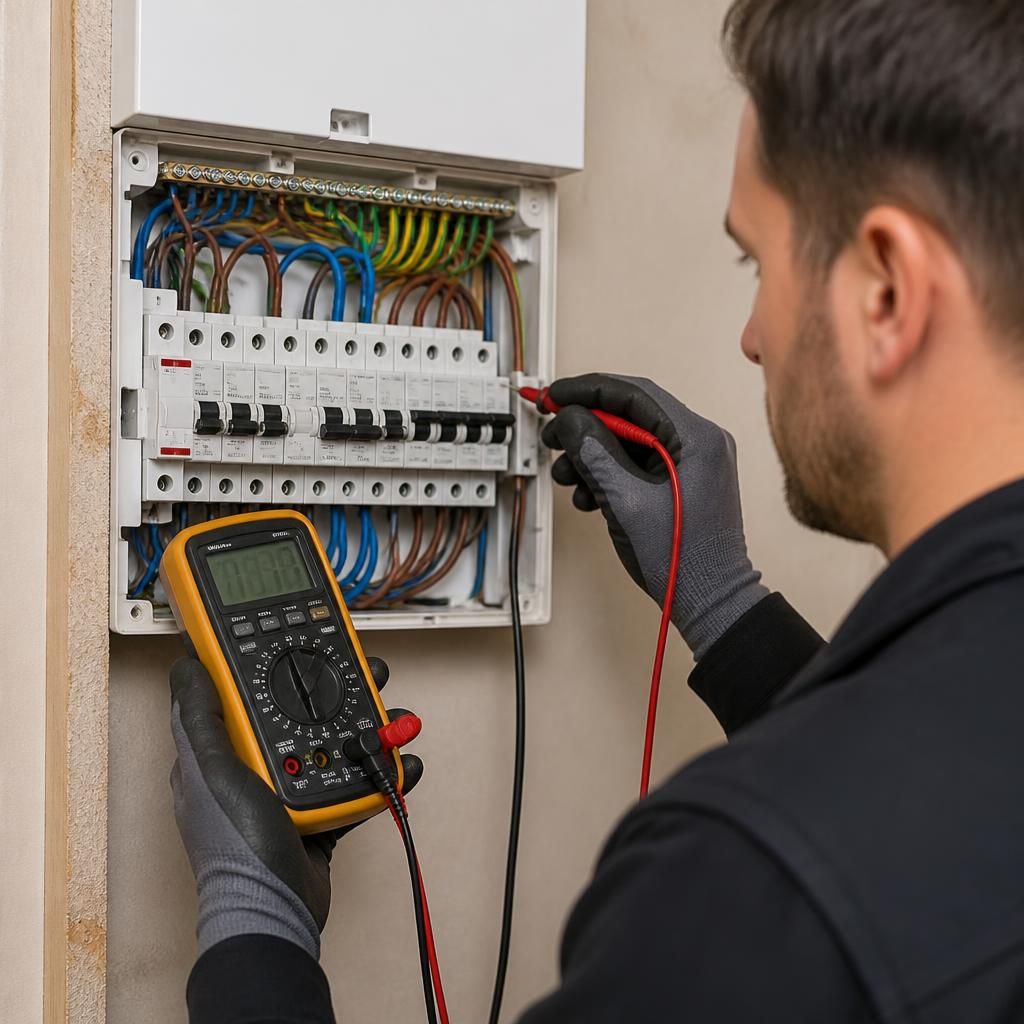
An electrical fault found during domestic servicing may identify a symptom without immediately proving its source. For example, repeated tripping could arise from a particular appliance, a damaged accessory, moisture, a cable defect or a problem with the protective device. The engineer should use the available test results and observations to distinguish between these possibilities before recommending a repair.
Where the cause cannot be confirmed safely during the visit, the appropriate outcome may be a recommendation for targeted fault-finding rather than replacement of unrelated equipment. This prevents a visible symptom being treated while the underlying defect remains. The service record should make clear what was established, what could not be confirmed, and whether additional access, testing or specialist assessment is needed.
For homeowners, the practical decision is whether to continue using the affected equipment or arrange further investigation. Any advice given about restricted use should be followed, and the written findings should be retained so that a subsequent electrician can understand the original symptoms and tests already completed.
Discuss an electrical fault found during servicing
Contact RJW Electrical to discuss the servicing findings and request a no-call-out-fee quote for any recommended remedial work.