
RJW Electrical
How should I prepare my home for domestic electrical servicing?
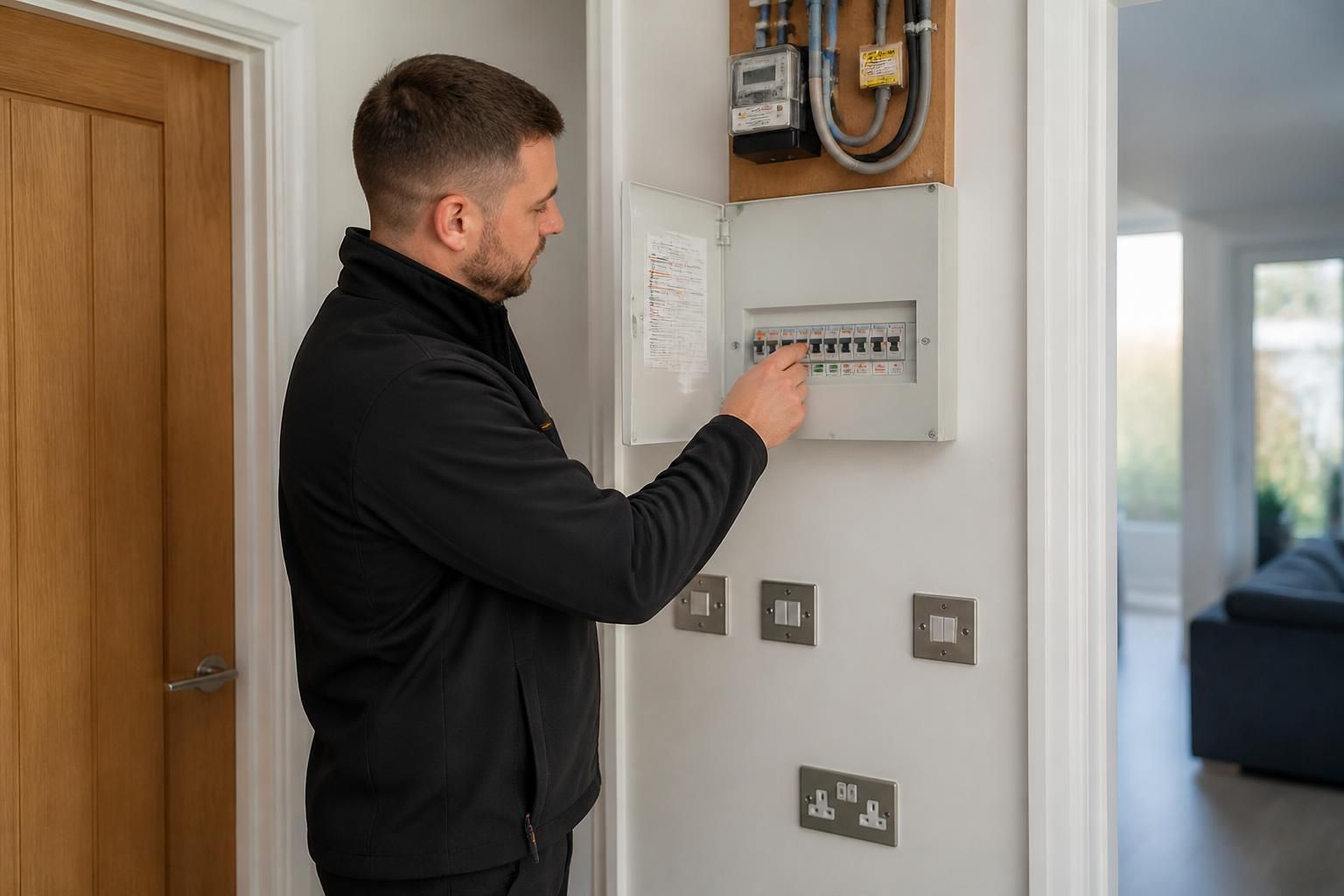
Before domestic electrical servicing, clear safe access to the consumer unit, sockets, switches, light fittings and any other areas the engineer may need to inspect. Make a note of known faults, unusual sounds or damage, and keep relevant electrical documentation available, but do not attempt repairs or alterations beforehand.
Preparing your home for domestic electrical servicing means making the inspection safe, giving the engineer accurate information and planning for any temporary interruption to the electricity supply. The most useful preparation is to confirm what is being inspected, identify equipment that may be affected and ensure that everyone in the household understands what will happen.
Before the appointment, confirm the scope of the service. Electrical servicing can involve different checks depending on the age, condition and use of the installation. Tell the electrician if the work relates to a particular circuit, recent alteration, extension, converted room or recurring problem. If the property has specialist electrical equipment, mention this in advance so it can be considered as part of the inspection.
- Solar photovoltaic equipment, battery storage or other generation systems
- Electric vehicle charging equipment
- Electric showers, immersion heaters or electrically heated floors
- Smoke alarms, security systems, external lighting or automated gates
- Equipment used for work, study or other essential household activities
Plan for possible power interruptions. Testing may require circuits or the whole installation to be switched off temporarily. Before servicing begins, save work on computers, pause cooking and washing programmes, and avoid scheduling activities that depend on uninterrupted electricity. If the property has a router, alarm panel, access control system or other device that may reset when power is interrupted, check its normal restart procedure.
Where anyone in the household relies on electrically powered medical equipment, refrigeration or another essential system, explain this before the inspection starts. The electrician can then take the relevant constraints into account when discussing the work. Do not disconnect or modify essential equipment yourself unless its manufacturer or a suitably competent person has instructed you to do so.
Make the property safe for inspection. Keep children and pets away from the working area, and tell the engineer about any known hazards such as water leaks, damaged enclosures, loose flooring, restricted loft access or asbestos-containing materials that may be present. Do not move or touch damaged electrical equipment to make it easier to inspect. If there is an immediate danger, such as exposed live parts, burning or persistent smoke, stay clear and explain the situation when arranging professional help.
Prepare information about the installation. Useful details include the approximate age of the property, previous refurbishment work, changes to the consumer unit, known extensions and any electrical work completed by a previous contractor. Explain when a fault occurs and whether it affects one appliance, one circuit or several parts of the home. Specific observations can help the electrician distinguish between an installation issue and a problem with an individual appliance.
If you rent the property, obtain any permission required by the landlord or managing agent before the visit. For managed developments, check whether there are arrangements for access to communal cupboards, meter rooms or shared electrical equipment. The person responsible for the property should also be available to authorise any further investigation or remedial work if the servicing identifies a concern.
Finally, decide which household areas may need to be entered and ensure that the responsible adult can provide access and answer questions about the installation. Avoid carrying out DIY electrical work before the service, including replacing protective devices with different ratings or removing covers. Leaving the installation in its existing condition gives the electrician a more accurate basis for testing and assessment.
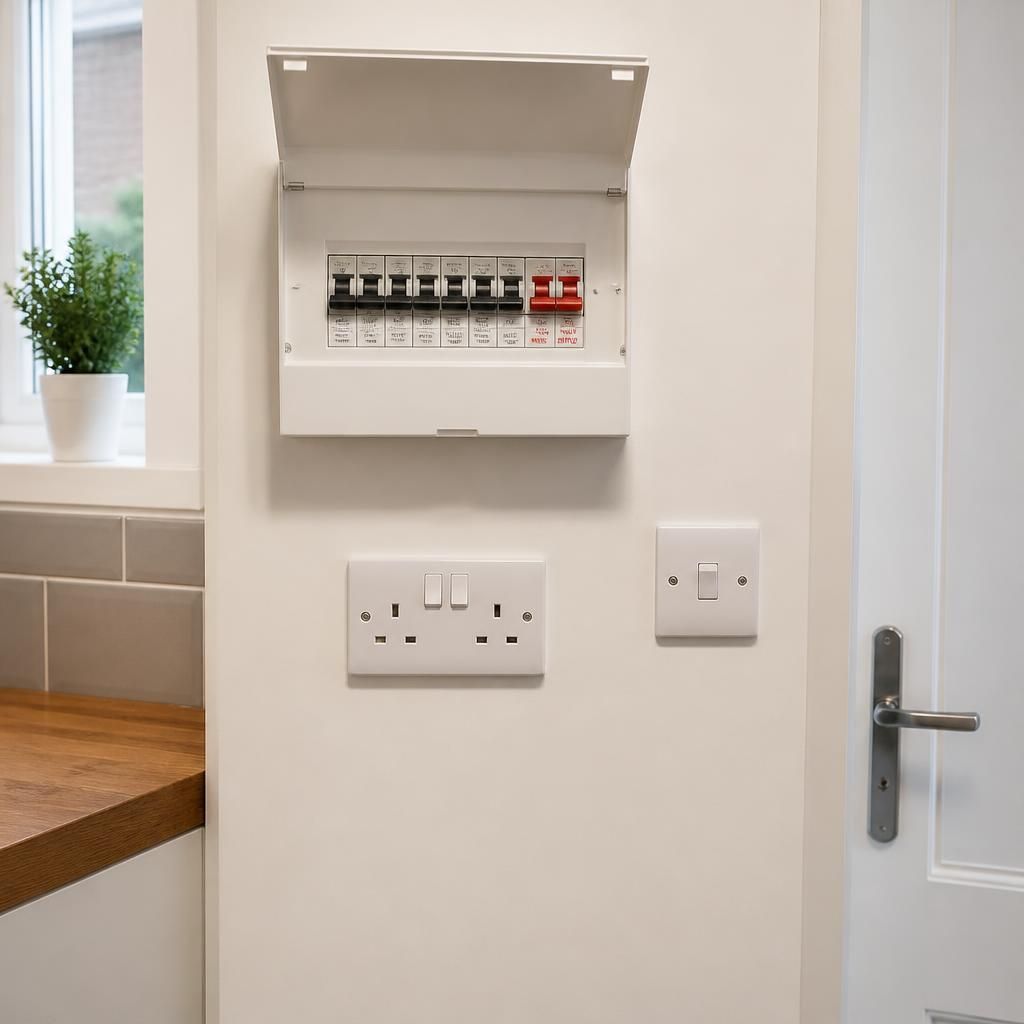
Domestic electrical servicing usually concerns the fixed electrical installation rather than the internal condition of individual appliances. Before the visit, separate any appliance-specific concerns from problems affecting the wiring, sockets or circuits. Do not open, dismantle or attempt to repair an appliance in preparation for the inspection.
If an appliance appears to be causing a fault, make a note of its make and model, what happens when it is used and whether the problem follows the appliance to another socket. This information can help distinguish an installation fault from an appliance fault. Leave the equipment in its normal condition unless a qualified electrician gives different instructions, as unplugging or moving it may remove useful evidence.
Discuss Your Home’s Electrical Servicing Requirements
If you are unsure what your home’s electrical servicing should include, contact RJW Electrical to discuss your requirements and request a no call out fee quote.