
RJW Electrical
What should an electrical safety inspection include?
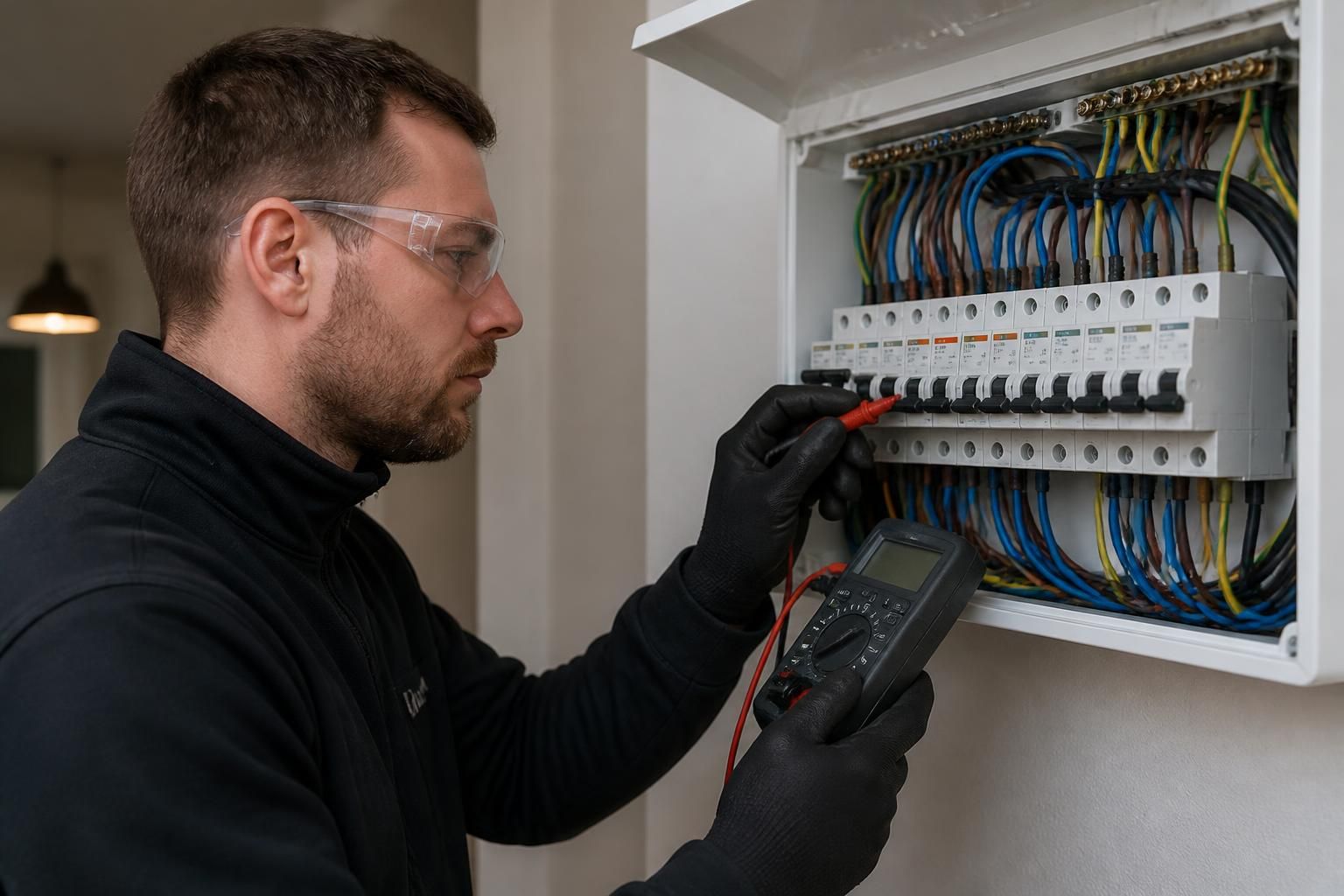
An electrical safety inspection should include a visual assessment of the installation, checks on the consumer unit, wiring, accessories, earthing and bonding, and appropriate electrical tests. The findings should be recorded in a clear report, identifying any defects, risks and recommended remedial work.
A proper electrical safety inspection combines a methodical examination of the installation with tests that assess whether it is safe to use under normal conditions. It should establish how the installation is arranged, identify deterioration or unsafe alterations, check that protective measures are effective and record any limitations that prevented a complete assessment.
The electrician will usually begin by reviewing the installation’s age, previous alterations, available documentation and the type of use. This helps put the findings into context. For example, an installation serving a workshop, rental property or commercial premises may be assessed differently from one in a standard home because the equipment, environment and level of use can affect the risks.
During the inspection, particular attention should be given to:
- signs of damage, overheating, burning, corrosion, moisture ingress or loose connections;
- inappropriate or poorly executed alterations, including exposed conductors, unsuitable enclosures and overcrowded connections;
- the condition and operation of switches, sockets, isolators and other electrical accessories;
- the arrangement and labelling of circuits, so that equipment can be safely isolated when required;
- the suitability of protective devices for the circuits they control;
- the presence and operation of residual current protection where it is required or installed; and
- main protective connections and other measures intended to limit the effects of an electrical fault.
Testing provides information that cannot be confirmed by looking at the installation alone. Depending on the type and extent of the work, this may include checking continuity, insulation resistance, polarity, earth fault loop impedance, prospective fault current and the operation of protective devices. Functional checks may also be carried out on items such as switches, isolators, emergency controls and residual current devices. Tests should be selected and carried out safely, since some may require circuits to be disconnected or equipment to be isolated.
An inspection should also consider whether the installation is suitable for its present use. Additional appliances, electric heating, high-load equipment, outbuildings, extensions or changes in occupancy can affect the demands placed on existing circuits. A system may still operate while having inadequate capacity, unsuitable protection or a defect that needs attention, so apparent day-to-day operation is not proof of electrical safety.
Where the inspection is being carried out as an Electrical Installation Condition Report, commonly called an EICR, each significant issue should be described clearly and assigned an appropriate observation code. In broad terms, C1 indicates danger present, C2 indicates a potentially dangerous condition, C3 identifies an improvement recommended, and FI means further investigation is required. The code should relate to the actual condition found rather than be used simply to describe an older installation.
The completed report should identify the installation inspected, the extent of the assessment, relevant limitations, test results and any observations. It should make clear which issues require remedial work and which are recommendations for improvement. If areas were inaccessible, circuits could not be isolated or parts of the installation could not be tested, this should be recorded rather than assumed to be satisfactory.
An inspection is not the same as a quotation for remedial work. If defects are found, the report should explain their nature and priority, while any proposed repairs should be assessed separately. The person arranging the inspection should ask whether the assessment is intended for general reassurance, a property transaction, a change of occupancy, insurance purposes or a specific legal requirement, as this can affect the scope and documentation needed.
There is no single inspection interval suitable for every property. The appropriate frequency depends on the installation’s condition, age, environment, use and any changes made since the previous assessment. A qualified electrician can recommend a suitable review period after considering those factors, but an inspection should also be arranged when there are warning signs such as repeated tripping, scorch marks, damaged accessories, buzzing, burning smells or unexplained power loss.
RJW Electrical can assess domestic and commercial installations and explain the findings in practical terms, including which matters need attention and which are advisory improvements. Its engineers work to the current 18th edition wiring requirements and can provide a clear basis for deciding on any further electrical work.
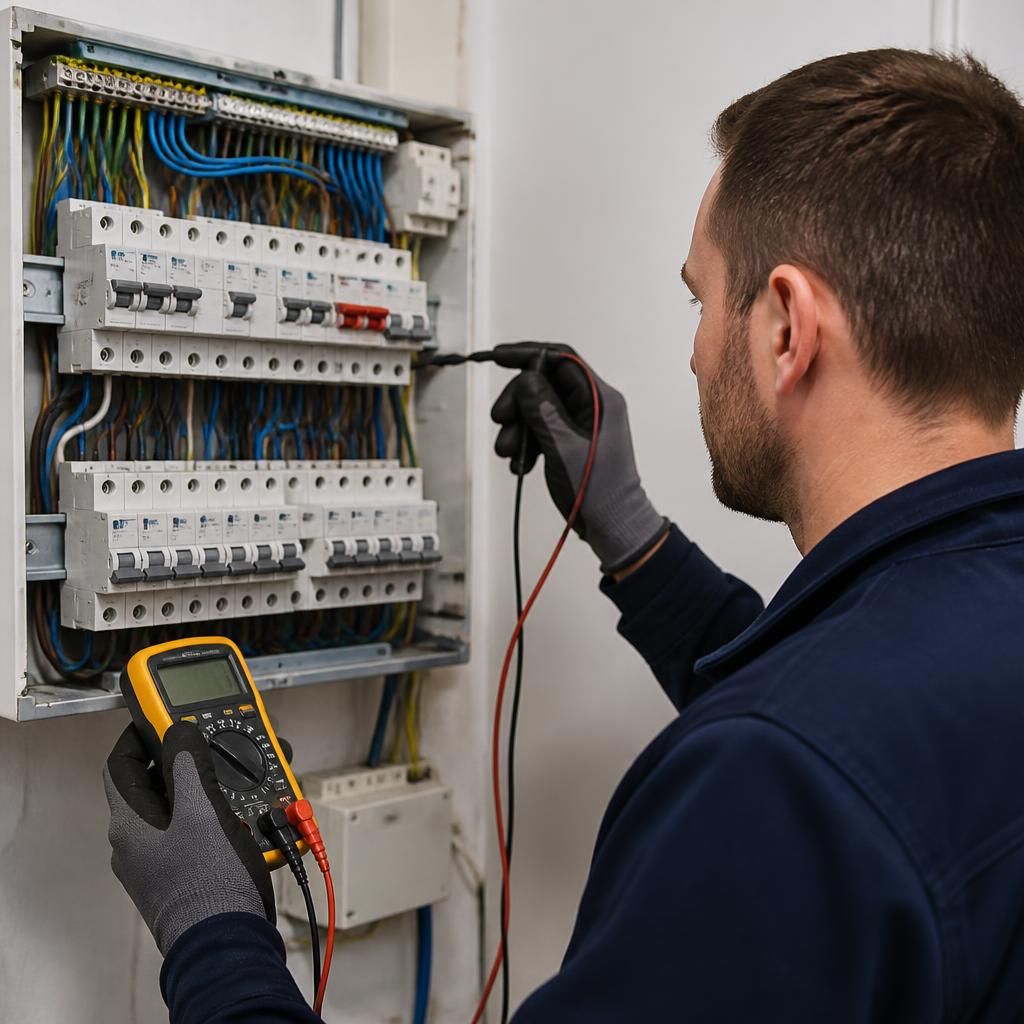
A safety inspection normally covers the fixed electrical installation, including the wiring, consumer unit, sockets, switches, lighting points and other permanently connected equipment. It does not automatically include portable appliances such as kettles, computers or extension leads; those require separate appliance testing where necessary.
The inspection’s scope should be agreed before work begins. Ask whether outbuildings, garages, external supplies, alarm systems, electric heating, specialist equipment or landlord-installed appliances are included. A clear scope prevents assumptions and ensures the report accurately states which parts of the electrical system were examined.
Discuss your electrical safety inspection requirements
Discuss your electrical safety inspection requirements with RJW Electrical and request a quote with no call-out fee, based on the agreed scope of work.