
RJW Electrical
Is an electrician experienced with my type of property?
Yes. RJW Electrical works on both domestic and commercial properties, adapting the installation, inspection or testing approach to the building’s use, age, layout and electrical demands. This helps ensure the work is appropriate for anything from a family home to a business premises.
An electrician experienced with your type of property should be able to assess the building’s existing installation, how the premises are used and the electrical demands placed on it before recommending work. The relevant experience is not simply whether an electrician works in domestic or commercial settings; it is whether they can identify the practical and safety issues that apply to your particular building.
For a home, this may include working with an older installation, previous alterations, extensions, outbuildings, converted rooms or limited access to cables and consumer units. The electrician should establish which parts of the system are existing, which need upgrading and whether the proposed work can be integrated safely. A modern installation in a newer property may require a different assessment from an older home with several generations of wiring and equipment.
Commercial premises require consideration of the business carried out there as well as the building itself. An office, retail unit, workshop or other workplace may have different patterns of use, equipment, lighting requirements and risks. The electrician should consider how fixed wiring, sockets, lighting, emergency systems, security equipment or other electrical loads interact with the premises. Work may also need to take account of staff, visitors, machinery, landlord responsibilities and records required for future maintenance.
When comparing electricians, ask questions that reveal whether they understand the type of property rather than relying on a general claim of experience. Useful questions include:
- Have you worked on properties with a similar age, layout or use?
- How will you assess the existing wiring before starting an installation or alteration?
- What information will you need about equipment, occupancy and the way the building is used?
- Will the work affect other circuits, lighting, security systems or future extensions?
- What testing, inspection and certification will be provided when the work is complete?
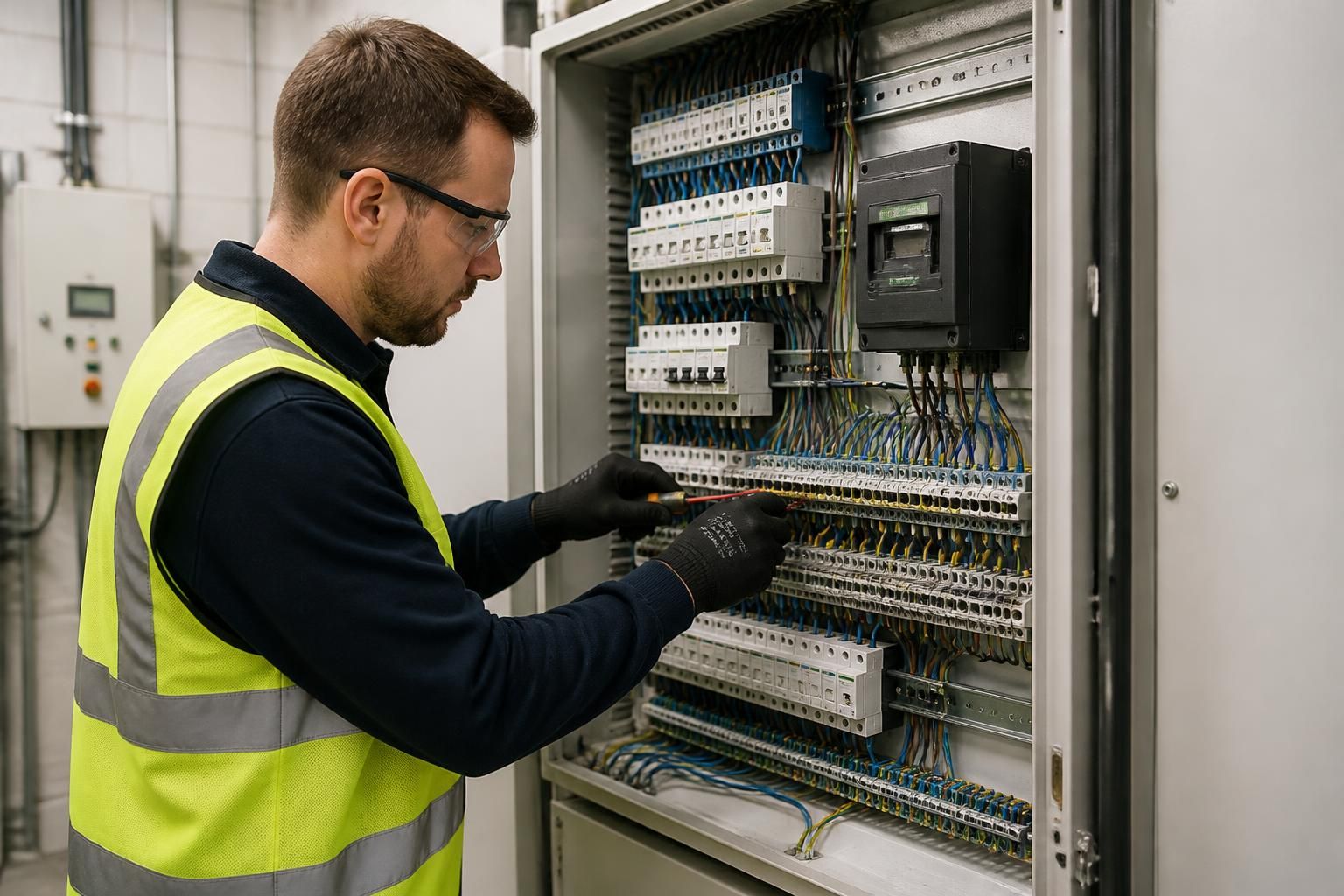
A suitable approach should begin with an inspection and a clear explanation of the proposed work. For an alteration or installation, this means identifying the relevant circuits, checking protective devices and confirming that the design is appropriate for the expected load. For testing or inspection, it means recording the condition of the installation and clearly separating urgent defects from recommendations that may be planned later.
Experience also matters when the property has unusual constraints. Restricted access, occupied rooms, sensitive business equipment, shared areas or an existing installation that has been modified over time can all affect how work is planned. A competent electrician should explain any limitations, identify information that is unavailable and avoid assuming that a standard solution is suitable for every building.
RJW Electrical undertakes electrical installations, inspections and testing for domestic and commercial clients. Its engineers are qualified, insured and DBS-checked, and work to the latest 18th edition wiring regulations. Membership of NAPIT, the TrustMark scheme and the Electrical Safety Register provides additional information to check when assessing the company’s professional standing, but it is still sensible to discuss your property’s age, use, layout and requirements before accepting a quotation.
The best comparison is therefore based on relevant understanding, not just the lowest price. A quotation should make clear what has been inspected, what work is included, what testing will be carried out and whether any limitations or further recommendations have been identified.
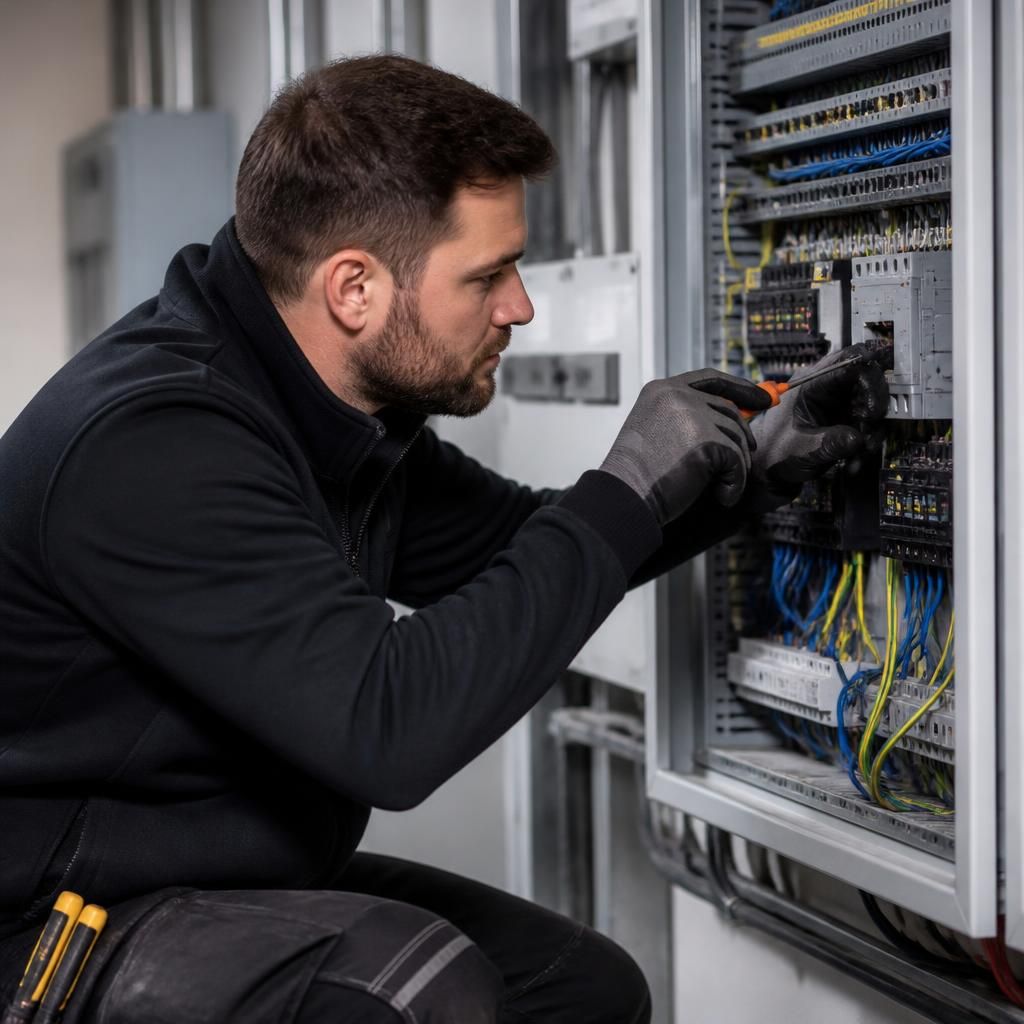
An electrician’s experience with your property should be reflected in the records they provide, not only in how they describe their services. The documents should match the work carried out and show that the installation was assessed in relation to the building and its intended use.
For example, a new installation or significant alteration would normally require an Electrical Installation Certificate, while suitable minor work may be recorded on a Minor Works Certificate. An Electrical Installation Condition Report is used to record the condition of an existing installation following inspection and testing. For commercial premises, ask whether the documentation will identify relevant circuits, equipment or areas requiring attention.
Before accepting a quotation, confirm which certificate or report is included, what parts of the installation it covers and whether any restrictions prevented a complete assessment. Clear records make it easier to understand the property’s electrical condition and plan future work.
Ask About Experience With Your Property
Contact RJW Electrical to discuss your property’s age, use and electrical requirements, and request a clear quote for the appropriate work.