
RJW Electrical
How is RCD protection tested during an electrical inspection?
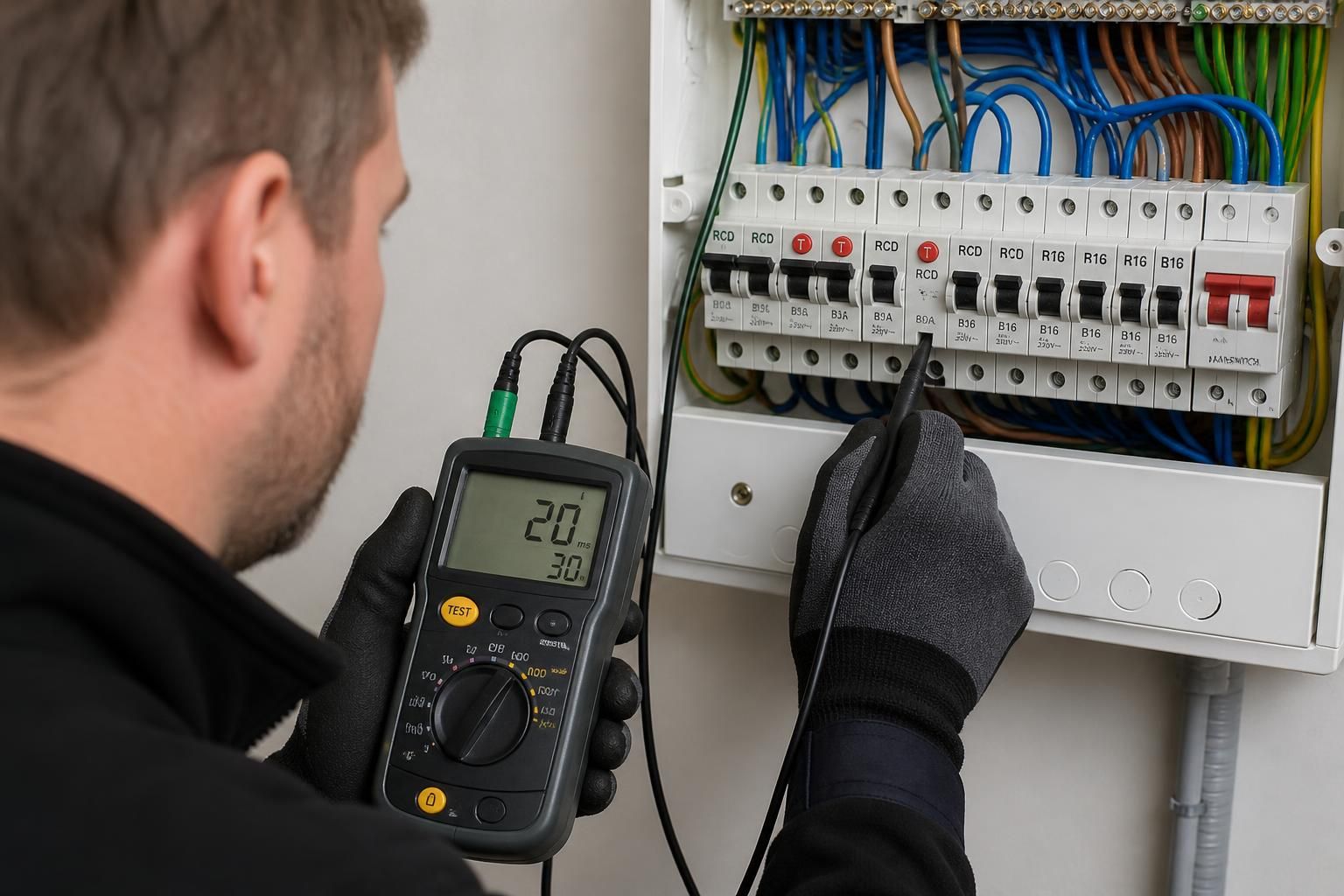
RCD protection is tested during an electrical inspection using a calibrated tester that applies a controlled residual current and records whether the device disconnects the circuit within the required time. The inspector may also operate the RCD’s test button to confirm its basic mechanical function, with the results recorded in the inspection report.
RCD protection is assessed by checking that each device disconnects the correct circuits at the required residual-current and time settings, and that the protection is suitable for the installation. The inspection also considers the RCD’s condition, connections, type and relationship with other protective devices, rather than relying on the test button alone.
An inspector will normally identify every RCD, RCBO or similar residual-current device protecting the installation. This includes checking which circuits are connected to each device and whether the arrangement provides the intended protection. An RCD protecting several circuits may be assessed differently from an RCBO incorporated into an individual circuit, so the results must be linked to the correct device and circuit in the inspection records.
Before carrying out electrical tests, the inspector considers the condition of the consumer unit or distribution board, accessible wiring, labelling and signs of overheating, damage or moisture. They may also check that the RCD is appropriate for the equipment and circuits it protects. For example, some modern equipment can produce residual currents with characteristics that require a particular RCD type. An unsuitable type may not provide the expected response even if the device appears to operate mechanically.
The electrical test is carried out under controlled conditions at the RCD, with the relevant circuit arrangement taken into account. The tester applies a measured residual current and records the device’s operating response. Depending on the device and the inspection requirements, tests may assess operation at different levels and with different current characteristics. The purpose is to establish whether the RCD operates consistently and within the limits applicable to that installation.
Where an installation contains more than one RCD, the inspector also considers selectivity. This means checking whether the protective arrangement is likely to disconnect the affected circuit without unnecessarily removing power from other circuits. If devices operate together, or the wrong RCD disconnects, the result may indicate an issue with the distribution of protection or the way the system has been designed.
Test results are compared with the requirements applicable to the installation, the device information and the inspection standard being used. A satisfactory result does not mean that every part of the electrical installation is safe: it confirms the performance of the RCD under the test conditions. Earthing, bonding, insulation resistance, polarity, circuit protection and the condition of accessories are assessed separately where relevant.
A failed or unsatisfactory result can have several causes. These include a defective RCD, loose or incorrect connections, an unsuitable device type, leakage from connected equipment, wiring faults or a problem with the earthing arrangement. Repeated unwanted tripping should not be treated simply as an inconvenience, because it can indicate cumulative leakage or a fault on one of the protected circuits. Further investigation is needed to identify the cause before deciding whether a device should be replaced.
The inspection report records the devices tested, the circuits or areas protected, the results obtained and any defects identified. Where testing cannot be completed, the reason should also be recorded, since an untested RCD cannot be treated as having passed. If a defect affects safety, it is classified in the report according to its significance and the recommended corrective work is explained.
RCD testing forms one part of a wider electrical inspection. A qualified inspector uses the results alongside visual examination and other electrical tests to judge the condition of the installation as a whole. RJW Electrical carries out electrical inspections and testing for domestic and commercial premises, with findings documented so that the person responsible for the property can understand what was checked and what action may be required.
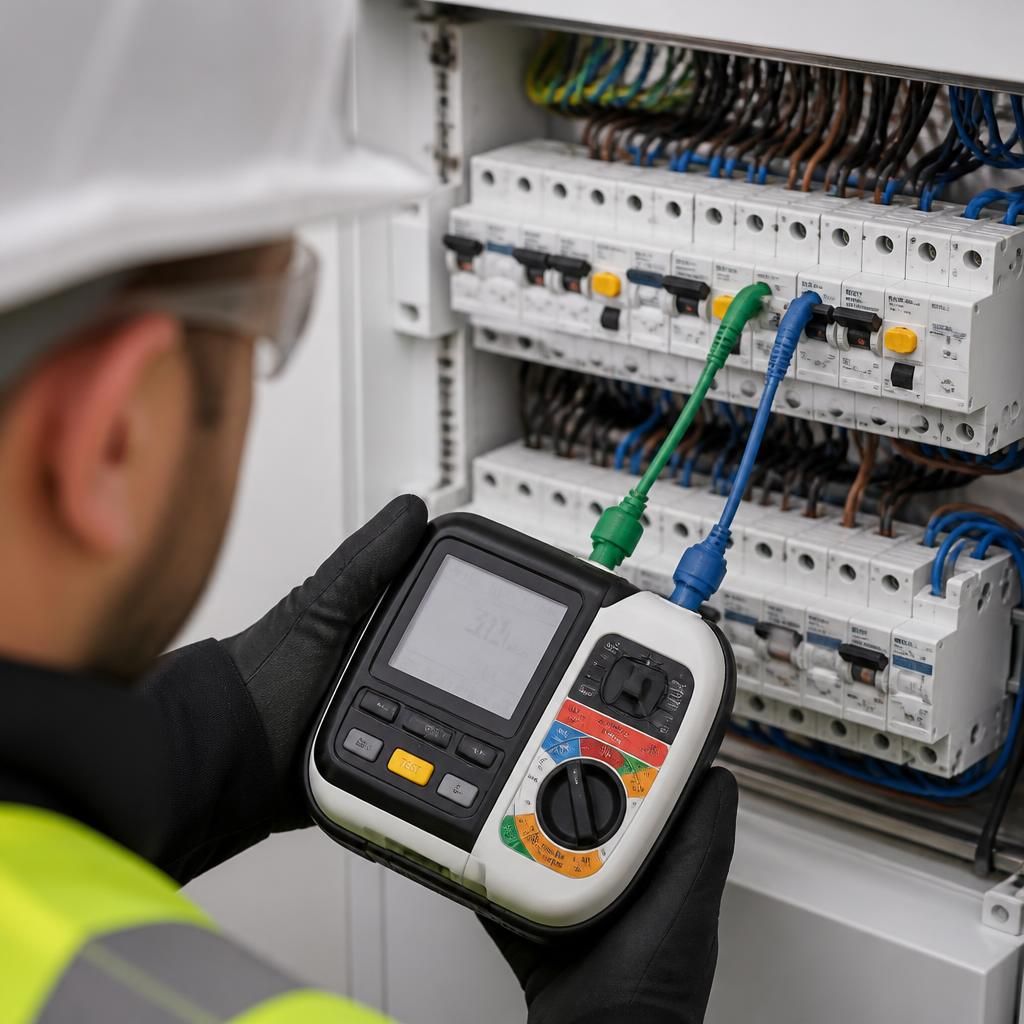
RCD testing is a controlled disconnection, so the protected supply may switch off while the device operates. Before testing, the inspector should identify equipment that could be affected, such as computers, security systems, refrigeration or other critical loads.
In commercial premises, this consideration is particularly important because an interruption may affect more than one work area or system. The inspection should record any relevant limitations, and equipment affected by the test should be checked after the supply is restored.
Arrange an RCD protection inspection
If you need an RCD protection inspection, contact RJW Electrical to discuss the installation and request a no-call-out-fee quote. The resulting report can provide a documented basis for any further investigation or remedial work.