
RJW Electrical
What should I prepare before domestic electrical installation work begins?
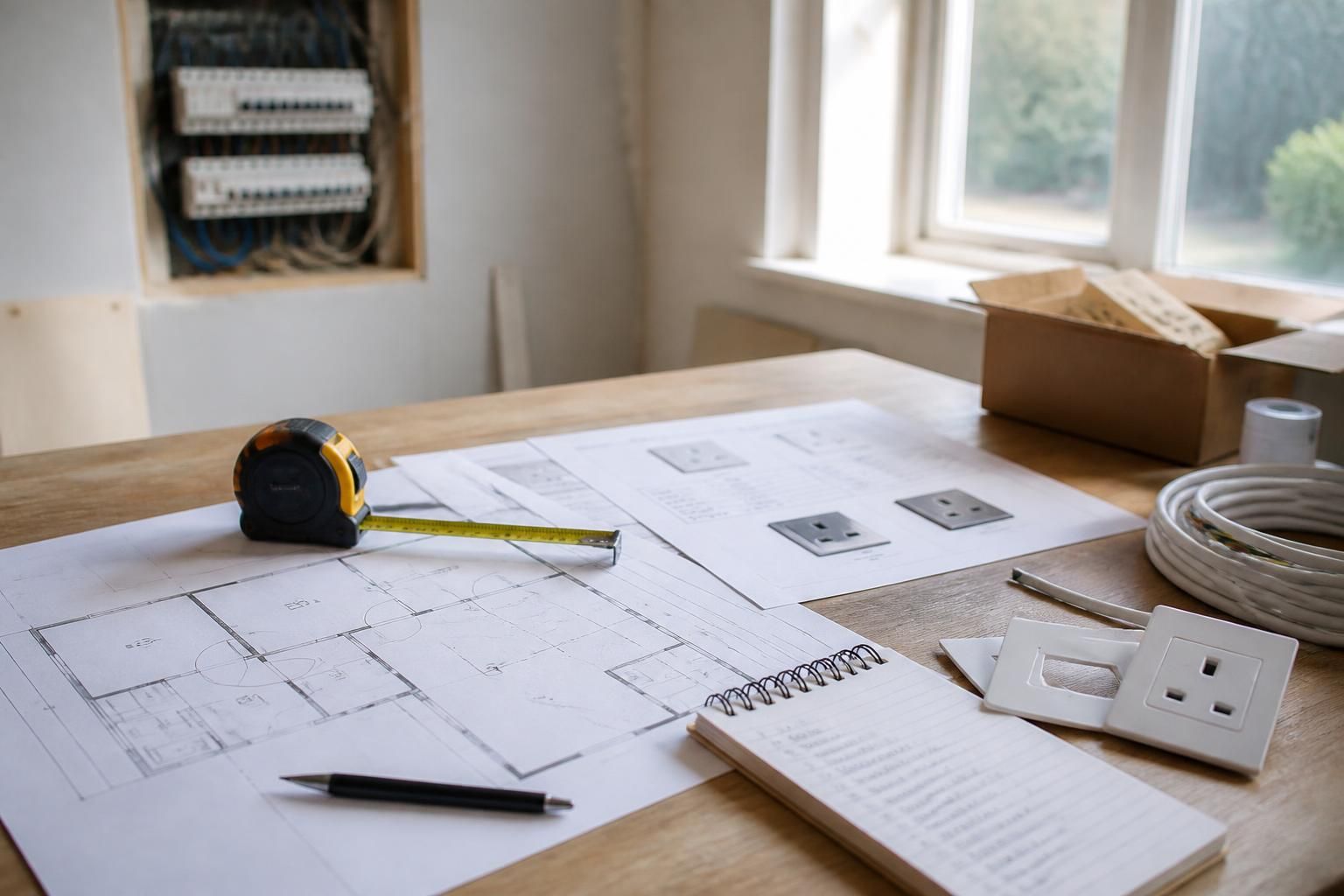
Before domestic electrical installation work begins, define what you want installed or altered and share any relevant plans, appliance details and access information with your electrician. Make work areas accessible, clear stored items from around existing electrical equipment, and identify any preferences for socket, switch, lighting or consumer unit locations.
Preparation for domestic electrical installation work means confirming the technical scope, arranging any required permissions, and making the property safe and workable for the installation. It also helps to settle how the work will affect decoration, household routines and existing electrical equipment before the first task begins.
Check whether approval or notification is required. Ask the electrician whether the proposed work falls under building regulations or requires notification to the relevant authority. This can depend on the type of installation, its location and whether it affects a special area such as a kitchen, bathroom or consumer unit. If you live in a leasehold property, rented accommodation or a managed development, check whether the landlord, freeholder or managing agent must approve the work as well.
- Keep any permission, landlord consent or building-control correspondence available.
- Confirm who is responsible for arranging notification where this applies.
- Check whether communal areas, shared supplies or fire-safety systems are affected in a flat or managed property.
Record relevant information about the existing installation. Gather previous electrical installation condition reports, certificates, consumer-unit schedules or details of earlier alterations if you have them. These records can help the electrician understand the age and arrangement of the wiring, although they do not replace inspection and testing. Point out known issues such as tripping circuits, damaged accessories, unexplained switches or areas where power has previously failed.
Tell the electrician about anything that could affect the method of work, including suspected asbestos-containing materials, fragile finishes, concealed pipes, underfloor heating, solar equipment, battery storage or other services hidden in walls, floors or ceilings. Do not ask anyone to drill, cut or remove material where the construction is uncertain; the method should be agreed first.
Agree practical arrangements for isolation and safety. Electrical work may require circuits or the whole supply to be switched off for testing and connection. Before work starts, identify essential equipment that should not be disconnected without planning, such as medical equipment, refrigeration, security systems or communications equipment. Ask how temporary isolation will be managed and whether any clocks, controls or connected devices may need resetting afterwards.
Keep children, pets and anyone vulnerable to dust, noise or temporary loss of power away from the working area. Do not use an installation that has been opened, isolated or labelled for work, and do not move protective covers or barriers unless the electrician tells you it is safe to do so.
Settle the finish and making-good arrangements. Electrical installation can involve chasing walls, lifting floor coverings, drilling through joinery or removing sections of ceiling. Agree in advance:
- which surfaces may be disturbed;
- whether cables will be concealed, surface-mounted or routed through another accessible route;
- who will remove and refit fixed items such as cupboards, mirrors or shelving;
- what level of filling, patching or making good is included; and
- which painting, plastering, flooring or decorating work remains the homeowner’s responsibility.
This is particularly important where new points are being added to finished rooms. The neatest electrical route is not always the least disruptive, so discuss acceptable alternatives before installation begins rather than after a wall or ceiling has been opened.
Prepare decisions that affect the installation method. In addition to the locations already identified, consider how the electrical system will be used in practice. Note which controls should operate together, whether lighting needs separate switching, and whether future equipment may require spare capacity or dedicated circuits. For larger alterations, ask whether the existing consumer unit, earthing and bonding arrangements are suitable for the proposed additions. The electrician should assess this rather than relying on the age or appearance of the equipment.
Have product information available for any items that form part of the installation, including technical instructions, connection requirements and mounting details. This is useful for appliances, heating controls, ventilation equipment, electric showers, garden equipment and other fixed loads. If a product has not yet been selected, agree the electrical requirements before purchasing it.
Confirm the quotation and working assumptions. Before authorising the work, check that the quotation or written scope identifies the installation tasks, materials, testing, exclusions and any provisional items. Clarify how changes discovered during the work will be dealt with and whether additional remedial work requires separate approval. A clear written scope reduces misunderstandings where the condition of existing wiring cannot be confirmed until access is available.
Finally, ask what you should do if the electrician identifies unsafe wiring, damaged equipment or a need for additional protective measures. A competent installer should explain the finding, its significance and the available options before proceeding with work outside the agreed scope. Once the preparation is complete, keep the agreed scope and any permissions available so the installation can be checked against them as the project progresses.
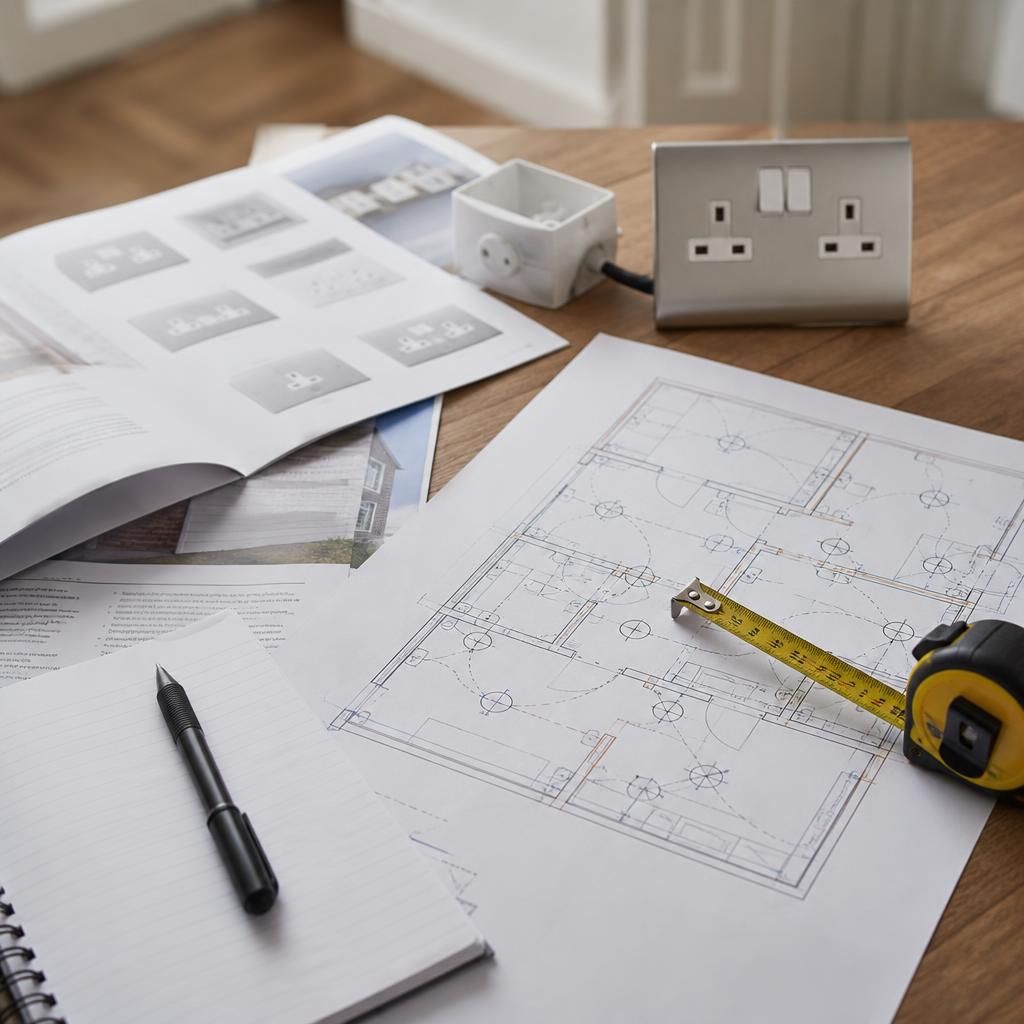
Make every relevant part of the electrical installation accessible for the initial assessment, not only the room where the new work is planned. This may include the meter position, consumer unit, main earthing and bonding points, loft or crawl-space routes, external walls and any outbuildings connected to the supply.
Before the electrician arrives, unlock gates or service cupboards and identify access panels, loft hatches and areas behind fixed furniture. If access is restricted, explain this in advance so the proposed route and installation method can be assessed accurately. Do not remove electrical covers yourself; equipment should be opened only by a suitably qualified person.
Discuss your domestic electrical installation plans
Contact RJW Electrical to discuss your proposed domestic electrical installation and clarify the scope, access requirements and preparation needed before work begins. Request a quote with no call-out fee and provide any plans, product details or existing electrical records you have available.