
RJW Electrical
What happens if an electrical issue is found during installation?
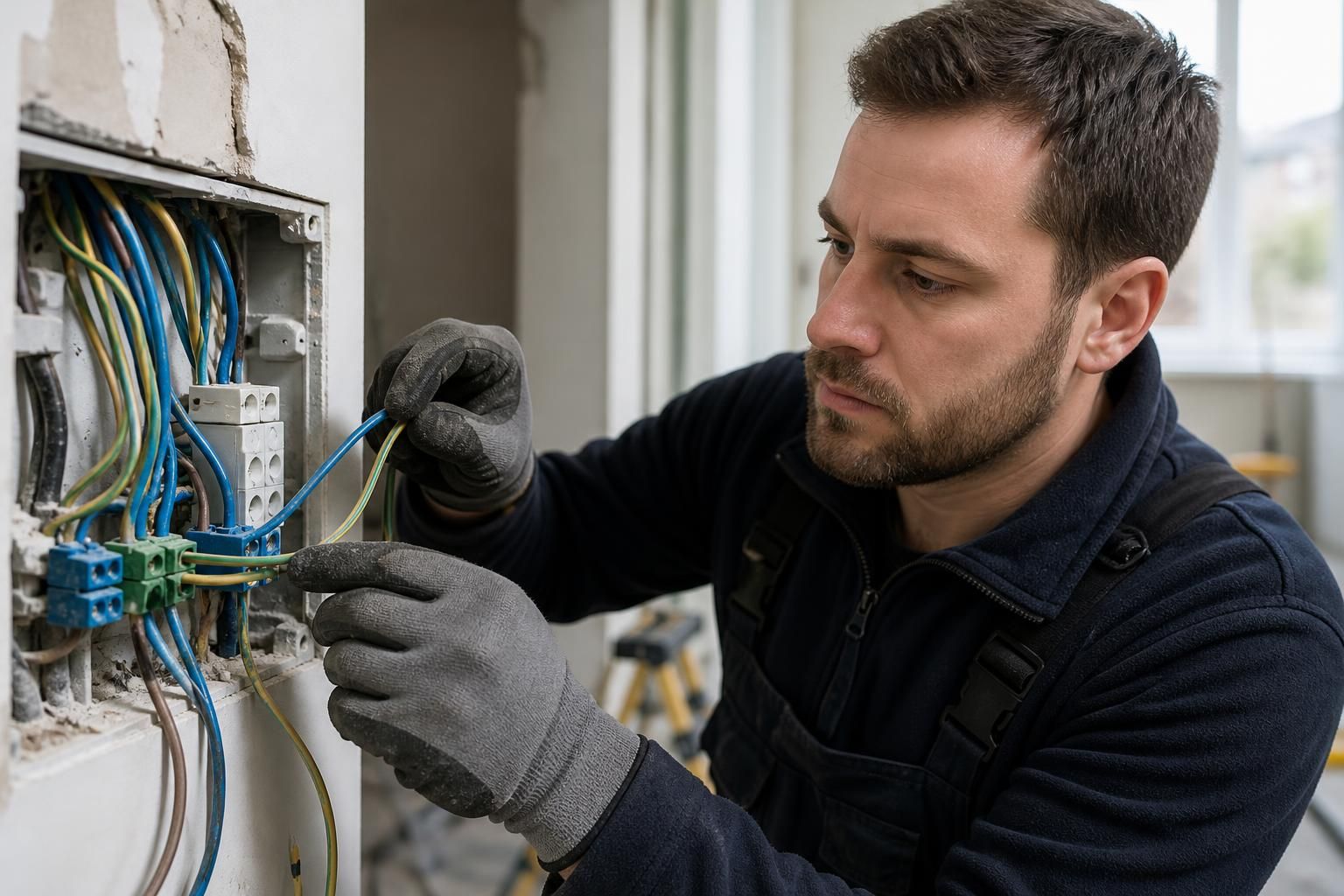
If an electrical issue is found during installation, the affected work is paused while the fault or non-compliant condition is assessed safely. RJW Electrical will explain what has been identified, recommend the appropriate remedial work, and confirm any implications for the installation before proceeding.
An electrical issue found during installation is dealt with as a safety and compliance matter before the new work is completed. The finding may relate to the existing wiring, the proposed installation, or the way the two systems connect. Its significance depends on the risk involved, the condition of the equipment and whether the installation can meet the requirements of the current wiring regulations.
Common findings include damaged cables, loose or overheated connections, inadequate earthing or bonding, circuits that are unsuitable for the intended load, missing protective devices, incorrect polarity, and wiring that has been altered without suitable protection. An older installation may also contain conditions that were acceptable when it was installed but do not provide the level of safety expected for the proposed work.
The electrician normally establishes:
- which circuit or component is affected;
- whether it presents an immediate danger or a potential future defect;
- whether the planned work can be separated from the existing problem safely;
- what remedial work is necessary to achieve a compliant installation; and
- whether further testing is needed before the installation can be completed.
Not every defect requires the whole electrical installation to be replaced. A localised problem may be resolved by repairing a connection, replacing damaged accessories, improving cable protection or correcting a circuit arrangement. More extensive work may be appropriate where the defect is widespread, the wiring is in poor condition, or the proposed installation would place demands on a circuit that it cannot safely support.
Where an immediate danger is identified, the affected circuit or equipment may need to remain isolated until suitable repairs are carried out. This can affect lights, sockets, appliances or other connected equipment. Isolation should not be reversed by the property owner or another contractor unless the electrician has confirmed that it is safe to do so.
Before remedial work is undertaken, the scope should be made clear. This includes the location of the defect, the proposed correction, any access or making-good requirements, and whether the additional work changes the original installation plan. If more than one technically suitable option exists, the differences between a limited repair and a wider upgrade should be explained so that an informed decision can be made.
Additional work can affect the project cost and completion date because materials, access and testing requirements may change. A clear written quotation or variation should identify work that was not included in the original installation. This helps distinguish necessary electrical remedial work from optional improvements.
After the correction, the relevant circuits should be inspected and tested. Tests may include continuity, insulation resistance, polarity, earth fault loop impedance and operation of protective devices, where applicable to the work. The exact tests depend on the type and extent of the installation. The results provide evidence that the repaired or altered section is safe to energise and performs as intended.
The final paperwork should reflect what was actually installed and tested. Depending on the work, this may include an Electrical Installation Certificate, a Minor Electrical Installation Works Certificate, test results, schedules and information about any limitations or recommendations that remain. If an issue could not be corrected as part of the installation, it should be recorded rather than concealed, with its safety significance explained clearly.
It is important not to carry on with decorating, fitting equipment or closing up walls around an unresolved electrical defect. Concealing the problem can make later investigation more difficult and may leave unsafe wiring inaccessible. Retaining any report, quotation and electrical certificate also gives future owners, contractors and inspectors an accurate record of the installation.
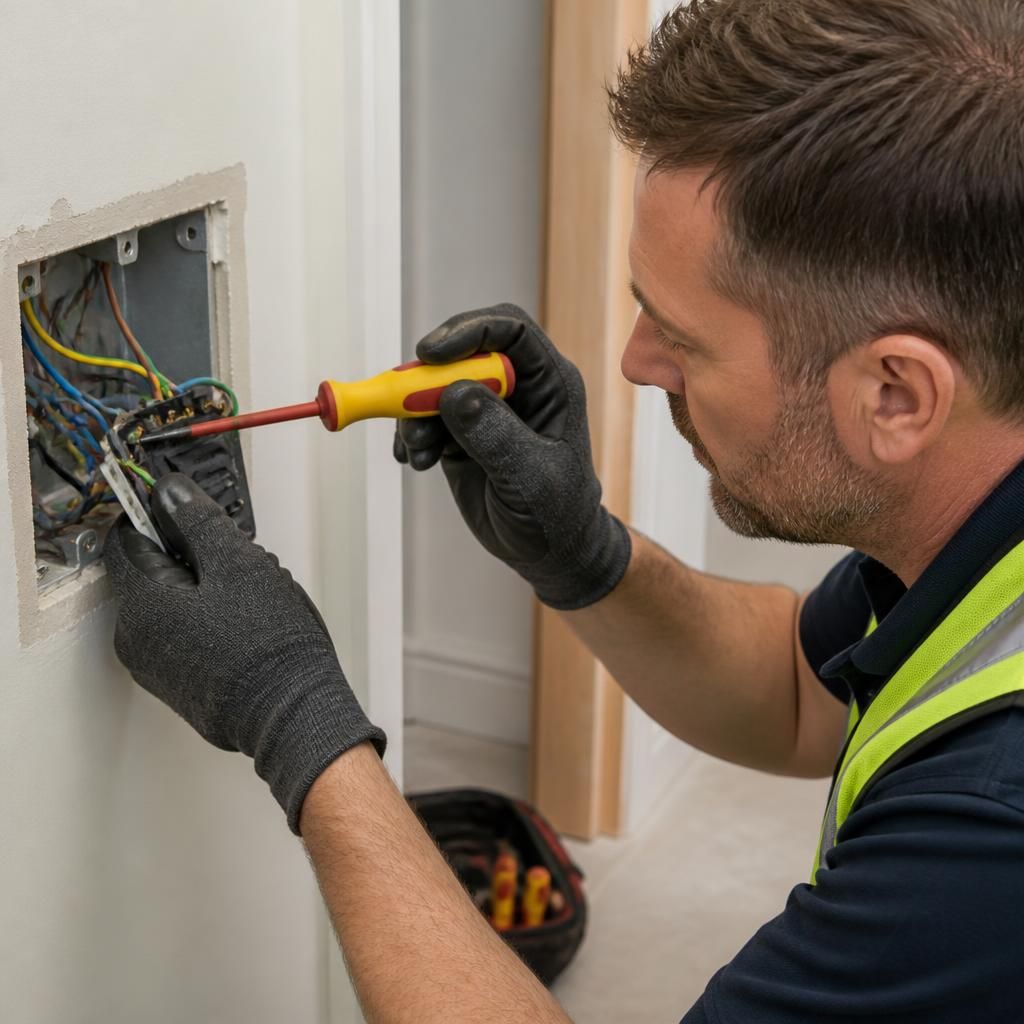
An electrical issue found during installation should be assessed to establish whether it originates from the new work, the existing installation, or the connection between the two. This distinction affects how the work is corrected and whether it falls within the original installation scope or requires a separate quotation.
Where the issue results from the new installation, the installer should explain the correction needed and check the work again before it is treated as complete. Where it is a pre-existing condition, the electrician can explain its relevance to the proposed installation and identify any work needed to make the planned alteration safe and suitable.
For a clear decision, ask for the following to be recorded:
- the location and nature of the issue;
- whether it affects the proposed installation directly;
- which correction is necessary before work can continue;
- whether any alternative approach is technically suitable; and
- how the finding will be reflected in the final electrical documentation.
Discuss an electrical issue found during installation
If an electrical issue has been identified during your installation, contact RJW Electrical to discuss the findings and the appropriate next step. Request a clear quotation for any remedial work before authorising changes to the original installation.