
RJW Electrical
When is a three-phase electrical installation required?
A three-phase electrical installation is required when a property has a high or varied electrical demand that would exceed the practical capacity of a single-phase supply. It is commonly used for commercial and industrial premises, large motors, lifts, heating systems, machinery and other equipment designed to operate across three phases.
A three-phase electrical installation is required when the calculated demand, the characteristics of the equipment, or the available capacity of a single-phase supply makes a three-phase arrangement necessary. The decision should be based on the property’s maximum expected load rather than its size alone, with the design considering how equipment will operate at the same time and how the load can be distributed between the phases.
Some equipment is designed specifically for a three-phase supply. This includes certain motors, compressors, pumps, lifts, commercial catering equipment, machine tools and process plant. Such equipment may require three-phase power to start correctly, maintain stable operation or deliver its intended output. Connecting it to a supply that does not match the manufacturer’s electrical requirements is not an acceptable substitute for a properly designed installation.
A three-phase supply may also be appropriate where several substantial loads operate together. Typical examples include premises with electric heating, ventilation and air-conditioning systems, refrigeration, workshop machinery, pumps or multiple charging points. A single-phase connection can become impractical when the combined demand creates excessive current on one phase, causes voltage drop or leaves insufficient capacity for future equipment.
The requirement is not limited to factories. Offices, retail units, warehouses, agricultural buildings, workshops, public buildings and larger domestic properties may need three-phase power if their electrical demand or equipment specification justifies it. Conversely, a commercial property does not automatically need a three-phase installation; a relatively modest load made up of ordinary single-phase circuits may be adequately served by a single-phase supply.
There are several signs that an existing single-phase arrangement should be assessed:
- New equipment is marked as requiring a three-phase supply.
- Planned loads would place too much demand on the existing service or distribution equipment.
- Motors or other heavy loads cause noticeable voltage fluctuation when starting.
- The installation has limited capacity for additional machinery, heating or charging equipment.
- Loads need to be separated and balanced across multiple phases for a more suitable distribution arrangement.
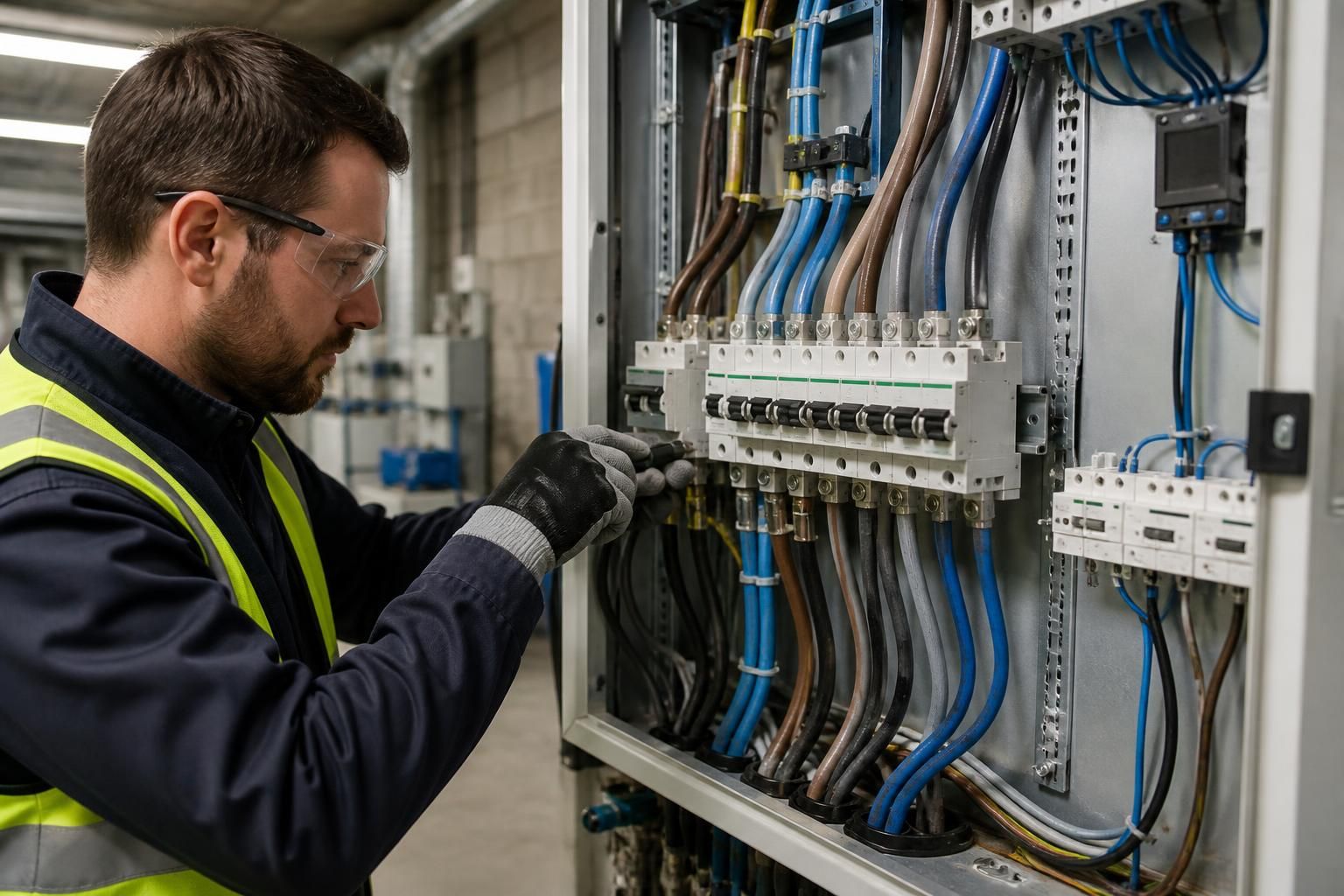
Changing to three-phase is not simply a matter of fitting a different meter. The incoming service, meter arrangement, main switchgear, distribution boards, cabling, protective devices, earthing and bonding must all be assessed. The design also needs to account for prospective fault current, discrimination between protective devices, cable installation conditions, voltage drop and the way loads are allocated across the phases.
Where a new or upgraded supply is needed, the electricity distribution network operator may need to assess the connection and available network capacity. The electrical contractor can establish the required load, prepare the installation design and identify whether changes to the incoming supply or service equipment are necessary. Equipment manufacturers’ connection requirements should also be checked before work begins.
Three-phase power can sometimes be added to an existing building, but the existing installation must be suitable for the proposed alteration. An inspection may identify older cabling, inadequate distribution equipment, insufficient earthing or other remedial work that needs to be addressed first. Once installed or altered, the system should be inspected and tested, with the appropriate electrical certification provided for the work carried out.
For a reliable decision, the assessment should include an inventory of existing and planned equipment, the rated power and starting characteristics of significant loads, expected operating patterns and any future expansion. RJW Electrical can use this information to determine whether three-phase is genuinely required, whether the existing supply can be adapted, and what installation work is needed to provide a safe and compliant solution.
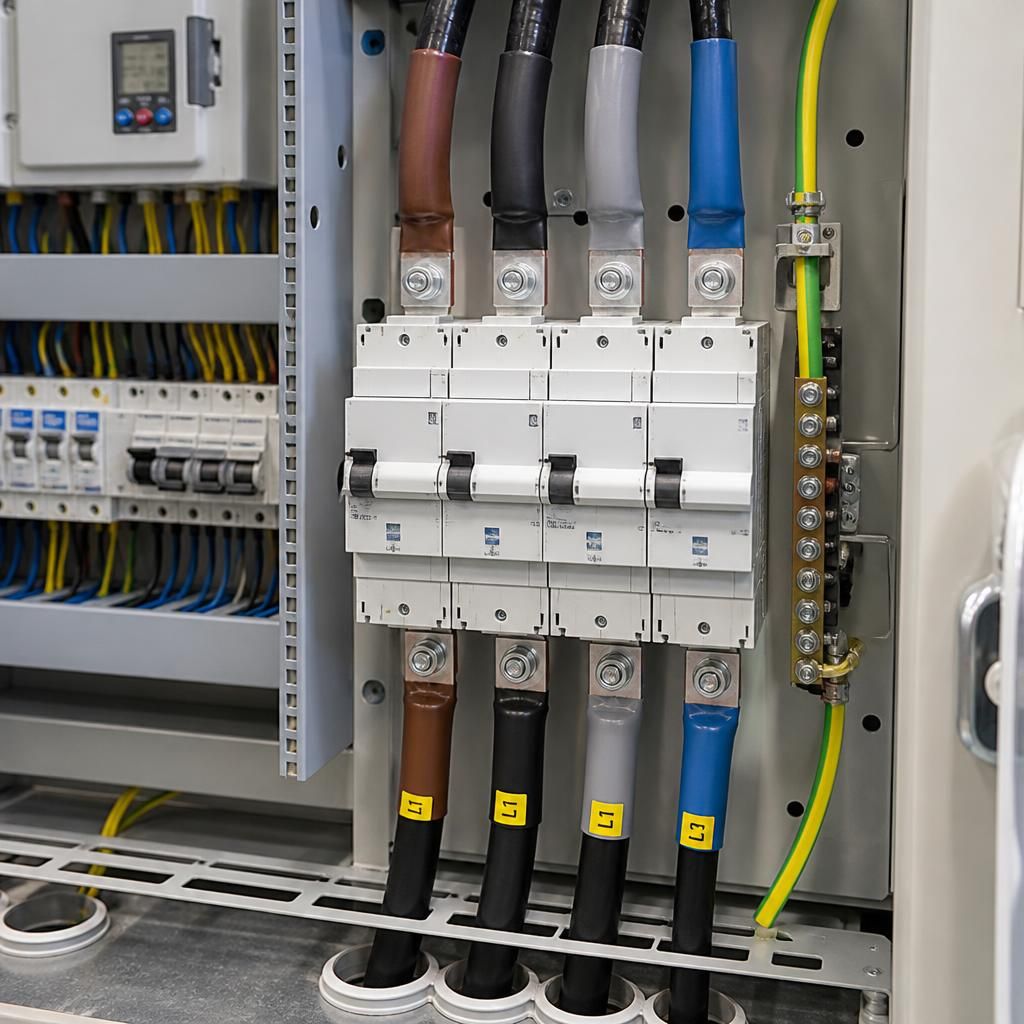
A three-phase electrical installation may be required where equipment depends on the relationship between phases as well as on the available power. This is particularly important for rotating machinery, because the phase sequence determines the direction in which a motor operates.
If the phases are connected in the wrong order, a motor-driven pump, fan, compressor or machine may rotate incorrectly, potentially affecting operation or causing damage. A correctly designed installation therefore includes checks of phase sequence, phase rotation and continuity during commissioning. These checks confirm that the supply is presented to the equipment in the arrangement intended by its design.
Three-phase systems also provide a more suitable arrangement where equipment must operate reliably under changing conditions. The installation should be assessed as a complete system rather than judged solely by the presence of a three-phase meter, with commissioning results recorded as part of the electrical certification.
Find out whether you need a three-phase electrical installation
Contact RJW Electrical to discuss your proposed equipment, existing supply and future requirements, and arrange a three-phase installation assessment with a clear quote at no call-out fee.