
RJW Electrical
What does an electrical fault-finding visit involve?
An electrical fault-finding visit begins with a discussion of the symptoms, followed by a visual inspection and appropriate electrical tests to trace the source of the problem. The engineer then explains the findings and identifies any repairs or further investigation needed to restore the installation safely.
An electrical fault-finding visit is a structured diagnostic assessment used to identify where an electrical problem originates, establish whether it presents an immediate safety risk, and determine the appropriate corrective action. The fault may be within an appliance, accessory, cable, connection, protective device or the wider electrical installation, so the engineer works methodically rather than replacing parts without establishing the cause.
The visit usually starts with the available information. Useful details include which circuits or appliances are affected, what happens when the fault occurs, whether a fuse or circuit-breaker operates, and whether the problem is constant or intermittent. Details such as recent alterations, water ingress, damage, unusual smells, heat, buzzing or repeated tripping can help narrow the investigation. If the issue is intermittent, a record of the time, conditions and equipment in use may be particularly helpful.
Safety is considered before diagnostic work begins. The engineer assesses whether the affected circuit can remain energised and whether it needs to be isolated. Safe isolation prevents accidental contact with live parts while checks are carried out. Where a fault could create a risk of electric shock, overheating or fire, the priority is to make the installation safe before considering permanent remedial work.
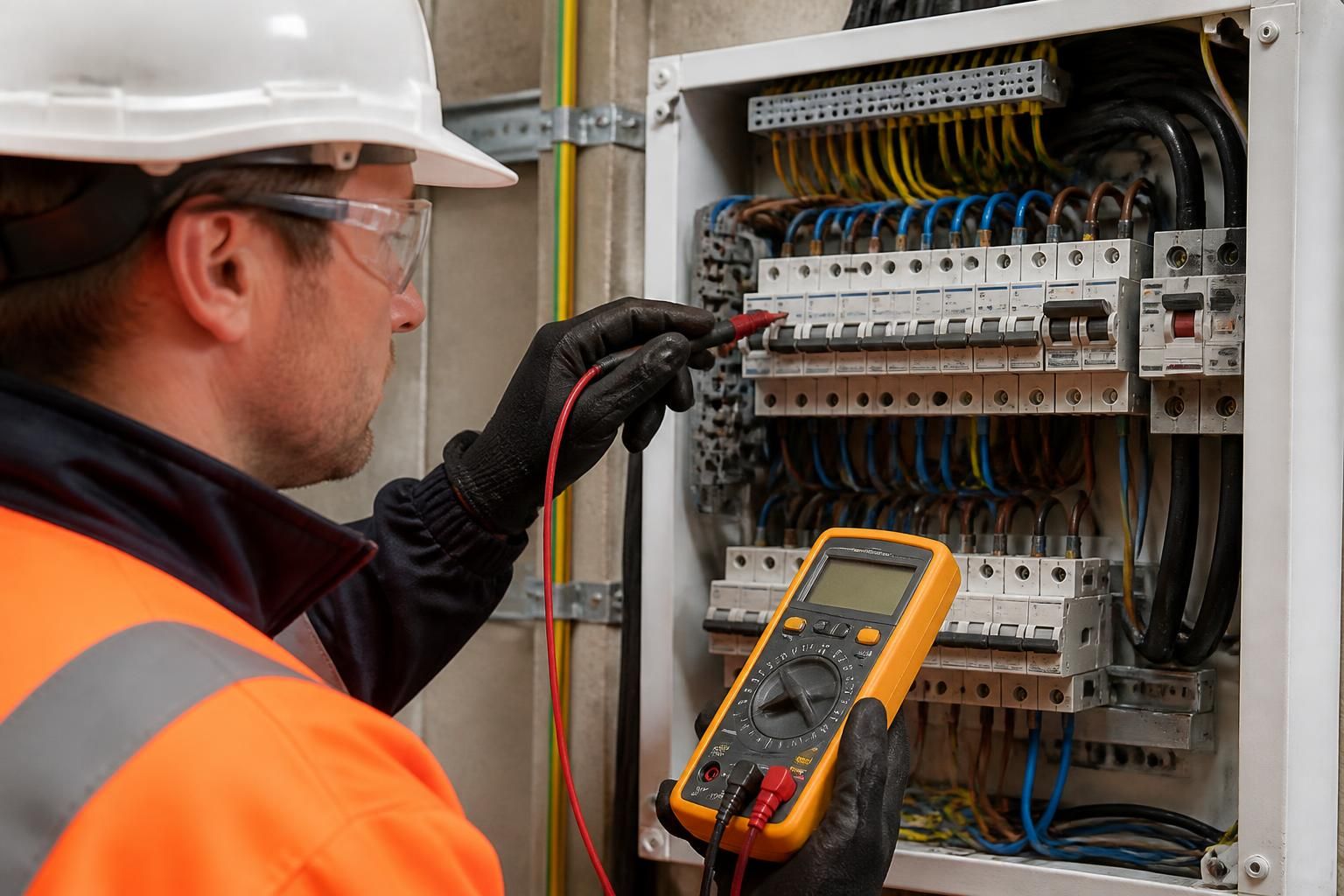
The investigation may involve separating the installation into sections and checking the relationship between the reported symptom and individual circuits or items of equipment. Depending on the circumstances, an engineer may use electrical test instruments to assess matters such as:
- continuity of protective conductors and circuit conductors;
- insulation resistance, which can indicate unwanted leakage between conductors or to earth;
- polarity and the correct arrangement of connections;
- earth fault loop impedance and the effectiveness of the fault-protection path;
- operation of residual current devices and other protective equipment; and
- voltage conditions where an unstable or missing supply is suspected.
These checks help distinguish between different causes that can produce similar symptoms. For example, repeated tripping may result from a defective appliance, an insulation fault, excessive demand on a circuit, a damaged cable or a problem with protective equipment. A dead socket may be caused by a local connection, a damaged accessory, a disconnected circuit or an upstream protective device. The correct repair depends on identifying which of these conditions is present.
Access can affect the scope of the visit. The engineer may need access to the consumer unit, affected sockets, switches, fixed equipment, distribution boards or other relevant parts of the installation. Some circuits or equipment may need to be switched off during testing, which can temporarily interrupt supplies to connected areas. Concealed cables, inaccessible equipment or a fault that is not present during the visit may limit what can be confirmed without further investigation.
Once the likely cause has been established, the findings should be explained in practical terms. The outcome may be a straightforward repair, replacement of a defective accessory or protective device, remedial work to wiring or connections, or a recommendation for additional investigation. If the fault is associated with a separate appliance or piece of equipment, the electrical installation and the equipment should be considered separately so that responsibility for the remedy is clear.
Where remedial work is authorised, the affected circuit should be checked again after the repair. This confirms that the original defect has been addressed and helps identify whether any related issue remains. The engineer can then explain what was found, what work was completed, any parts of the installation that could not be conclusively assessed, and whether further inspection or testing is advisable.
A useful fault-finding report should record the reported symptoms, the circuits or equipment investigated, relevant test results, the identified cause where this can be confirmed, work carried out and recommendations. Keeping this information provides a reference if the problem returns and helps another engineer understand the installation's diagnostic history. RJW Electrical provides fault diagnosis and electrical maintenance support for domestic and commercial installations across the Midlands, with quotations provided without a call-out fee.
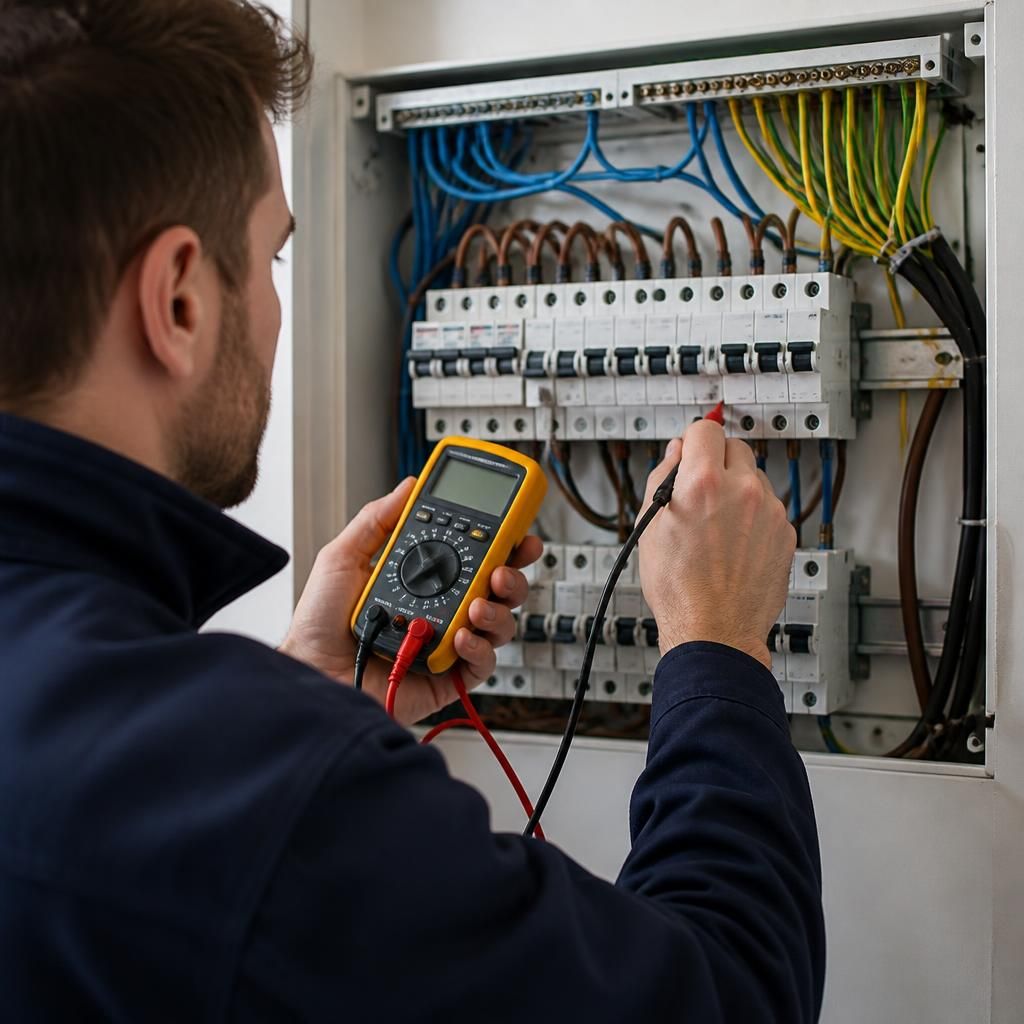
Before an electrical fault-finding visit, preserve the symptoms safely rather than trying to investigate the installation yourself. If a circuit-breaker or residual current device has operated, avoid repeatedly resetting it, particularly if there is burning, heat, buzzing, water ingress or a burning smell. Do not remove accessory or consumer-unit covers, alter connections or carry out tests on live equipment.
Make a note of what happened before the fault occurred, including any appliance being used, unusual sounds or smells, and whether other parts of the installation were affected. This information can help the engineer compare the reported symptom with the test results and avoid disturbing evidence that may help identify the cause.
Discuss your electrical fault-finding requirements
Discuss your electrical fault-finding requirements with RJW Electrical so the symptoms, access needs and appropriate next steps can be considered before any investigation begins.