
RJW Electrical
What happens if testing identifies an issue during an electrical installation?
If electrical installation testing identifies an issue, the fault or non-compliance is recorded and its potential safety implications explained. The appropriate corrective work is then agreed, completed by a qualified electrician and followed by further testing to confirm the installation meets the required standard.
An issue found during electrical installation testing means the affected part of the work must be assessed before it can be accepted as compliant. The electrician determines whether the result indicates an immediate safety risk, a wiring fault, an installation defect or a departure from the design or current requirements.
Typical findings include:
- poor or incomplete connections at accessories, terminals or distribution equipment;
- incorrect cable identification, polarity or circuit connections;
- insufficient continuity in protective conductors;
- low insulation resistance, which may indicate damaged cable or unwanted contact between conductors;
- inadequate earthing or bonding;
- faulty protective devices or equipment that does not operate as intended; and
- work that differs from the agreed design or has not been installed in accordance with the latest applicable requirements.
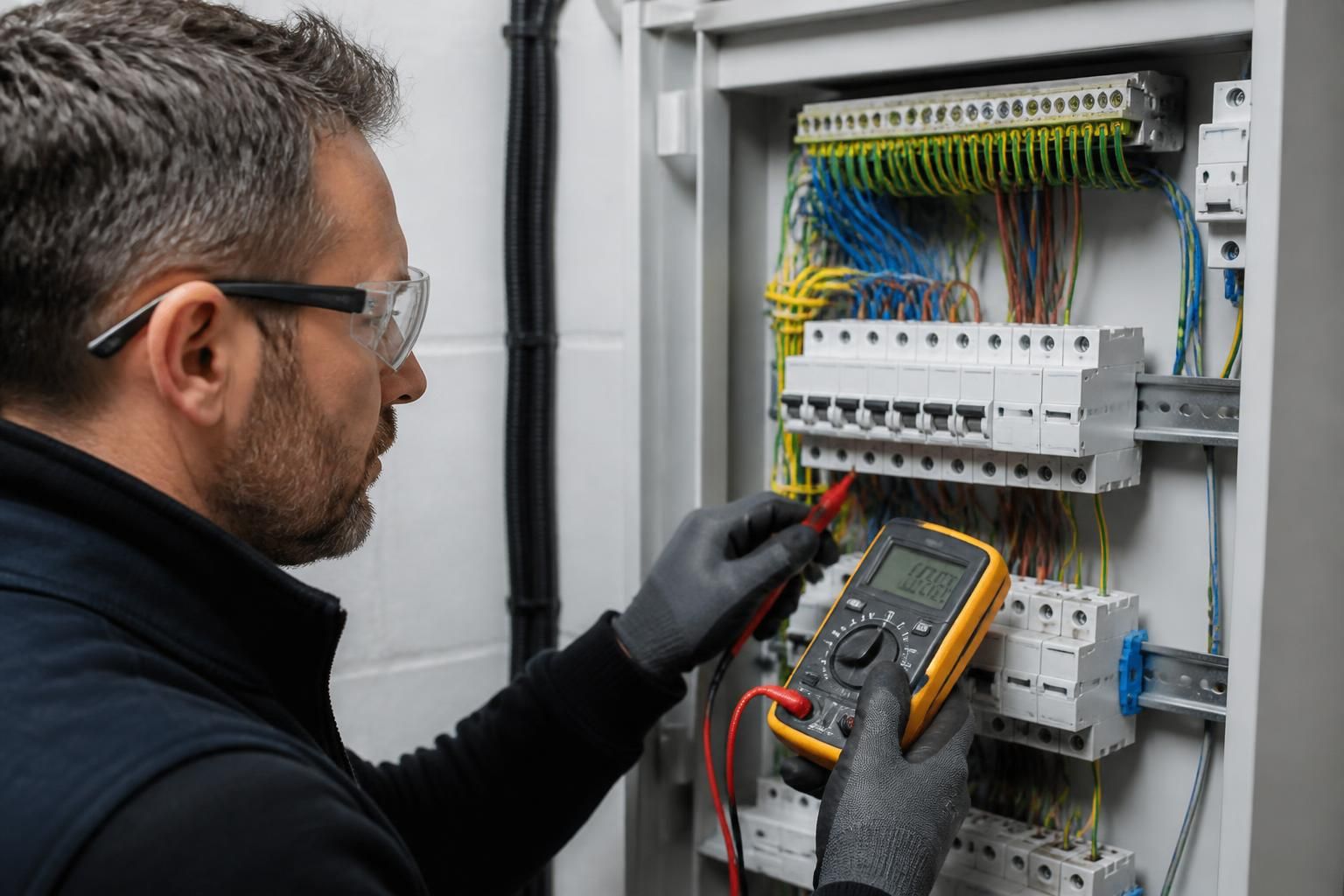
The test result is considered alongside a visual inspection. A failed reading does not always identify the exact cause on its own, so the electrician may divide the circuit into sections, inspect connections, check accessories and carry out additional diagnostic tests. This helps distinguish a single defective component from a wider installation problem and avoids replacing suitable equipment unnecessarily.
Where there is an immediate danger, the affected circuit or equipment may need to be isolated until it has been made safe. Any decision to isolate part of an installation should take account of the consequences for essential services, such as lighting, heating, alarms or business equipment. The reason for the isolation and any restrictions on use should be explained clearly to the person responsible for the premises.
For less urgent findings, the electrician will normally explain the cause, the safety or compliance implication and the available corrective work. The solution might involve remaking a connection, replacing damaged cable or equipment, correcting a circuit arrangement, improving earthing or bonding, or altering work that does not match the approved design. If the proposed change affects other trades, finishes or the intended use of the space, it should be agreed before work proceeds.
Once corrective work is complete, the relevant tests are repeated rather than relying on the original result. Further inspection may also be needed to confirm that the repair has not introduced another defect. The installation can then be assessed as a whole, including any work carried out by others where it forms part of the same electrical system.
Records should show:
- the circuit or equipment affected;
- the nature of the original finding;
- the corrective work completed;
- any limitations, remaining recommendations or areas not included in the inspection; and
- the results of the subsequent testing.
These records provide a useful reference for the building owner, facilities manager or future electrician. They also help demonstrate what was tested and whether outstanding items remain. For a new installation or alteration, the appropriate electrical installation documentation should only be completed on the basis of the work actually inspected, tested and verified.
If testing identifies an issue in an existing installation that is being connected to new work, the existing defect should not simply be concealed by the alteration. Its relevance to the safety of the complete installation should be assessed, with any necessary limitation or remedial recommendation documented separately.
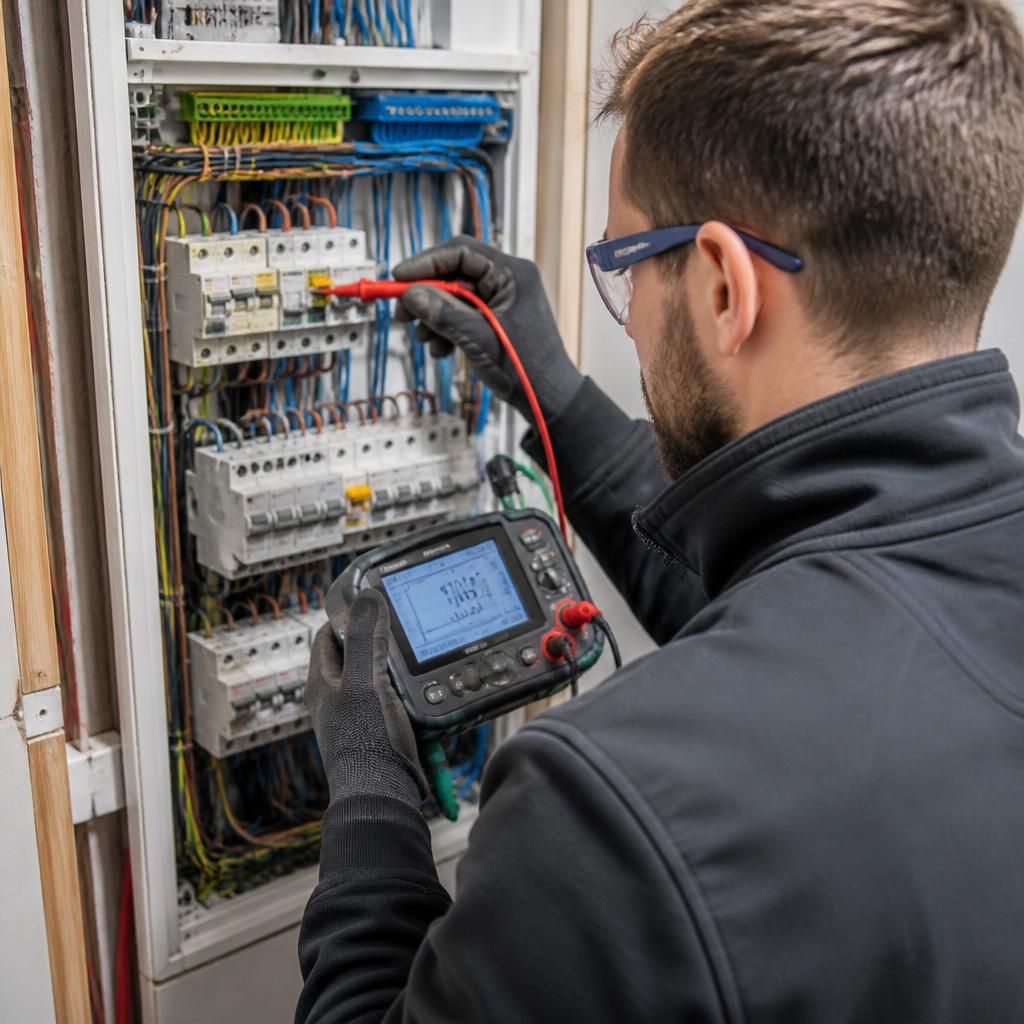
An unexpected test result does not automatically mean that the entire installation must be replaced. Before deciding on remedial work, the electrician should confirm that the test was suitable for the circuit and that connected equipment, temporary supplies or parallel paths have not affected the reading. This helps separate a genuine installation defect from a result influenced by the way the circuit was configured during testing.
That distinction matters when deciding the appropriate next step. A localised fault may require attention to one connection or accessory, while a result affecting several circuits may indicate a wider issue with the design or installation method. The findings should therefore be explained in terms of the affected part of the system, the evidence supporting the conclusion and what must be done before the installation can be accepted.
Need help after testing identifies an issue?
If an electrical installation test has identified an issue, contact RJW Electrical Ltd to discuss the findings and request a no call out fee quote for any necessary remedial work.