
RJW Electrical
How can businesses verify a commercial electrician’s qualifications?
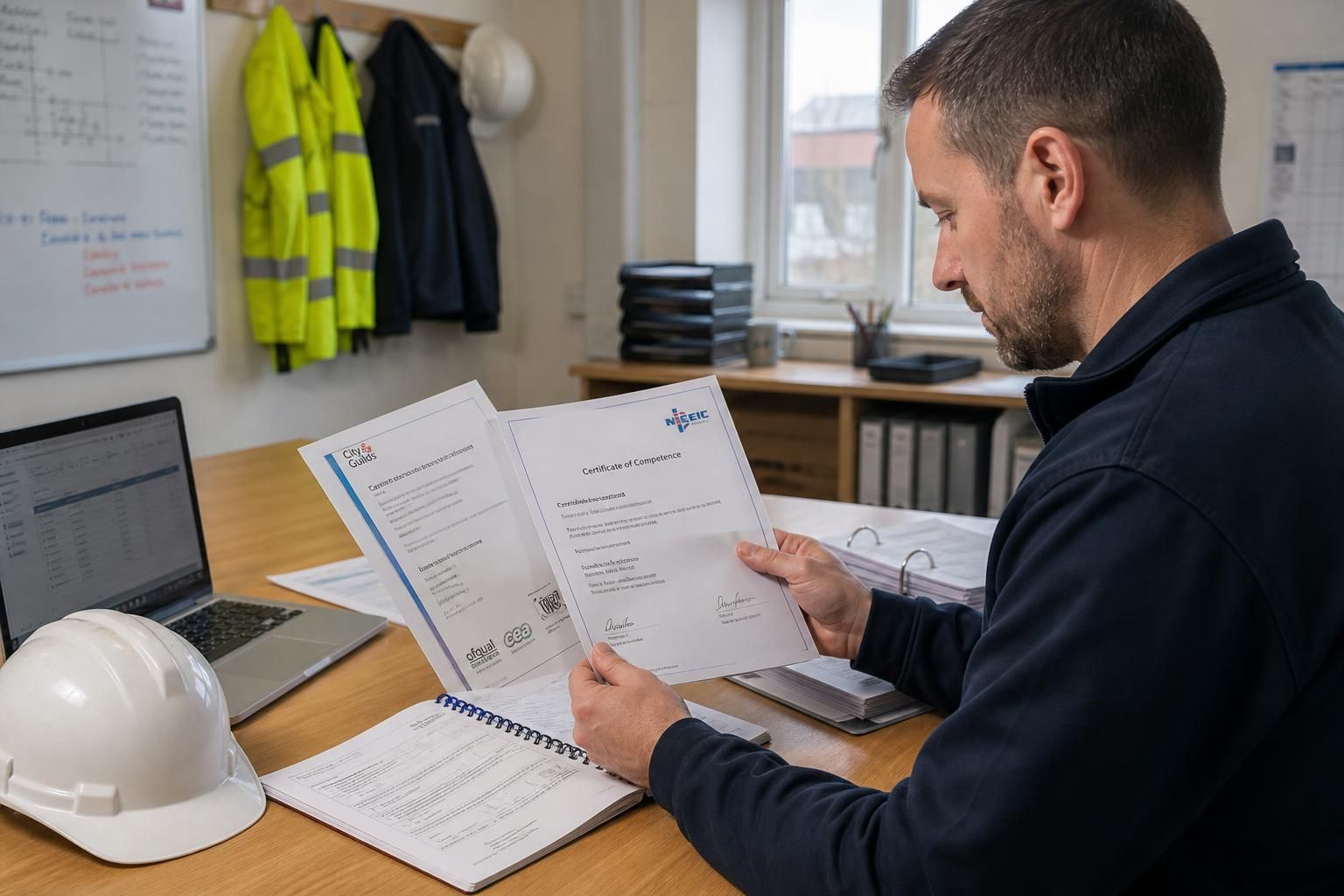
Businesses can verify a commercial electrician’s qualifications by checking their certificates, relevant experience, insurance, professional registrations and ability to work to current wiring regulations. Before appointing a contractor, request clear evidence and confirm that the electrician’s skills match the installation, testing or maintenance work required.
Businesses should verify a commercial electrician by matching documented competence to the precise work required, checking that the named people and company can undertake their assigned responsibilities, and reviewing the quality of the records they produce. A general electrical qualification may not, by itself, demonstrate suitability for every commercial environment or task.
Begin by defining the proposed scope in practical terms. Installation, alteration, fault finding, periodic inspection, emergency lighting, fire and security systems, and electric vehicle charging can require different knowledge and experience. Ask the contractor to identify which members of the team will carry out, supervise and certify each part of the work. This helps distinguish the competence of the individual attending site from the wider capabilities claimed by the business.
Evidence should be specific rather than limited to a logo, general statement or verbal assurance. A useful review can include:
- the full name and role of each person responsible for the work;
- the relevant qualification or training record for the proposed duties;
- evidence of experience with similar commercial premises, systems and levels of complexity;
- details of who will supervise apprentices, trainees or subcontractors;
- sample inspection, testing or handover documents with sensitive client information removed;
- the proposed method of working, including arrangements for isolation, access and coordination with other trades; and
- the process for dealing with design changes, defects and variations.
Check the documents themselves for consistency. Names should match the people being proposed, descriptions should relate to the work, and dates or renewal requirements should not have been overlooked. Where a qualification or registration is issued by a recognised body, verify it through that organisation’s own records rather than relying solely on a copy supplied by the contractor. A business should also confirm that any approval applies to the relevant activity, since a general membership or registration does not automatically demonstrate competence in every specialist system.
Commercial experience is best assessed through evidence of completed work rather than the age of a company alone. Ask for examples comparable in size, occupancy, operating conditions and technical requirements. Suitable references should be able to comment on communication, coordination, documentation, workmanship and the handling of defects. For a sensitive or operational site, establish whether the contractor understands permit-to-work arrangements, restricted access, shutdown planning and the need to protect business continuity.
Testing capability deserves separate attention. Ask what instruments will be used, how their condition is controlled and how results will be recorded. A competent contractor should be able to explain how inspection findings are assessed, how unsatisfactory results are reported and what information will be supplied at handover. The final file may need to include schedules, test results, drawings, equipment information, certificates and records of remedial work, depending on the project.
It is also sensible to distinguish between design responsibility and installation responsibility. The quotation or appointment should state who is producing the design, who is checking it, who is installing the system and who is confirming that the completed work meets the agreed requirements. If the contractor is relying on information supplied by a client, landlord or consultant, those assumptions should be recorded before work starts.
Before appointment, compare the evidence with the quotation and contract. The named scope, exclusions, testing arrangements, documentation, supervision and use of subcontractors should be clear. An unusually low quotation may omit essential design work, testing, access arrangements or handover records, so price should not be used as the main measure of competence.
A suitable final check is to ask how the contractor would deal with an unexpected defect or a change to the original scope. The response should explain how the issue will be assessed, documented, priced where necessary and approved before extra work proceeds. Clear answers, consistent records and a defined chain of responsibility provide stronger evidence than broad claims about capability.
For a Midlands business appointing an electrical contractor, this process creates an auditable basis for selection. It supports safer procurement, clarifies responsibilities and makes it easier to demonstrate that the chosen electrician was assessed against the actual demands of the commercial project.

Insurance documents are a separate part of verifying a commercial electrician’s suitability. They do not prove technical competence, but they show whether the contractor has considered the risks associated with the proposed work and has arranged cover in the correct business name.
Before appointment, check that the policy details correspond with the contracting entity and that the activities described include the work being procured. The policy schedule should be current and consistent with the quotation, contract and use of subcontractors. Where the project involves design advice, specialist systems or work in an occupied building, ask the contractor to explain how those activities are addressed by the relevant cover.
- Confirm the insured company or individual is the same party named in the quotation.
- Check the policy dates and whether renewal evidence will be supplied before work starts.
- Ask whether subcontracted work is included or separately insured.
- Keep copies of the documents with the tender or procurement record.
This check should sit alongside qualification and registration checks rather than replace them. A well-organised contractor should be able to provide consistent evidence without asking the client to infer coverage from a general statement or logo.
Discuss Your Commercial Electrician Requirements
Contact RJW Electrical Ltd to discuss your commercial electrical requirements and request a no-call-out-fee quote based on the work involved.