
RJW Electrical
How long does a commercial electrical project usually take?
A commercial electrical project can take from a few days for a defined installation to several weeks or longer for a complex refurbishment or new-build scheme. The timescale depends on the project scope, design and approvals, site access, coordination with other trades, material availability, and the testing and certification required before handover.
The duration of a commercial electrical project is determined by the amount and complexity of work, rather than by the number of electrical points alone. A small alteration may be completed within a short programme, while a refurbishment, new installation or phased upgrade requires coordinated design, procurement, installation, testing and handover.
A typical commercial project follows these stages:
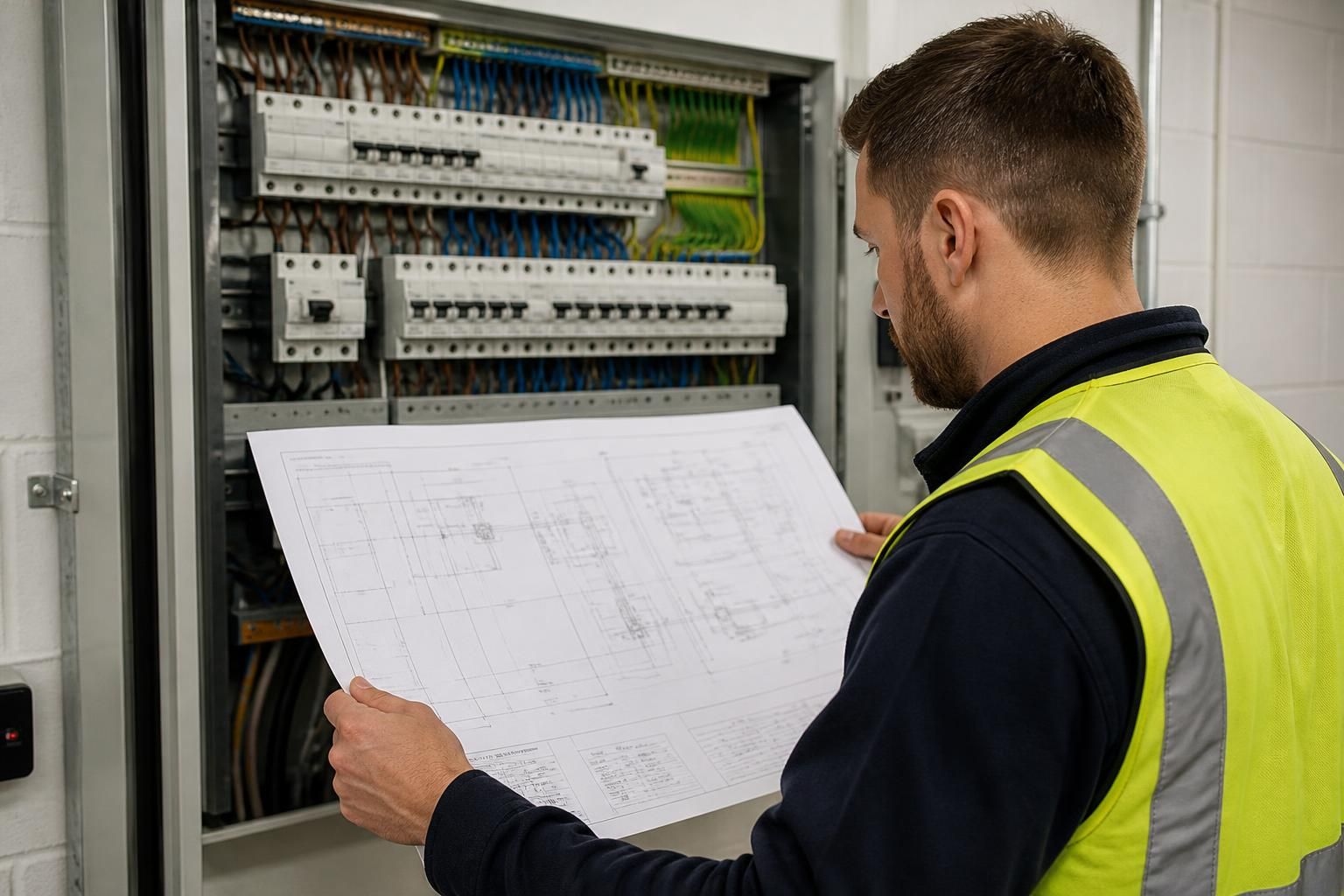
- Initial survey and scope review: The electrician assesses the existing installation, electrical capacity, distribution equipment, access arrangements and the proposed use of the premises. Identifying unknowns at this stage helps prevent changes to the programme later.
- Design and specification: Larger schemes may require circuit schedules, distribution-board arrangements, lighting layouts, emergency lighting provisions, power requirements and information for other contractors. The level of design work depends on the building and the project brief.
- Approvals and coordination: Work may need to be coordinated with the principal contractor, building owner, facilities team, landlord or other trades. The electrical programme can be affected if drawings, permissions, shutdown arrangements or construction phases are not confirmed.
- Materials and equipment: The specification may include switchgear, cable, containment, lighting equipment, access systems or electric vehicle charging infrastructure. The installation date should be based on confirmed material availability, not only on the date of the initial quotation.
- Installation: The work may involve first-fix cabling and containment, installation of accessories and equipment, connection of distribution boards, lighting, power, data-related containment or security systems. Working in an occupied premises can require sections of work to be isolated and completed in a controlled sequence.
- Testing and handover: Every completed circuit and relevant item of equipment must be inspected and tested. Defects or incomplete work identified during testing need to be corrected before certification and handover documents can be issued.
Project type makes a significant difference. A straightforward installation in an accessible, empty area is generally easier to programme than work within an operating office, retail unit, warehouse or shared building. A new commercial fit-out may be delivered alongside partitions, ceilings, mechanical services and data installations, so the electrical work is often split into phases. An upgrade to an existing installation can also take longer if outdated equipment, restricted cable routes, asbestos-related controls or inadequate capacity are discovered.
The building’s existing electrical infrastructure is another important factor. The available supply, condition of the incoming equipment, spare capacity in distribution boards and suitability of earthing and bonding arrangements all need to be considered. If the proposed load exceeds the existing capacity, the project may require additional design, liaison with the relevant network operator or changes to the planned installation.
Site readiness has a direct effect on the programme. Clear access, safe working areas, agreed isolation points, suitable storage and completed preparatory building work allow the electrician to progress efficiently. Conversely, inaccessible risers, unfinished ceilings, occupied rooms or changes to the layout can create gaps between installation activities.
Businesses should also allow time for commissioning and documentation. The handover pack may include electrical installation certificates, schedules of test results, distribution-board information, emergency lighting records, operating instructions and details of any limitations or recommendations. These records are part of completing the project, not an optional administrative step after the physical work.
For planning purposes, ask the contractor to separate the programme into survey, design, procurement, installation, testing and handover activities. Confirm which tasks depend on other trades, who will provide access and isolations, how work will be phased around the premises, and what information is required before certification. This produces a more realistic programme than allowing time only for the visible installation work.
RJW Electrical can assess the proposed scope, existing installation and site constraints before providing a quotation and project plan. For commercial work, a properly defined scope and an agreed sequence are the best way to establish a dependable timescale without treating an initial estimate as a fixed completion date.
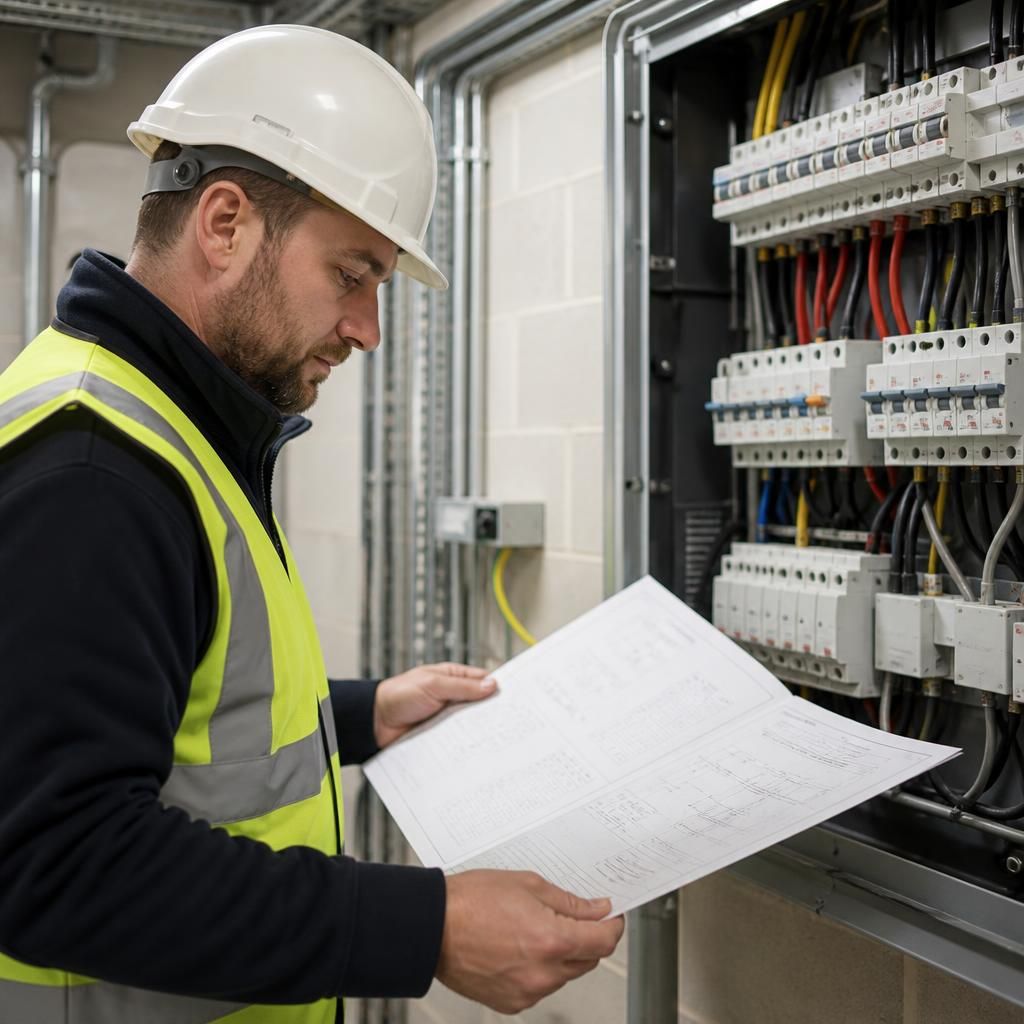
A commercial electrical project’s on-site working time is not always the same as its total calendar duration. A contractor may need only a limited number of installation days, while the overall programme extends because work can take place only after other activities or access arrangements are completed.
When reviewing a proposed timescale, check whether it describes the electrician’s attendance or the full period from approval to handover. A clear programme should identify any assumptions about access, completed ceilings or partitions, equipment availability, shutdowns and information from other contractors. It should also show whether testing, remedial work and certification are included rather than treating them as separate tasks.
This distinction helps businesses compare quotations accurately. A shorter stated duration may simply exclude preparation, waiting periods or completion documentation. Asking what is included in the elapsed programme gives a more useful basis for planning staff, premises and other contractors around the electrical work.
Discuss your commercial electrical project timescale
Contact RJW Electrical to discuss your commercial project scope, site constraints and required completion stages. The team can review the available information and prepare a quotation based on the work involved.